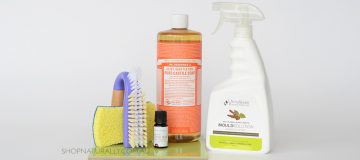
There are two types of formulas in our natural cleaning range that are formulated to clean mould. The first one is using clove oil which you can get in a pre-made spray from Vrindavan or you can buy the clove essential oil and make your own. Please use these clove based sprays in a well ventilated area as they can cause irritation to the airways if used in confined spaces.
The second type is using oxygen, and more specifically, hydrogen peroxide. They are chlorine free and effective at killing mould and removing some of the dark stain associated with mould. The sprays from Simply Clean and Abode are both based on hydrogen peroxide. There’s no harmful residue and they are non-corrosive and safe to use on most surfaces excluding unsealed timber, copper, brass, marble, fabric and anything that’s likely to fade.
+Read More
There are two types of formulas in our natural cleaning range that are formulated to clean mould. The first one is using clove oil which you can get in a pre-made spray from Vrindavan or you can buy the clove essential oil and make your own. Please use these clove based sprays in a well ventilated area as they can cause irritation to the airways if used in confined spaces.
The second type is using oxygen, and more specifically, hydrogen peroxide. They are chlorine free and effective at killing mould and removing some of the dark stain associated with mould. The sprays from Simply Clean and Abode are both based on hydrogen peroxide. There’s no harmful residue and they are non-corrosive and safe to use on most surfaces excluding unsealed timber, copper, brass, marble, fabric and anything that’s likely to fade.


 Eucoclean 3-in-1 Disinfectant & Bed Bug Spray 5LHospital Grade biocide that destroys 99.99% of germs on contact. Also eliminates bed bugs, dust mites, lice & fleas in bedding.In stock$49.95