
The best
-
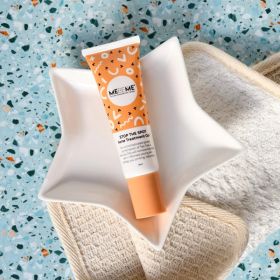 MebemeMebeme Stop The Spot Acne Treatment 30mlAn effective and gentle natural acne treatment gel formulated for teens and tweens.View product details$21.95
-
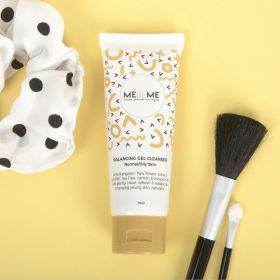 MebemeMeBeMe Balancing Gel Cleanser 75mlFormulated for tweens with normal, oily, combo or acne prone skin.View product details$17.95
-
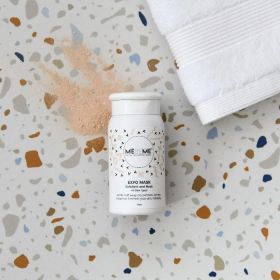 MebemeMebeme Exfo Mask 2in1 Exfoliant & Mask 75gThis exfoliant and mask is as gentle as it is effective. Designed to gently buff away dry patches of skin and remove pore clogging debris.View product details$19.95
-
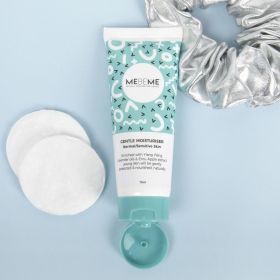 MebemeMeBeMe Gentle Moisturiser 75mlFormulated for tweens with normal, dry or sensitive skin.View product details$17.95
-
 MebemeMeBeMe Gentle Cleanser 75mlFormulated for tweens with normal, dry or sensitive skin.View product details$17.95
-
 MebemeMeBeMe Balancing Moisturiser 75mlFormulated for tweens with normal, oily, combo or acne prone skin.View product details$17.95

Pre-Teen Skincare Comparison
A simple routine is usually the easiest place to begin. The table below explains the role of the main product formats available in or closely related to this category, so you can decide what is genuinely useful rather than buying several products at once.
| Skincare product | When it may be useful | What to consider |
|---|---|---|
| Facial cleanser | For removing everyday dirt, sweat, excess oil and sunscreen when cleansing is needed. | Look for suitable age guidance, clear directions and a formula that doesn’t leave the skin feeling tight or uncomfortable. |
| Facial moisturiser | When skin would benefit from added hydration or feels more comfortable after moisturising. | Texture can make a difference. A lighter product may appeal to children who dislike a rich feel, while a more nourishing texture may suit dry-feeling skin. |
| Two-step skincare pairing | For families who want a coordinated cleanser-and-moisturiser starting point without creating a lengthy routine. | The MeBeMe selection includes normal/oily and normal/sensitive pairings. Choose according to how the child’s skin currently feels rather than age or beauty trends. |
| Facial sunscreen | For daytime sun protection as part of broader sun-safe habits. | Choose a suitable broad-spectrum sunscreen and use it according to its directions. A standard moisturiser isn’t a substitute unless it has an appropriate SPF rating. |
Is a two-step routine better than buying one product?
Not necessarily. A pairing is useful when both products are wanted, but a child who only needs a cleanser doesn’t have to add moisturiser for the sake of completing a set. Starting with the fewest useful products also makes the routine easier to understand and maintain.
Should skin type or age guide the decision?
Skin needs are usually the more helpful guide. Two children of the same age can have very different preferences and experiences. Age recommendations still matter, but they work alongside the child’s current skin feel, ingredient preferences and willingness to use the product consistently.
Frequently Asked Questions About Pre-Teen Skincare
What skincare should a 10-year-old use?
There isn’t one routine that every 10-year-old needs. If facial products are useful, a suitable cleanser is often the simplest starting point, with moisturiser added when it supports comfort and hydration. Broad-spectrum sunscreen and other sun-protection measures remain important. Choose according to individual needs and the manufacturer’s age recommendations rather than age alone.
Does an 11 or 12-year-old need a skincare routine?
Not always. Some children notice changing oil levels, more sweat or occasional blemishes around this age, while others notice very little difference. A straightforward tween skincare routine can be introduced when it serves a practical purpose. It doesn’t need to copy an adult routine or include multiple serums, treatments and masks.
Should pre-teens use facial cleanser every day?
That depends on the product directions and the child’s day. Cleansing may be useful after wearing sunscreen, sweating or getting dirty, but repeated washing isn’t automatically better. Follow the directions for the chosen cleanser and pay attention to how the skin feels. Tightness or discomfort may mean the product or frequency isn’t the right fit.
Can tweens use adult skincare products?
Some simple everyday formulations may be appropriate, but an adult label doesn’t tell the whole story. Consider the complete formulation, directions and age guidance. Products built around retinoids, strong exfoliating treatments or anti-ageing concerns are generally unnecessary for pre-teen skincare. Younger skin doesn’t need an adult beauty routine simply because a product is popular online.
Are natural skincare products suitable for sensitive young skin?
Some may be, but “natural” doesn’t guarantee that a formula will suit every child. Botanical extracts, essential oils and fragrance can still be relevant to individual preferences or sensitivities. Look for verified suitability information and consider introducing one product at a time. If irritation occurs, stop using the product and seek appropriate professional advice if needed.
Our Advice for Using Pre-Teen Skincare
A first routine should feel manageable, comfortable and free from pressure. These practical habits can make facial skincare easier for children to understand and use once you’ve chosen suitable products.
Introduce one product at a time
Adding products gradually makes it easier to notice how the skin responds and which step is genuinely useful. Begin with the most relevant product, then allow time before introducing another. Even naturally derived ingredients won’t suit everyone. If a product causes irritation, stop using it and seek professional advice where appropriate.
Keep cleansing gentle and unhurried
Lukewarm water is generally more comfortable than very hot water, and vigorous scrubbing isn’t needed for everyday cleansing. Encourage clean hands, a light touch and thorough rinsing according to the product directions. Patting the face dry with a clean towel can also feel more comfortable than rubbing.
Use an amount that feels comfortable
More moisturiser doesn’t automatically mean more benefit. Start with a modest amount and see how it spreads and feels before adding extra. This is particularly useful when a child is getting used to a new texture. The aim is comfortable application, not creating a thick layer because an online routine says to do so.
Build the routine around real life
A routine that works around school, sport and family life is more likely to last than an elaborate morning-and-evening ritual. Keep the focus on personal care rather than perfect-looking skin. If social media sparked your child’s interest, use that enthusiasm to talk about ingredients, directions and why products made for adult concerns may not be relevant to them.
Give each personal care product a clear role
As children become more independent, it helps them understand which products are intended for the face and which belong elsewhere. Facial cleansers should be used according to their directions rather than automatically replaced with body products. Families expanding a simple personal care routine can also view kids natural body wash and kids natural deodorant separately, without treating every category as an essential step.


