
-
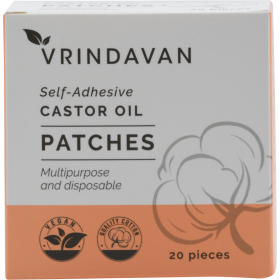 VrindavanVrindavan Self-Adhesive Castor Oil Patches 20 piecesThese cotton patches offer a practical way to incorporate castor oil into a clean, controlled self-care routine.View product details$16.95
-
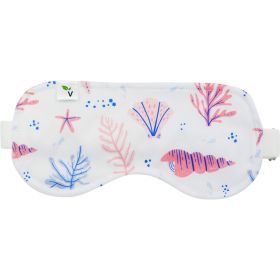 VrindavanVrindavan Castor Oil Mask Sea ShellsYou can apply Vrindavan Bushy Brows and Vrindavan Love-ya Lashes at night, and with the Beauty Sleep Mask on, it will not stain your bedding, and nourishes your…View product details$26.85
-
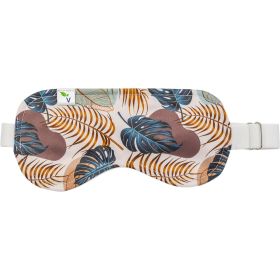 VrindavanVrindavan Castor Oil Mask Natural FloraThis Beauty Sleep Mask is specially designed for your convenience. The Beauty Sleep Mask is made of 100% cotton flannelette on the inside, making it nice and soft to…View product details$24.95
-
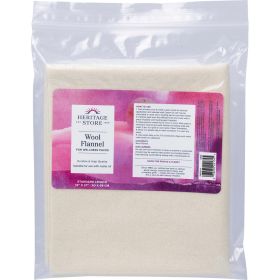 Heritage StoreHeritage Store Wool FlannelDesigned to help castor oil more deeply absorb into your skin, Heritage Store Wool Flannel’s strong absorption quality keeps the castor where you want it.View product details$39.95
-
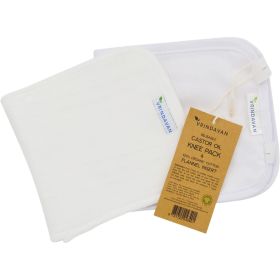 VrindavanVrindavan Castor Oil Knee Pack WhiteThis pack is designed to provide a gentle, calming effect on your knees and elbows, combining traditional practices with modern wellness approaches.View product details$34.95
Comparing Castor Oil Pack Designs
The most useful comparison isn’t about promised health outcomes. It’s about how the pack sits, how securely it stays in place and how much care it needs afterwards. These are the practical differences to consider when narrowing down a castor oil pack.
| Feature | Main difference | Why it may matter |
|---|---|---|
| Traditional fabric compress | An absorbent piece of fabric is positioned over the selected area, with separate protection or securing materials used where required. | This simple format may appeal to customers familiar with traditional castor oil compresses, but it can require more preparation to hold in place and protect nearby fabrics. |
| Wearable wrap | A shaped pack with a fastening system holds the absorbent surface against the body. | A dedicated wrap can be easier to wear while resting because the fastening helps keep it positioned. |
| Size and shape | Coverage and intended placement vary between designs. | A suitable shape can sit more comfortably and keep the oil-bearing section over the intended area. |
| Adjustable fastening | Straps or other adjustable closures allow some control over fit. | Adjustment is useful when you want a secure fit without tightening the wrap excessively. |
| Non-adjustable design | The size and fit are largely fixed. | This can be straightforward to use, provided the stated dimensions suit the intended placement. |
| Absorbent and protective layers | The inner textile holds the oil, while some designs include a separate outer barrier. | Layered construction may make the application tidier, although materials and care requirements differ. |
| Product inclusions | A listing may contain the pack alone or other clearly named components. | Knowing the contents tells you whether castor oil or another item needs to be purchased separately. |
Is a wearable wrap more convenient than a fabric compress?
It can be. A fastening system reduces the need to hold the compress in position, while a traditional fabric format offers a simpler construction. Comfort, coverage and care requirements are more useful deciding factors than the format alone.
Does protective backing prevent all staining?
Not necessarily. It may help contain oil within the pack, but castor oil can still transfer around edges or during application. Using the recommended quantity and protecting nearby fabric remains worthwhile.
Castor Oil Pack FAQs
What is the difference between a castor oil pack and a castor oil wrap?
The terms are often used for closely related products. A castor oil pack can refer broadly to an oil-soaked fabric compress, while a castor oil wrap usually describes a wearable version with a shaped design or fastening system. Product construction varies, so the dimensions, materials and stated area of use provide a clearer comparison than the name alone.
Do castor oil packs come with castor oil?
Not always. The pack is the fabric compress or wrap, while castor oil is the liquid applied to its absorbent surface. Product inclusions can vary, so some purchases may require a separate bottle of suitable castor oil. Any included oil or additional component should be clearly named in the individual product information.
How much castor oil should I use, and how long should I wear the pack?
Use the quantity and wearing time recommended by the manufacturer of your selected pack. Different fabrics absorb oil differently, and application methods can vary. More oil isn’t necessarily more useful and can make leaks or stains more likely. A modest, evenly distributed application based on the supplied directions is generally easier to manage.
Can I warm a castor oil pack?
Only when the manufacturer specifically recommends warming and provides a suitable method. Pack materials and protective layers vary, so a heating pad, hot water bottle or microwave should not automatically be considered compatible. If warming isn’t covered in the directions for your wrap, use it without adding an external heat source.
Can castor oil packs be reused, cleaned and stored?
Products described as reusable can be used again when cared for according to their directions. Cleaning methods differ because wraps may combine absorbent fabric, protective layers and fastenings. Allow washable components to dry as directed before storage, and store the pack in the way recommended by its manufacturer. Castor oil residue may remain in absorbent fabric over time.
Practical Tips for Using a Reusable Castor Oil Wrap
A little preparation can make a castor oil pack routine more comfortable and considerably less messy. These tips are useful once you have chosen a wrap and read its particular application and care directions.
Set up before applying the oil
Choose a comfortable place to sit or lie down, then have the wrap, oil and a washable towel within reach. Castor oil has a thick, sticky consistency, so preparing everything first means you won’t need to move around with an unsecured, freshly oiled pack.
Start with the recommended amount
Apply the oil to the designated absorbent surface rather than coating every part of the wrap. Distribute it as directed and give the fabric time to take up the oil. Excess oil is more likely to reach the edges, transfer to clothing or make the fastening slippery. You can protect bedding or upholstery with an old towel reserved for this routine.
Find a comfortable, secure fit
Position the absorbent section over the intended area of intact skin and fasten the wrap gently. It should stay in place without digging in or restricting your movement. A relaxed position can also reduce shifting, particularly with larger wraps.
Care for each layer correctly
Reusable packs aren’t all cleaned in the same way. Machine washing, soaking, hot water and particular detergents may be unsuitable for some layered materials. Follow the care method supplied with the wrap, allow washable parts to dry as directed and avoid storing them damp. Manufacturer guidance should also be used when deciding when a worn or damaged wrap needs replacing.
Keep skin suitability in mind
Castor oil can irritate some people’s skin. Apply it only as directed and not to broken or irritated skin. Respect pregnancy guidance, contraindications and other warnings provided with the pack and oil. If you have a health concern or are unsure whether a castor oil application is appropriate for you, seek advice from a suitable healthcare professional rather than using a pack as a substitute for medical care.
Need help?
Contact the Shop Naturally team if you’d like help choosing a castor oil wrap, understanding what is included with a product or selecting compatible castor oil. We’ll help you make sense of the practical differences without the hype.


