The best
-
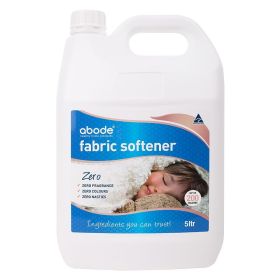 Abode CleaningAbode Natural Fabric Softener Zero 4LA plant based natural fabric softener made in Australia. No added essential oils, free from all added fragrace.View product details$59.95
-
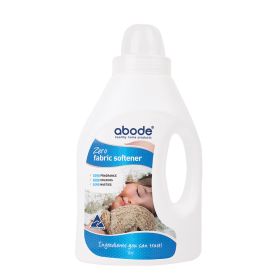 Abode CleaningAbode Natural Fabric Softener Zero 1LA plant based natural fabric softener made in Australia. No added essential oils, free from all added fragrance.View product details$19.95
Comparing Baby Fabric Softeners
The most useful comparison starts with fragrance preference, dosing and fabric compatibility. This baby-specific category currently features Abode Zero Fabric Softener, an unscented formula made without added fragrance. The characteristics below can help you decide whether it fits your laundry routine.
| Formula or feature | What it means | Why choose it? |
|---|---|---|
| Unscented | The finished product is presented without a noticeable added laundry scent. | Consider this if you prefer washed baby clothes and bedding without a lingering fragrance. |
| Made without added fragrance | Fragrance hasn't been added to give the laundry a particular scent. | This provides clearer product information for households that actively avoid added fragrance. |
| Conditioning formula | The product is used alongside detergent to change the feel of compatible fabrics. | It may appeal if you enjoy a conditioned fabric feel and the garment care label permits softener. |
| Measured dose | The amount used is set by the product directions rather than estimated from bottle size. | Using the stated quantity supports consistent use and gives a more accurate view of the number of washes. |
| Fabric-specific suitability | Conditioner can be appropriate for some garments but restricted for absorbent, waterproof or specially treated textiles. | Choose it for compatible loads while keeping nappies and specialist garments separate where their care instructions require it. |
These characteristics can overlap. For example, a conditioner may be unscented and concentrated, but concentration shouldn't be inferred unless the product information specifically identifies it that way.
Do you need fabric softener for baby clothes?
No. Many baby garments can be washed successfully with an appropriate laundry detergent and no conditioner. Fabric softener is a personal preference rather than an essential step. The decision comes down to the garment care label, the conditioner directions and whether you enjoy the resulting fabric feel.
Is the largest bottle always the best value?
Not necessarily. Bottle volume doesn't tell you how much is required for each wash. Compare the recommended dose and stated number of washes where this information is available. A smaller concentrated bottle can provide more uses than its physical size suggests, while a standard formula may require a larger dose.
Baby Fabric Softener FAQs
Can you use fabric softener on baby clothes?
Yes, on garments whose care instructions allow it. Fabric softener may be used on compatible everyday baby clothes, sheets and blankets according to the conditioner directions. Keep items with special performance requirements separate, particularly reusable nappies, waterproof layers, microfibre and flame-resistant or specially treated garments.
Do newborn clothes need fabric softener?
No. Laundry detergent is responsible for cleaning newborn clothes, while fabric softener is an optional extra that changes the feel or fragrance of suitable textiles. Some families enjoy using it and others leave it out. A baby's age doesn't determine compatibility; the garment care instructions and product directions are the useful guides.
What is the difference between fabric softener and laundry detergent?
Laundry detergent cleans clothing by dealing with everyday dirt and washing residue. Fabric softener, also called fabric conditioner, is added separately to alter certain fabric characteristics. Depending on the formula, it may change fabric feel, reduce static in some situations or add fragrance. It isn't a substitute for detergent.
Can fabric softener be used on baby towels or reusable nappies?
Sometimes, but many absorbent textiles have care instructions that restrict fabric softener. Conditioning ingredients can leave deposits on fibres and affect the absorbency or performance of certain towels and reusable nappy materials. Follow the textile manufacturer's washing guidance and avoid conditioner whenever those instructions advise against it.
Is unscented the same as fragrance-free?
Not always. Fragrance-free generally means fragrance ingredients haven't been added, while unscented products may sometimes use ingredients that mask the smell of the base formula. The Abode Zero softener in this category is described as unscented and made without added fragrance. These are the verified terms used here rather than broader sensitive-skin claims.
Practical Advice for Using Baby Fabric Softener
A few simple habits can make fabric conditioner easier to use and help preserve the characteristics that matter in baby clothing, bedding and other washable items.
Sort by care requirements, not just colour
A mixed baby wash can contain cotton clothing, absorbent towels, waterproof bibs and specially treated sleepwear. These items may have very different care requirements. Before adding conditioner, separate anything whose label restricts fabric softener. This is particularly useful when reusable nappies or waterproof layers would otherwise end up in the same load as everyday clothes.
Measure the recommended dose
Use the quantity stated for the product, load and machine type. More conditioner doesn't necessarily produce a better fabric feel and may leave additional product on the fibres. A dedicated measuring cap or dispenser marking makes repeat doses easier, especially with concentrated formulas where a small difference can represent a significant portion of the recommended amount.
Use the correct dispenser
Add fabric softener to the washing machine's designated conditioner compartment unless the product manufacturer directs otherwise. This allows the machine to release it at the intended stage of the cycle. Avoid pouring concentrated conditioner straight onto clothing, as direct contact may not distribute the formula evenly.
Keep absorbency in mind
If a towel, cloth or reusable nappy doesn't seem to absorb as expected, revisit its care instructions and your recent washing routine. Some conditioning formulas can leave deposits on fibres that affect absorbency. Leaving conditioner out of these loads may be appropriate when the textile manufacturer advises against it.
Keep the routine straightforward
Detergent does the cleaning, while fabric softener remains optional. Use conditioner only for compatible items where you value the resulting feel. Keep the product securely closed in its original container and stored out of children's reach.
Need help?
If you'd like assistance understanding the Abode Zero formula, working out the stated dose or deciding whether fabric conditioner fits your household's washing routine, contact the Shop Naturally team. We're happy to help you make sense of the available product information.