
The best
-
 GrantsGrants Kids Bamboo Toothbrush Ultra Soft BristlesUltra Soft bristles sized for kids hands and mouth, sealed in a corn starch compostable wrapper and cardboard box.View product details$4.95
-
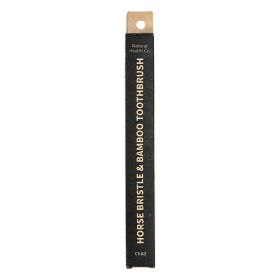 Natural Health CoNatural Health Co Horse Bristle & Bamboo Toothbrush Child Med-SoftA plastic free children's toothbrush made with a bamboo handle and natural medium-soft horsehair bristles, designed for smaller mouths.View product details$8.95
-
 Jack n JillJack n Jill Kids Bio Koala Toothbrush Soft BristlesSuitable from baby's first tooth, soft bristles, 100% corn starch handle. Breaks down in 90 days.View product detailsSpecial Price $4.75 Regular Price $5.95Save 20%
-
 Jack n JillJack n Jill Kids Bio Monkey Toothbrush Soft BristlesSuitable from baby's first tooth, soft bristles, 100% corn starch handle. Breaks down in 90 days.View product details$5.95
-
 Jack n JillJack n Jill Kids Bio Dino Toothbrush Soft BristlesSuitable from baby's first tooth, soft bristles, 100% corn starch handle. Breaks down in 90 days.View product details$5.95
What to Look for in a Kids Toothbrush
Kids toothbrushes come in different shapes, sizes and materials. Here are a few things worth looking at when choosing one for your child.
| What to Consider | What to Look For | Why It Matters |
|---|---|---|
| Age | A toothbrush made for your child's age group. | Little mouths need smaller toothbrushes, and what works for a toddler may not suit an older child. |
| Brush head | A small head that fits comfortably in your child's mouth. | It's easier to reach those little back teeth without a bulky toothbrush getting in the way. |
| Bristles | Soft bristles that feel comfortable against teeth and gums. | There's no need for stiff bristles to get teeth clean. |
| Bristle material | Check what the bristles are made from, especially if you're choosing bamboo. | A bamboo handle doesn't necessarily mean the bristles are plastic-free. |
| Handle | Bamboo or another handle material that suits your preferences. | Some families prefer bamboo, while others like the feel and grip of a conventional handle. |
| Grip | A handle that's comfortable for little hands or for an adult helping with brushing. | A toothbrush that's easy to hold is easier to use. |
| Replacement | Check the bristles regularly for wear. | Kids can be surprisingly hard on toothbrushes, especially if they like chewing on them! |
Are Bamboo Toothbrushes Suitable for Kids?
Absolutely, provided you choose one that's the right size for your child, with soft bristles and a comfortable handle. Bamboo is simply an alternative handle material, so you'll still want to check the brush head and bristles just as you would with any other toothbrush.
Does the Handle Material Make a Difference?
When it comes to brushing, the size of the head, softness of the bristles and how easy the toothbrush is to hold matter more than whether the handle is bamboo or plastic. Choose whichever material you prefer, then make sure the toothbrush itself is a good fit for your child.
Kids Toothbrushes FAQs
What is the best toothbrush for kids?
There isn’t one toothbrush that will be best for every child. Start with a product made for your child’s age or stage, then consider a compact head, soft bristles and a handle that is comfortable to control. For younger children, think about how the brush feels in your hand too, as an adult will often assist with brushing.
What should I look for in a toddler toothbrush?
Look for clear manufacturer age guidance, a small brush head, soft bristles and a handle suited to the way the toothbrush will be used. Some toddler designs have chunkier handles for small hands, while others may be shaped to give an assisting adult more control. Avoid relying on product size alone, as similarly sized brushes may have different intended age groups.
Are bamboo kids toothbrushes plastic-free?
Not necessarily. Bamboo generally refers to the handle, while the bristles may be nylon or another synthetic fibre. There may also be other components or packaging materials to consider. If reducing conventional plastic is important to your family, look at the material details for the complete toothbrush rather than assuming a bamboo handle makes the entire product plastic-free.
What are kids toothbrush bristles made from?
Bristle materials differ between products, although soft nylon bristles are used in selected toothbrushes within this category. Terms such as bamboo, wood or cornstarch often describe the handle rather than the bristles. Only treat bristles as plant-based, natural, animal-derived or biodegradable when the manufacturer specifically identifies them that way.
How often should I replace my child’s toothbrush?
Approximately every three months is a common guide, but replace it sooner if the bristles are bent, worn or splayed. Children who chew on their toothbrush may need a new one more frequently. Checking the head regularly is more useful than relying only on the calendar, as wear rates vary between children and toothbrush designs.
Our Advice for Choosing Kids Toothbrushes
Once you’ve selected an age-appropriate toothbrush, a few small habits can make it easier to use and care for. These practical tips are especially useful when children are becoming more involved in their own brushing.
Check the Brush Head Before the Handle
Handle materials often attract the most attention, but the head is the part that needs to fit comfortably inside your child’s mouth. If you’re deciding between several suitable designs, compare head width and shape before choosing by colour or handle material. A beautifully made handle won’t compensate for a head that feels awkwardly large.
Let Kids Help Choose Their Toothbrush
Once you’ve narrowed the choices to toothbrushes suited to your child’s age, letting them choose a preferred colour, design or handle material can give them a sense of ownership. Keep the practical features as your starting point, then offer a small selection rather than asking them to choose from every brush.
Check for Worn Bristles
Children sometimes chew on toothbrush heads or use more pressure than expected, so their brushes may wear unevenly. Look at the bristles from the side as well as from above. Bristles that lean outwards, flatten or form an irregular shape are useful signs that the brush is ready to be replaced, even if it hasn’t reached three months.
Allow Bamboo Toothbrushes to Dry Properly
Rinse a bamboo toothbrush after use and allow it to air-dry between brushes, following any care instructions supplied by the manufacturer. An open holder is generally more suitable for daily storage than leaving a damp handle enclosed. Before packing one for travel, allow it to dry where practical rather than placing it straight into a sealed case while wet.
Keep a Spare Toothbrush Handy
A spare can be useful when a brush becomes worn sooner than expected, goes missing or is left behind during travel. Keeping the replacement in its original packaging until needed also makes it easy to identify its age guidance and materials. If siblings use similar designs, choosing different colours can help everyone keep track of their own brush.


