The best
-
 Surf MudSurfmud Surfbaby Sensitive Sunscreen SPF30 125g4 hours water resistant. UVA/UVB broad spectrum. Clear, mineral-based sunscreen specifically formulated for outdoor and ocean lovers who need to take care with what they …View product details$35.95
-
 Surf MudSurfmud Surfbaby Sensitive Sunscreen SPF30 100g4 hours water resistant. UVA/UVB broad spectrum. Clear, mineral-based sunscreen specifically formulated for outdoor and ocean lovers who need to take care with what they …View product details$32.95
-
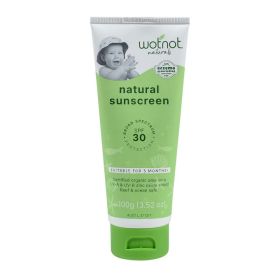 WotnotWotnot Natural Baby Sunscreen SPF30 100gIdeal for people with sensitive skin including eczema, psoriasis and rosacea. Provides broad spectrum protection against both UVA and UVB rays. Reef friendly with certif…View product details$27.95
-
 Surf MudSurfmud Surfbaby Sensitive Sunscreen SPF30 50g4 hours water resistant. UVA/UVB broad spectrum. Clear, mineral-based sunscreen specifically formulated for outdoor and ocean lovers who need to take care with what they …View product details$19.95
-
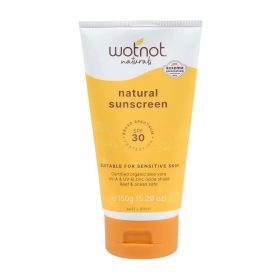 WotnotWotnot Natural Sunscreen SPF30 150gIdeal for people with sensitive skin including eczema, psoriasis and rosacea. Provides broad spectrum protection against both UVA and UVB rays. Reef friendly with certif…View product details$32.95
-
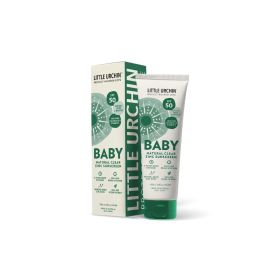 Little UrchinLittle Urchin BABY Natural Clear Zinc Sunscreen SPF 50 100gA fragrance-free SPF 50 mineral sunscreen for babies 6 months+, with non-nano zinc oxide, calendula, vitamin E and 2-hour water resistance.View product details$29.95
-
 Avocado ZincAvocado Zinc SPF30 Natural Sunscreen 100mlInfused with avocado oil and raspberry seed oil for hydration, anti-ageing and collagen production. Rubs in clear. Suits babies, pregnant and breastfeeding mums.View product details$40.00
-
 Avocado ZincAvocado Zinc SPF50 Natural Sunscreen 100ml3-in-1 face sunscreen, moisturiser and primer. Boosted with nourishing avocado oil, coconut oil, vitamin E, calendula oil and castor oil.View product detailsSpecial Price $35.00 Regular Price $40.00Save 13%

Baby Sunscreen Options Compared
These characteristics overlap rather than forming separate product categories. A zinc-based mineral sunscreen may also be SPF50+, water-resistant and supplied as a cream or stick. The useful question is which combination suits your baby’s age, skin and outdoor activities.
| Sunscreen Feature or Type | Main Characteristics | Practical Considerations | What to Check |
|---|---|---|---|
| SPF50 | High UVB protection when applied as directed | Still requires shade, clothing and regular reapplication | Broad-spectrum wording and age directions |
| SPF50+ | Must achieve a tested SPF of at least 60 under Australian requirements | Doesn’t provide complete protection or allow longer periods in the sun | Broad-spectrum wording and application directions |
| Zinc-based mineral sunscreen | Uses zinc oxide as the UV filter | Texture, spreadability and visible white cast vary between formulas | The complete ingredient list and labelled age guidance |
| Water-resistant sunscreen | Carries a tested, time-limited water-resistance claim | Useful for swimming and water play, but reapplication is still needed | The labelled duration and reapplication directions |
| Sunscreen cream or lotion | Spreadable format suited to covering exposed areas | Richer zinc formulas can take more time to distribute evenly | Texture, pack format and required application amount |
| Sunscreen stick | Solid format for targeted application | Handy for small areas, but several passes may be needed for even coverage | Age guidance and whether it is intended for the face or body |
Is SPF50+ always the better choice?
SPF50+ meets a higher tested threshold than SPF50, but the sunscreen still needs to be suitable for your child and applied correctly. The best fit combines an appropriate label, broad-spectrum protection and a texture you can distribute evenly.
Should I choose a cream or a stick?
Creams and lotions generally make covering larger areas more straightforward. A stick can be useful for exposed facial areas, particularly when you want controlled application. Neither format works better simply because of its packaging; adequate, even coverage is what matters.
Baby Sunscreen FAQs
What is the best natural sunscreen for babies?
There isn’t one baby sunscreen that is best for every family. Start with the manufacturer’s age recommendation, a high SPF rating, broad-spectrum protection and a formula that suits your baby’s skin. Texture matters too: a product you can spread evenly and apply in the required amount is likely to be more practical than one you find difficult to use.
Can babies under six months wear sunscreen?
Cancer Council Australia generally advises against widespread sunscreen use for babies under six months. The priority is to minimise direct sun exposure and use shade, protective clothing and an appropriate hat. If adequate physical protection isn't possible, sunscreen may occasionally be used on small exposed areas. Seek professional advice if you're unsure which product is suitable.
What sunscreen should I use for a baby over six months?
Choose a high-SPF, broad-spectrum sunscreen carrying age guidance that includes your baby. Consider water resistance for swimming or active outdoor time, along with a texture that you can apply generously and evenly. Sunscreen remains one part of protection, so continue using shade, covering clothing and a suitable hat.
Is zinc sunscreen suitable for babies with sensitive skin?
Zinc oxide is used in many baby sunscreen formulas, but its presence doesn’t guarantee that the complete product will suit every child. Fragrance, preservatives, oils and other formulation ingredients may also matter. If your baby has sensitive skin, try a small-area usage test first and seek professional advice for eczema, allergies or previous reactions.
Do babies need sunscreen when they’re in the shade?
Shade is important, but scattered and reflected UV can still reach exposed skin. For babies over six months, sunscreen can be used on uncovered areas alongside dense shade, protective clothing and an appropriate hat. For younger babies, prioritise physical protection and minimise direct sun exposure, following current Australian guidance for any occasional sunscreen use.
Our Advice for Using Baby Sunscreen
A good experience with baby sunscreen comes down to more than the SPF number. The way you apply, reapply and care for the product can make it much easier to use consistently as part of your family’s sun protection routine.
Allow Time for Even Coverage
Apply sunscreen before heading outdoors, using the timing and quantity stated on the label. Work across one area at a time so exposed skin is covered evenly. With richer zinc formulas, spreading several small amounts can be easier than trying to move one large dollop across the skin. A visible cast can also make missed patches easier to spot.
Try the Texture Before a Busy Day
A quiet test at home gives you time to see how the applicator works, how readily the formula spreads and how your baby’s skin responds. This is particularly useful before a beach trip or family outing, when rushing can make thorough application more difficult. Introducing one new skin product at a time also makes any reaction easier to identify.
Reapply After Water and Towel Drying
Water-resistant sunscreen still needs to be reapplied. Swimming, sweating and towel drying can reduce coverage, so reapply promptly and continue following the label’s regular schedule. Pay particular attention to exposed areas that are easy to miss, including the ears, hairline, tops of the feet and around the edges of clothing.
Look After the Sunscreen Between Outings
Follow the storage directions and avoid leaving sunscreen in prolonged heat, such as inside a parked car. Before using an older tube or stick, look at its expiry date and whether its texture, colour or smell has changed. Replace it if the product is expired or no longer appears as expected.
Need Help Choosing Baby Sunscreen?
Contact the Shop Naturally team if you’d like help comparing age recommendations, ingredients, SPF ratings, textures or water-resistance claims. For related bath-time care, you can also view our natural baby shampoo collection.