
The best
-
 SLiCK KiDS Hair & BodyNo Nasties Natural Hair Detangler Mandarin and Grape 250mlAll natural detangler in mandarin & grape scent.View product details$23.95
-
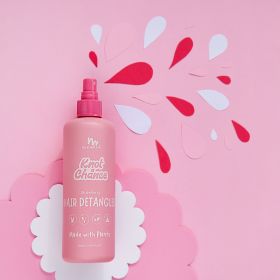 SLiCK KiDS Hair & BodyNo Nasties Natural Hair Detangler Strawberry 250mlAll natural kids hair detangler in a strawberry scent.View product details$23.95

Compare Kids Conditioner Options
A useful comparison begins with how your child’s hair behaves after washing. The texture of the conditioner, where it’s applied and how much is used can all affect the finished feel. These common conditioner types provide a practical starting point for narrowing down the most suitable formula.
| Conditioner Type | Main Features | Best Suited To |
|---|---|---|
| Lightweight rinse-out conditioner | Used after shampooing and rinsed away; generally applied sparingly through the lengths and ends | Fine, straight or shorter hair that can feel weighed down by richer products |
| Richer rinse-out conditioner | A more substantial conditioning texture for smoothing and improving manageability | Longer, thicker or dry-feeling hair that tends to need more conditioning |
| Conditioner selected for wavy or curly hair | Chosen with the hair’s texture, density and tendency to tangle in mind | Waves and curls that benefit from additional conditioning without losing their natural movement |
Hair length, texture and how readily it tangles are often more useful considerations than age alone. Age still matters where a manufacturer provides specific guidance, particularly for younger children.
How do I avoid weighing down fine hair?
Start with a modest amount and concentrate on the lengths and ends when the directions allow. Rinse-out conditioner left near the roots or used too generously can make fine hair feel flatter. You can add a little more next time if the ends still feel difficult to manage.
Does thicker hair always need a richer conditioner?
Not always. Thickness is only one part of the decision; length, texture and how the hair feels after shampooing also matter. Some thick hair needs only moderate conditioning, while long or curly hair may benefit from a richer formula or more careful application through the lengths.
What else should I compare?
Once you’ve narrowed down the texture, consider fragrance, ingredient preferences, package size and the product directions. These practical details can determine how comfortably a conditioner fits into your family’s routine, even when two formulas are intended for similar hair types.
Kids Conditioner FAQs
Does my child need to use conditioner?
Not necessarily after every wash. Conditioner can be useful when hair is long, has dry-feeling ends or tangles easily after shampooing. Children with very short or fine hair may need only a small amount or occasional use. Let manageability and how the hair feels guide your routine.
What is the best natural conditioner for kids?
There isn’t one conditioner that is best for every child. Look for a formula suited to the hair’s length, thickness and texture, then consider fragrance and ingredient preferences. Manufacturer age guidance and clear directions are also important, particularly when choosing a product for a younger child.
Can kids conditioner help with tangled hair?
Yes, conditioner can soften and smooth the hair, making tangles easier to work through. It won’t necessarily remove every knot, particularly in long, thick or curly hair. Gentle detangling from the ends upwards, using fingers or a suitable wide-tooth comb, can make brushing more comfortable.
Should conditioner be applied to children’s scalps?
Often, the lengths and ends need the most conditioner, particularly with longer hair. Applying a rich product close to the roots may leave some hair feeling heavy. Application varies between formulas, however, so use the method and amount given in the directions for the conditioner you choose.
Can children use adult hair conditioner?
It depends on the individual product and its directions. Adult conditioners vary widely in fragrance, formulation and intended use, so they aren’t automatically interchangeable with children’s products. A kids conditioner with suitable age guidance can make it simpler to choose a formula intended for a child’s hair care routine.
Our Expert Advice for Conditioning Kids’ Hair
A few small adjustments can make conditioning and detangling children’s hair easier. The aim isn’t to add more steps; it’s to use the conditioner where it’s most useful and handle knots with a little patience.
Start with the Ends
The ends of longer hair are often the first area to feel dry or become tangled. Apply the conditioner according to its directions, starting through the lower lengths when appropriate. Adjust the amount for the child’s hair length and thickness rather than using the same quantity for every wash. Fine hair generally needs a lighter hand than thick or very long hair.
Give Tangles a Little Patience
When the product and hair type allow detangling during conditioning, separate larger knots gently with your fingers or a suitable wide-tooth comb. Begin at the ends and work upwards in small sections. Holding the hair above the section you’re working on can reduce pulling at the scalp and make the process more comfortable.
Rinse Thoroughly
Follow the manufacturer’s rinsing directions for rinse-out conditioner. Residue can make some hair feel heavy or coated, particularly when it is fine. Pay attention to the less obvious areas around the nape of the neck and behind the ears, where longer hair can make thorough rinsing a little trickier.
Keep the Routine Simple
Use the products your child’s hair needs rather than adding steps for the sake of it. Some children benefit from conditioner after every shampoo, while others only need it when the ends feel less manageable. A straightforward routine is also easier to adjust as hair grows, changes style or responds differently between seasons.
Need Help?
If you’re unsure which kids conditioner may suit your child’s hair length, texture or tendency to tangle, contact the Shop Naturally team. We’ll help you understand the available choices without making the routine more complicated than it needs to be.


