
-
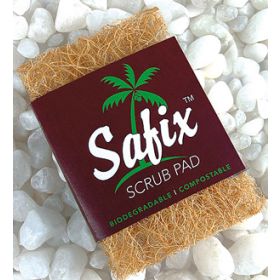 SafixSafix Biodegradable Coconut Fibre Small Scrub PadWhy use a plastic scourer that will scratch your lovely shiny pans, when you can have a non-scratch biodegradable one?View product details$3.95
-
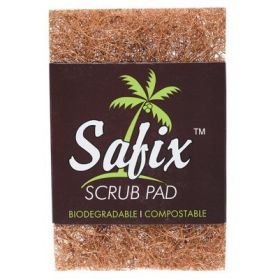 SafixSafix Biodegradable Coconut Fibre Large Scrub PadThis behemoth is twice the size of its little brother; so ideal for those bigger jobs.View product details$6.95
-
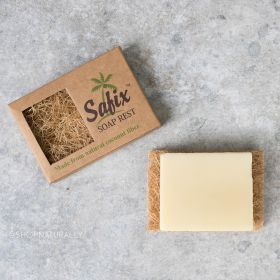 SafixSafix Biodegradable Coconut Fibre Soap RestSized perfectly for soap and shampoo bars.View product details$4.95
-
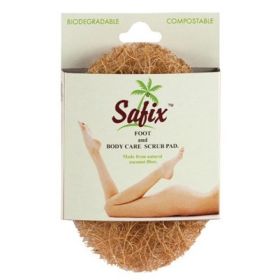 SafixSafix Biodegradable Coconut Fibre Foot & Body Scrub PadThis one is rounded and designed to make scrubbing hard skin effortless.View product details$3.95
Which Safix Coconut Fibre Product Should You Choose?
The two rectangular scrub pads are made for household cleaning, while the Soap Rest and Foot & Body Scrub Pad have more specialised roles. This quick comparison shows where each one fits.
| Safix Product | Size or Shape | Best For | Why Choose It? |
|---|---|---|---|
| Small Scrub Pad | 10cm x 7cm | Dishes, pans, sinks and smaller cleaning jobs | Compact, easy to grip and simple to manoeuvre around smaller items |
| Large Scrub Pad | 10cm x 15cm | Larger pots, benches and household cleaning | Provides more scrubbing surface without using a different fibre |
| Soap Rest | 10cm x 7cm | Soap, shampoo and conditioner bars | Lets moisture drain away instead of pooling beneath solid bars |
| Foot & Body Scrub Pad | Rounded shape | Exfoliating feet and suitable body areas | Shaped for personal care rather than household cleaning |
The small and large cleaning pads use the same coconut coir and natural latex construction, so your decision is mainly about how much surface area feels useful. The Soap Rest shares the open fibre structure but is dedicated to draining solid bars. The rounded body pad should be kept separate from products used for dishes or household surfaces.
Should I choose the small or large scrub pad?
The small pad is a handy starting point for dishes, smaller pans and quick sink-side jobs. Choose the large pad if you regularly clean broad surfaces or larger cookware and would appreciate more pad in your hand. Neither size is inherently more abrasive than the other.
Can one pad handle every job?
The household pads are versatile, but keeping separate pads for dishes, bathrooms and other cleaning areas is more practical. For personal care, use the rounded Foot & Body Scrub Pad rather than repurposing a cleaning pad. The distinct shape makes it easier to tell apart.
Is the Soap Rest worth choosing if I already have a small pad?
A clean Small Scrub Pad can work as a simple resting surface, but the dedicated Soap Rest is the clearer choice when you want a permanent place for soap, shampoo or conditioner bars. It keeps your cleaning pad free for household jobs and gives solid bars an open surface where water can drain away.
Frequently Asked Questions About Safix
What are Safix scrub pads made from?
Safix scrub pads are made from coconut coir fibres bonded together with natural latex. Coir comes from the fibrous husk around a coconut and gives the pads their distinctive textured surface. Because latex is also part of the construction, the finished pads shouldn't be described as made from 100% coconut fibre.
Are Safix coconut fibre scrub pads biodegradable and compostable?
Yes, Safix describes the finished coconut coir and natural latex pads as biodegradable and compostable. The brand doesn't provide a universal breakdown time, and decomposition can vary according to local conditions and the composting system used. The pads don't carry a verified Australian compostability certification.
Do Safix scrub pads scratch non-stick pans?
Safix describes its household pads as non-scratch, but cookware coatings and other surface finishes vary. For non-stick pans, polished surfaces or anything easily marked, test the pad gently on a small, inconspicuous area before scrubbing more firmly. Follow any cleaning guidance supplied by the cookware manufacturer.
What's the difference between the small and large Safix scrub pads?
The difference is size rather than fibre strength. The Small Scrub Pad measures 10cm x 7cm and is easy to handle for dishes, smaller pans and sinks. The Large Scrub Pad measures 10cm x 15cm, giving you approximately twice the surface area for larger cookware, benches and broader cleaning jobs.
How does the Safix Soap Rest help solid bars last longer?
The Soap Rest has an open coconut fibre structure that lets water drain away from soap, shampoo and conditioner bars. This helps prevent a wet bar from sitting in pooled water, where its base may soften and wear down more quickly. Let the rest itself drain and dry between uses too.
Our Advice for Choosing Safix Coconut Fibre Products
A little hands-on know-how makes these simple coconut fibre products easier to use and care for. These are the practical habits we'd recommend once your Safix pad has found its place at home.
Match the Pad to the Scale of the Job
Keep the Small Scrub Pad near the kitchen sink for dishes, smaller pans and quick clean-ups. Its compact shape is easy to manoeuvre around edges and handles. The Large Scrub Pad comes into its own when you're working across a wide bench, sink or large piece of cookware, as the extra surface area means fewer passes over the same space.
Give Solid Bars Room to Drain
The Safix Soap Rest is particularly useful for shampoo and conditioner bars, which can soften when left on a flat, wet surface. Place the bar across the open fibres so water has room to drain, and position the rest somewhere that doesn't stay waterlogged. Let both the bar and its rest dry before the next use.
Pay Attention to the Spaces Between the Fibres
Food residue can become caught within a coir pad rather than remaining on its surface. Rinse from both sides after washing up and gently tease out any trapped pieces. This is more effective than giving the pad a quick splash under the tap and helps keep it fresher between cleaning jobs.
Let Scrub Pads Dry Thoroughly
Once rinsed, stand or place the pad where air can move around it and water can drain freely. Leaving a damp scrubber flat in the bottom of the sink keeps moisture trapped for longer. Rotating between two pads can be useful in a busy kitchen because one can dry fully while the other is in use.
Use a Light Touch When Exfoliating
The dedicated Foot & Body Scrub Pad already has a firm, naturally textured surface, so heavy pressure isn't necessary. Begin gently on wet skin and see how the area responds. Keep this pad solely for personal care, and avoid using it on the face, broken skin, irritation or delicate areas.
Test Unfamiliar Finishes First
Coconut coir feels noticeably textured, even though Safix describes the cleaning pads as non-scratch. If you're cleaning a delicate coating, polished finish or unfamiliar surface, try a few gentle strokes in an inconspicuous spot. This gives you a better idea of how the particular finish responds before you tackle the visible area.


