
-
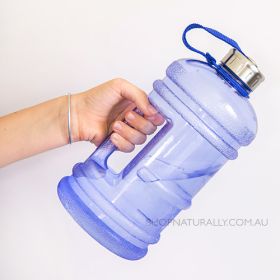 Enviro ProductsEnviro Products BPA Free Drink Bottle Blue 2.2LCarry enough drinking water for the whole day in this lightweight solid BPA Free water bottle with carry handle & stainless steel lid.View product details$19.95
 -
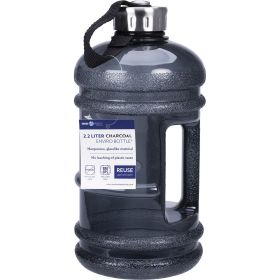 Enviro ProductsEnviro Products BPA Free Drink Bottle Charcoal 2.2LCarry enough drinking water for the whole day in this lightweight solid BPA Free water bottle with carry handle & stainless steel lid.View product details$19.95
 -
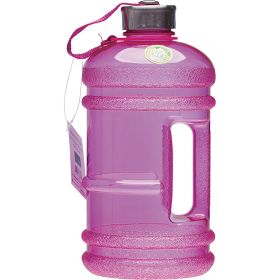 Enviro ProductsEnviro Products BPA Free Drink Bottle Pink 2.2LCarry enough drinking water for the whole day in this lightweight solid BPA Free water bottle with carry handle & stainless steel lid.View product details$19.95
Compare Enviro Products Water Bottles
The main difference within this compact range is capacity. Both bottles are reusable, rigid plastic designs, but the jump from 2.2 L to 3.8 L significantly changes the filled weight, bulk and way you are likely to use the bottle.
| Bottle | Capacity | Material | Construction | Best suited to |
|---|---|---|---|---|
| Eastar water bottle | 2.2 L | Plastic | Rigid mini water cooler-style bottle with built-in side handle | Keeping a generous amount of water nearby while remaining easier to move than the 3.8 L size |
| Large water bottle | 3.8 L | Plastic | Rigid | Keeping a much larger supply of water in one place when fewer refills are the priority |
Which capacity is easier to carry?
The 2.2 L bottle is the more portable of the two, although its water still weighs about 2.2 kg when full. The water in the 3.8 L bottle weighs about 3.8 kg before the bottle weight is added, making it more appropriate when it can remain on a stable surface for much of the day.
Which bottle is better for a desk or workstation?
Either capacity can work, depending on the available space and how often you want to refill. The 2.2 L bottle takes up less room and is easier to move. The 3.8 L bottle offers greater capacity but needs more bench or desk space and extra care when lifting.
Should I choose a large bottle instead of several smaller ones?
A large bottle keeps your water together and reduces the number of separate refills or containers you need. Smaller bottles are easier to carry, fit into more bags and cup holders, and let you divide the weight. The useful question is not simply how much the bottle holds, but where it will sit and how far you will carry it.
Enviro Products FAQ
What capacities are available in the Enviro Products range?
Shop Naturally stocks Enviro Products water bottles in 2.2 L and 3.8 L capacities. That is equivalent to 2200 mL and 3800 mL respectively. Both are large-capacity choices compared with standard drink bottles, with the 3.8 L model holding substantially more and requiring more space when stored or used.
How heavy is an Enviro Products bottle when full?
The water in a full 2.2 L bottle weighs approximately 2.2 kg, while the water in a full 3.8 L bottle weighs approximately 3.8 kg. You will also need to allow for the weight of the bottle itself. This makes the intended carrying distance and storage location important considerations.
Are Enviro Products water bottles rigid?
Yes. These Enviro Products bottles are made from rigid plastic rather than a soft or flexible material. The rigid construction maintains the bottle's shape, but it also means the bottle needs careful handling when full. A fall onto a hard surface can crack or damage the bottle.
Can Enviro Products water bottles go in the dishwasher?
Dishwasher suitability is not confirmed in the category information available for these bottles, so hand washing is the appropriate default unless the current care directions for your model state otherwise. This avoids exposing the rigid plastic bottle and lid to a dishwasher cycle that may not be recommended for them.
How should I clean an Enviro Products water bottle?
Wash the bottle and lid regularly by hand with warm water and ordinary dishwashing liquid, giving extra attention to the opening, lid threads and any seals or smaller closure components. Rinse everything well, then allow the separate parts to dry thoroughly before putting the bottle back together or storing it closed.
Expert Advice for Using Enviro Products Water Bottles
A large rigid bottle feels quite different from a conventional drink bottle once it is full. A few practical habits can make it easier to carry, clean and store your Enviro Products water bottle.
Take Care Not to Drop a Full Bottle
A 2.2 L bottle carries about 2.2 kg of water, while the 3.8 L size carries about 3.8 kg. That weight creates considerable impact if a rigid bottle falls. Place it securely on desks and benches, particularly around hard floors such as concrete or tiles. When putting it down, make sure the base is fully supported rather than close to the edge of a surface.
Lift It from a Secure Carrying Point
Where your bottle has a built-in handle or another designated carrying point, use it rather than trying to grip the full body with one hand. Before lifting, make sure the lid is properly closed and seated on the thread. For the larger capacity, using both hands when moving or repositioning the bottle can provide more control.
Treat the Capacity as Space, Not a Target
The markings and total volume show how much the bottle can contain; they are not personalised hydration advice. You might fill the bottle completely when spending a long time away from a tap, or only partly when you want less weight to carry. The useful capacity is the amount that works for your plans and preferences that day.
Wash the Lid and Threads Thoroughly
Large bottles kept at a desk are often topped up, but fresh water does not replace regular washing. Residue can collect around the opening, lid threads, seals and other small closure components. Separate removable lid components where the product design allows, wash them along with the bottle and rinse them carefully.
Let Every Part Dry Before Storage
After washing, leave the bottle and lid apart until both are thoroughly dry. Air needs to reach the inside of the bottle as well as the small areas around the lid. Reassembling and closing a bottle while it is still damp can allow stale odours to develop during storage.


