
-
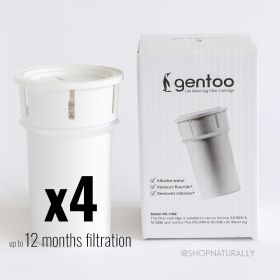 Eco BudEco Bud Gentoo Replacement Filter 4 pack (12 months)The filter is good up to 3 months, or for 600 to 800 litres of water used. Removes chlorine, bacteria and up to 98% of fluoride.View product detailsSpecial Price $99.50 Regular Price $127.80Save 22%
 -
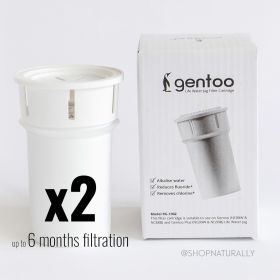 Eco BudEco Bud Gentoo Replacement Filter 2 pack (6 months)The filter is good up to 3 months, or for 600 to 800 litres of water used. Removes chlorine, bacteria and up to 98% of fluoride.View product detailsSpecial Price $52.95 Regular Price $63.90Save 17%
 -
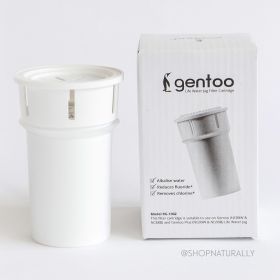 Eco BudEco Bud Gentoo Replacement FilterThe filter is good up to 3 months, or for 600 to 800 litres of water used. Removes chlorine, bacteria and up to 98% of fluoride.View product detailsSpecial Price $26.90 Regular Price $31.95Save 16%
 -
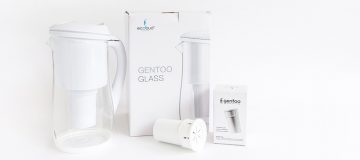
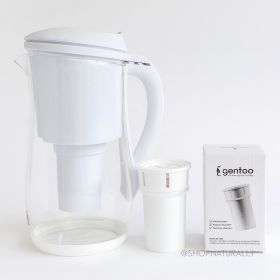 Eco BudEco Bud Gentoo Glass Water Filter Jug 1.5LGlass filter Jug, removes chlorine, bacteria and up to 98% of fluoride.View product detailsSpecial Price $99.95 Regular Price $124.95Save 20%
 -
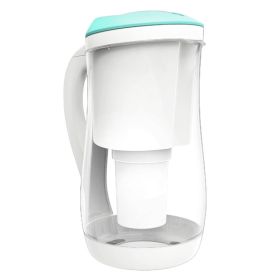 Eco BudEco Bud Gentoo Lite BPA Free Plastic Water Filter Jug 1.5LBPA free Plastic filter Jug, removes chlorine, bacteria and up to 98% of fluoride.View product detailsSpecial Price $85.40 Regular Price $94.95Save 10%
Eco Bud Water Filter Jug vs Under-Bench and Whole-House Filters
Choosing a water filtration system involves more than comparing what each filter is designed to reduce. Cost, available space, installation and how much filtered water you want at one time can all influence which format makes sense for your household. An Eco Bud Gentoo jug provides a relatively simple entry point because it requires no plumbing, while under-bench and whole-house systems involve more space, installation and upfront cost in exchange for filtering larger volumes of water.
| What to compare | Benchtop Filter Jug | Under-Bench Filter | Whole-House Filter |
|---|---|---|---|
| Upfront cost | Generally the lowest-cost option, with the jug and first filter being the main initial purchase. | Generally a higher initial cost for the filtration system, fittings and potentially professional installation. | Typically the highest upfront cost, with a larger filtration system and professional installation usually required. |
| Installation | No plumbing or permanent installation. Fill the jug from the tap and allow the water to pass through the filter. | Installed beneath the sink and connected to the water supply. Depending on the system, it may use the existing tap or require a separate filtered-water tap. | Installed into the home's main water supply so water can be filtered before being distributed around the property. |
| Space required | Takes up some benchtop or refrigerator space but requires no cupboard or plumbing space. | Keeps the filtration equipment off the benchtop but uses space inside the cupboard beneath the sink. | Requires a suitable installation area for a larger filtration system, usually close to the property's incoming water supply. |
| Amount filtered | Filters one jug at a time and needs to be refilled as filtered water is used. | Provides filtered water directly from the kitchen tap or a dedicated drinking-water tap, depending on the system. | Designed to filter much larger volumes of water for multiple outlets throughout the home. |
| Ongoing costs | Replacement cartridges are the main ongoing expense. | Replacement filter cartridges and servicing requirements vary by system. | Replacement filters and servicing can cost more due to the size and capacity of the system. |
| Moving home | Easy to take with you, making it particularly practical for renters. | A fixed installation that may need to be disconnected or left behind when moving. | Usually treated as part of the property's plumbing infrastructure rather than a portable filtration option. |
| Best suited to | Renters, smaller households and customers wanting an affordable, non-permanent way to filter drinking water. | Households wanting convenient filtered drinking and cooking water directly from the kitchen without a jug occupying bench or fridge space. | Homeowners wanting filtration at multiple taps or throughout the property rather than only for drinking water. |
Which Water Filter Takes Up the Least Space?
Each format uses space differently. A water filter jug doesn't require any plumbing or cupboard space, but the jug itself needs somewhere to sit on the bench or in the refrigerator. An under-bench system keeps filtration equipment out of sight but takes up some of the storage space beneath the sink. Whole-house filtration requires a larger dedicated installation area but doesn't take up kitchen bench or cupboard space.
Which Type of Water Filter Costs Less?
A benchtop jug is generally the least expensive way to start filtering drinking water because there's no installation cost and the initial equipment is relatively simple. Under-bench systems require a larger upfront investment and may involve installation costs, while whole-house filtration is generally the most expensive option because of the equipment size, capacity and professional installation involved. Ongoing filter replacement and servicing costs should also be considered rather than comparing the purchase price alone.
When Does a Water Filter Jug Make More Sense?
A jug can make sense when you primarily want to filter water for drinking and cooking, don't want to alter your plumbing or aren't ready to invest in a larger filtration system. It's also particularly useful for renters because it can move with you. The compromise is capacity: you need to refill the jug as you use the filtered water, and you'll need to allocate some bench or refrigerator space to it.
Eco Bud Water Filter FAQ
What is an Eco Bud water filter jug?
An Eco Bud water filter jug is a standalone system that filters tap water in batches. Water is poured into an upper reservoir, passes through a replaceable filtration cartridge and collects in the lower jug ready to use. The Gentoo doesn't require permanent plumbing, making it a practical option for renters and households that prefer a movable point-of-use water filter.
What does an Eco Bud water filter reduce?
Eco Bud's filtration system is designed to reduce fluoride, chlorine, specified heavy metals and a range of other contaminants covered by its testing. Reduction rates vary between substances, so refer to Eco Bud's current test information when you want to know the documented performance for a particular contaminant rather than applying one removal percentage to everything the filter targets.
Does the Eco Bud filter reduce fluoride?
Yes. Fluoride reduction is one of the documented purposes of the Eco Bud filtration system, making it an option for customers specifically looking for a fluoride water filter. Choosing to reduce fluoride is a personal preference: some households choose to filter it from their drinking water, while others are comfortable with fluoride remaining in their municipal water supply.
How often should an Eco Bud filter be replaced?
Replace the cartridge according to Eco Bud's current recommended service interval or once its stated filtration capacity has been reached, whichever applies first. Households that filter larger quantities of water may reach the cartridge's capacity sooner, so consider all the filtered water you use for drinking, cooking, filling bottles and kettles rather than drinking water alone.
Do I need a plumber to install an Eco Bud water filter?
No. The Gentoo is a standalone water filter jug rather than a plumbed-in system. Prepare and fit the new cartridge according to Eco Bud's directions, then fill the jug directly from the tap. There's no permanent installation or change to your plumbing, which also makes the system easy to take with you if you move.
Expert Advice for Using an Eco Bud Water Filter Jug
A little attention to cartridge preparation, replacement timing and everyday jug care will help you get the best from your Eco Bud Gentoo system. These practical tips are useful whether you're setting up your first jug or have been using one for some time.
Prepare a New Filter Correctly
Follow Eco Bud's current preparation instructions for the exact cartridge you're installing. Complete any specified rinsing, preparation and initial flushing before drinking the filtered water. These first steps are part of setting up the filtration media correctly, so don't assume the directions for an older Eco Bud cartridge or another brand of water filter will be the same.
Keep Track of Filter Replacement
A cartridge isn't designed to work indefinitely, and looking at it won't necessarily tell you when replacement is due. Record the installation date somewhere useful, such as your phone calendar, and follow Eco Bud's recommended replacement interval and stated filtration capacity. A household filtering larger quantities of water may reach a volume-based limit sooner than one using the jug less frequently.
Don't Mix Unfiltered and Filtered Water
Allow water in the upper reservoir to pass through the cartridge as intended rather than pouring from the jug while a large amount of unfiltered water remains above the filter. Keeping the two sections of the system working as designed helps avoid accidentally mixing unfiltered tap water with the water that has already passed through the cartridge.
Clean the Jug, Not the Filter
Clean the washable jug, reservoir and lid according to Eco Bud's care directions, paying particular attention to joins, edges and other areas where water can remain. Treat the filtration cartridge separately and don't wash it with detergent or clean it in the same way as the jug unless the manufacturer specifically instructs you to do so.
Keep Filtered Water Fresh
A water filter jug is designed to prepare water for use, not for indefinite storage. Rather than continually topping up water that has been sitting in the jug, empty and clean it regularly and prepare fresh filtered water. If you prefer chilled water, check the jug dimensions against the available refrigerator space and follow Eco Bud's current storage and care directions.
Base Your Choice on Specific Filtration Testing
“Filters water” is a broad description and doesn't tell you whether a product has been tested for fluoride, chlorine, particular heavy metals or another substance. If a particular contaminant matters to you, look for testing that names it specifically. Eco Bud's contaminant information is most useful when individual reduction results are considered rather than treating one percentage as a universal claim about everything the cartridge filters.
Still deciding whether Eco Bud suits your household? Consider jug capacity, available bench or refrigerator space, the substances you personally want to reduce, cartridge life and ongoing replacement costs together. The Shop Naturally team can help you compare the available product and compatibility information.


