
Other body care essentials
-
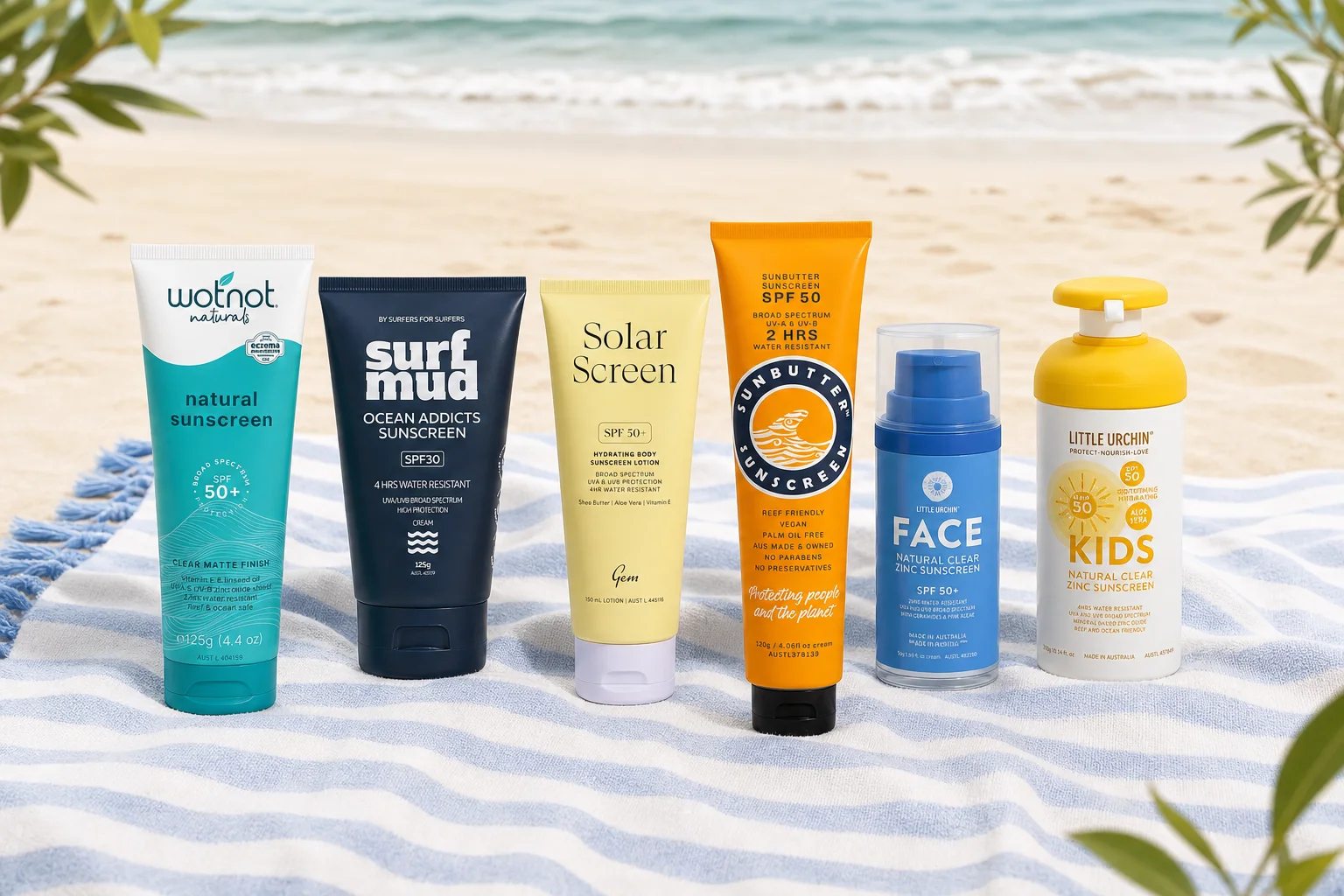
 Surf MudSurfmud Natural Zinc Tinted Covering Cream 45gThe Original ... and the best. Surfers' number 1 choice. Say no more. All-day waterproof, reef safe, barrier protection against the harsh conditions faced by surfers. Mad…View product details$32.95
-
 Sunbutter OceansSunbutter Natural Tinted Sunscreen SPF50 100gThe formula you love is now tinted. Plastic free, vegan, SPF50, reef safe, palm oil free and rated 4 hours water resistant.View product details$31.95
-
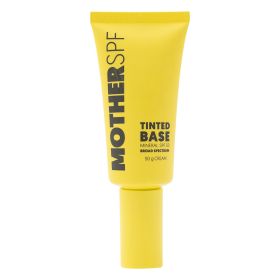 Mother SPF Tinted Base Mineral Sunscreen SPF50 50gA lightweight, tinted mineral facial sunscreen with SPF 50 protection, hydrating skin care ingredients and a sheer, natural-looking finish.View product details$68.00
-
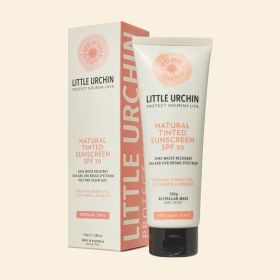 Little UrchinLittle Urchin Natural Tinted Sunscreen SPF30 100g3 hours water resistant. Broad Spectrum UVA & UVB. Medium Tint. Rich in Antioxidants. Reef Safe. Suitable to use on Sensitive Skin.View product details$29.95
-
 Little UrchinLittle Urchin Natural Zinc Stick Medium Tint SPF50 20g4 hours water resistant. Broad Spectrum UVA & UVB. Medium Tint, Natural Even Finish. Reef Safe. Suitable to use on Sensitive Skin.View product details$17.95
Tinted Sunscreen Comparison
The most useful tinted sunscreen depends on how much colour you want, where you’ll apply it and the finish you enjoy wearing. This table summarises the practical differences without treating tint as a substitute for SPF.
| If you’re looking for | Consider | Why it may suit you |
|---|---|---|
| A softer-looking zinc finish | Sheer tinted mineral sunscreen | A light tint can reduce the visibly pale appearance of zinc while leaving your natural complexion visible. |
| Everyday facial SPF | Tinted face sunscreen | Facial formulas combine labelled sun protection with a cosmetic tint and may be worn alone or beneath makeup. |
| More complexion colour | A more pigmented tinted sunscreen | Greater pigmentation creates more noticeable coverage, so shade depth becomes a more important consideration. |
| Less visible shine | A matte finish | Matte products leave a less luminous result without changing the need to apply the labelled amount. |
| A brighter-looking finish | A natural or dewy finish | These finishes retain more visible glow and may work well for customers who don’t want a flat matte result. |
| One product for larger exposed areas | A face-and-body formula | A multipurpose sunscreen can be used beyond the face where this is included in its labelled directions. |
| Swimming, sport or perspiration | Water-resistant tinted sunscreen | The tested water-resistance period—not the tint—shows whether the formula is intended for these activities. |
| An animal-free formulation | Manufacturer-confirmed vegan sunscreen | Vegan status relates to the complete formula rather than its mineral filter or tinted appearance. |
Does a deeper tint provide more sun protection?
No. Tint depth and SPF are separate product characteristics. Use the SPF rating, broad-spectrum statement and directions supplied with the sunscreen rather than its visible colour as your guide.
Which tint is easiest to wear under makeup?
This depends on how the sunscreen texture, finish and shade work with your complexion products. Sheer tints add less competing colour, while a more pigmented formula may provide enough coverage that you prefer to use less makeup over it.
Is a face-and-body formula more versatile?
It can be if you want the same tinted finish across several exposed areas. A dedicated face product may be preferable when facial texture, finish or compatibility with makeup matters more than multipurpose use.
Frequently Asked Questions About Tinted Sunscreen
What is tinted mineral sunscreen?
Tinted mineral sunscreen contains colour pigments that give the formula a skin-toned appearance rather than the traditional white colour associated with zinc oxide. Depending on the product, the tint may simply soften the visible look of zinc or provide more noticeable cosmetic coverage. Its primary role remains sun protection.
Does tinted sunscreen stop white cast?
It can reduce the pale or chalky-looking finish sometimes associated with zinc sunscreen, but it won’t necessarily disappear on every complexion. The result depends on the shade, tint depth, sunscreen texture, application amount and your skin tone. A universal tint can still appear too warm, cool, light or dark for some people.
How do I choose a tinted sunscreen shade?
Start by looking at whether the product is described as sheer, universal or available in distinct shades. Sheer tints are generally more flexible because your natural complexion remains visible underneath. More pigmented formulas require closer attention to shade depth and undertone, especially when applied at the full amount required for sun protection.
Can tinted sunscreen replace foundation or be worn underneath it?
Yes, if you like its cosmetic finish. Some people find a tinted face sunscreen provides enough colour to wear alone, while others prefer foundation or concealer over it. Allow the sunscreen to settle before applying makeup and avoid excessive rubbing that could disturb the even sunscreen layer.
Is tinted sunscreen water resistant?
Some tinted sunscreens are water resistant and others aren’t. Tint doesn’t indicate suitability for swimming, sport or heavy perspiration, so use the product’s stated water-resistance period as your guide. Reapply according to its directions, particularly after swimming, sweating or towel drying where applicable.
Practical Tips for Using Tinted Sunscreen
Tinted sunscreen can look and feel like a complexion product, but it still needs to be applied and maintained as sunscreen. These habits can help you get an even finish without compromising the labelled application directions.
Apply it like sunscreen, not foundation
A foundation-sized dab may provide enough visible colour without providing the amount used to establish the labelled SPF. Apply the quantity directed on the Australian product label and spread it evenly. If the correct amount creates more colour or coverage than you want, a sheerer formula or different shade may be a better fit.
Assess the colour after a full application
A small swatch won’t always show how a tinted formula looks when worn properly. Test the finished colour at the full labelled application amount, preferably in natural light. This gives you a more useful view of the shade, undertone, coverage and finish than a thin patch on the back of your hand.
Give the sunscreen time to settle
Mineral formulas can change slightly in appearance as they’re spread and allowed to settle. Apply an even layer, wait for the product to settle according to its directions, then decide whether you want additional makeup. When layering foundation or concealer, use a light touch so you don’t rub away the sunscreen underneath.
Pay attention to the edges
Tint can make uneven application easier to spot around the hairline, eyebrows, ears, jawline and sides of the nose. Blend these areas carefully while maintaining an even layer rather than repeatedly buffing the product away. If you’re applying it to the chest or shoulders, allow it to settle before putting on light-coloured clothing, hats or towels because transfer varies between formulas.
Plan for reapplication
Reapply according to the individual product directions, including after swimming, sweating or towel drying where relevant. More pigmented formulas can build visible colour during reapplication, so this is worth considering when choosing a sunscreen for long days outdoors. Sunscreen should also be used as part of broader sun protection, including protective clothing, a hat, sunglasses and shade where appropriate.


