
Other body care essentials


-
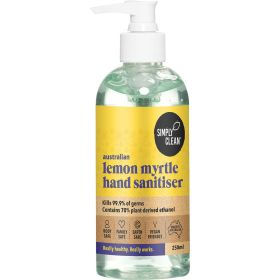 Simply CleanSimply Clean Hand Sanitiser Lemon Myrtle 250mlOur Lemon Myrtle Hand Sanitiser contains 70% v/v plant-derived ethanol, efficiently killing 99.9% of germs and bacteria.View product details$10.89
-
 CleanLIFECleanLIFE Flushable On The Go 2 in 1 Wipes x 15Gentle hand & surface sanitiser for travelling. Certified flushable. Scented with eucalyptus & rosemary.View product details$3.49
-
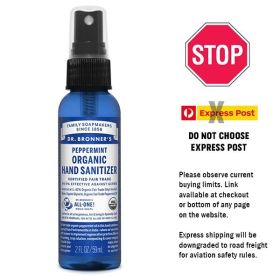 Dr Bronner'sDr Bronner's Organic Hand Sanitiser Spray Peppermint 59mlAn effective germ killer without the use of harsh chemicals like triclosan. Keep one in your bag for those times where you just can't get to soap and water for a thorough…View product details$12.95
-
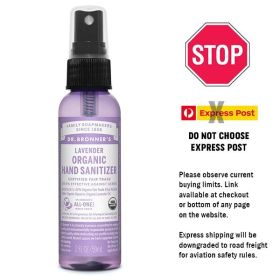 Dr Bronner'sDr Bronner's Organic Hand Sanitiser Spray Lavender 59mlAn effective germ killer without the use of harsh chemicals like triclosan. Keep one in your bag for those times where you just can't get to soap and water for a thorough…View product details$12.95
Hand Sanitiser Comparison
The best starting point is the active formulation and its supported claims. Once you've established that a sanitiser meets your practical requirements, compare the format, fragrance and bottle size to find one you'll use correctly and carry when needed.
| Format | Consistency and application | Why you might choose it | What matters most |
|---|---|---|---|
| Hand sanitiser gel | Thicker formula dispensed into the palm | Useful if you prefer controlled application and a product that doesn't run quickly | Active ingredients, stated alcohol concentration where applicable, supported claims and directions |
| Hand sanitiser spray | Lighter liquid distributed with a spray dispenser | Useful if you prefer quick distribution and a portable spray format | Active ingredients, stated alcohol concentration where applicable, supported claims and directions |
Is gel or spray hand sanitiser better?
Neither is automatically better. A gel's thicker texture may make controlled dispensing easier, while a spray offers a lighter application. The active formulation and correct use matter more than the dispensing format, so choose the one you find easiest to apply across your hands as directed.
Which hand sanitiser should I choose?
Begin with the active sanitising ingredients, alcohol concentration where stated and claims supported for the finished formula. You can then narrow the selection by fragrance, consistency, bottle size and price. A smaller bottle may suit your bag or travel kit, while a larger format can work well on a desk or at home.
Hand Sanitiser vs Hand Wash
| Comparison point | Hand sanitiser | Hand wash |
|---|---|---|
| Used with water | No | Yes |
| Main purpose | Sanitising hands according to the product's formulation and directions | Washing dirt, oils and microorganisms from the hands |
| Useful on the go | Yes, particularly without convenient washing facilities | Requires water and somewhere to wash and rinse |
| Removes visible dirt | No; it isn't a substitute for washing dirty or greasy hands | Yes |
Hand sanitiser isn't simply portable hand wash. It has a useful role when soap and water aren't readily available, while hand washing is generally the more suitable approach when hands are visibly dirty or greasy.
Hand Sanitiser FAQs
What makes a hand sanitiser effective?
The complete formulation, active ingredients, concentration and correct use all matter. Words such as natural and the presence of a particular essential oil don't establish effectiveness on their own. Look for claims supported for the finished product and use the sanitiser in accordance with its directions.
Does natural hand sanitiser contain alcohol?
It can. Natural doesn't automatically mean alcohol-free. Some naturally positioned hand sanitisers use alcohol as their primary sanitising ingredient alongside essential oils, botanical extracts or moisturising ingredients. The stated alcohol percentage and ingredient list will tell you how a particular formula is made.
How much hand sanitiser should I use?
Use the amount stated in the individual product directions. It should be enough to cover the relevant surfaces of your hands as directed. There's no reliable universal pump or spray count because formulas, dispensers and manufacturer directions differ between products.
Can hand sanitiser dry your hands?
Yes, some people find that frequent use of alcohol-based hand sanitiser leaves their hands feeling dry. Formulas differ, and some include moisturising or conditioning ingredients. If needed, apply a separate hand cream after the sanitiser has dried rather than mixing moisturiser into the sanitiser itself.
Where should I store hand sanitiser?
Store it according to the product label, with the cap secure and out of reach of children. Alcohol-based hand sanitisers should be kept away from heat, flames and ignition sources. A parked car can become very hot, so consider the stated storage conditions before leaving a bottle there for extended periods.
Expert Advice for Using Hand Sanitiser
A few small habits can make hand sanitiser easier to use properly, especially when you're switching between gels and sprays or keeping bottles in several places.
Cover more than your palms
Dispense the amount specified by the manufacturer and distribute it over the hand surfaces identified in the directions. A small dab rubbed only between the palms may not provide the coverage the product requires. Pay attention to areas that are easy to rush past, such as between the fingers and around the fingertips, while following the stated rubbing time.
Give the formula time to dry
Many hand sanitisers are intended to remain on the hands until dry. Wiping the product straight onto clothing or a towel removes some of the formula before that process is complete. Keep rubbing it across your hands for the time directed and allow it to air dry unless the product instructions say otherwise.
Use the sanitiser as supplied
Adding water, moisturiser, essential oils or another ingredient changes the formula the manufacturer has prepared. For an alcohol-based product, dilution can also change the alcohol concentration. Use the product straight from its original container unless the manufacturer specifically provides different instructions.
If your hands feel dry, apply hand cream separately once the sanitiser has dried. This keeps both products in their intended formulations and lets you control how much moisturiser you use.
Take care when refilling
Only refill a smaller container where the manufacturer supports it, and use a clean, compatible bottle intended for that formula. Avoid combining leftover sanitiser with a different product, as active ingredients, concentrations and thickeners can vary. Clearly keeping one formula in each container also means its directions and safety information remain easy to identify.
Store alcohol-based products thoughtfully
Alcohol-based hand sanitiser is flammable. Keep it away from flames, high heat and ignition sources, and follow the storage instructions on the label. Secure storage is particularly important in homes, workplaces or travel settings where children may be present.


