
Other body care essentials

-
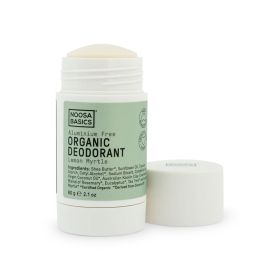 Noosa BasicsNoosa Basics Deodorant Stick Lemon Myrtle 60g24 hour protection. Vegan and cruelty free, hand crafted in Noosa in small batches for all day freshness.View product details$19.50


Deodorant Stick vs Other Deodorant Formats
The right deodorant format often comes down to how you prefer to apply it. Sticks, roll-ons, creams, pastes and sprays can all have different formulations, so the applicator alone doesn’t tell you which product will suit you. This quick comparison focuses on the practical experience of using each format.
| Format | How it’s applied | Why you might choose it |
|---|---|---|
| Stick deodorant | A solid formula glides directly over the underarm. | Useful if you want finger-free application, controlled placement and a portable format without an aerosol. There’s generally no liquid drying time. |
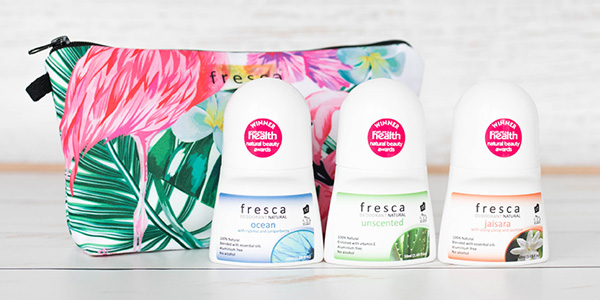
| Roll-on deodorant | A liquid or lotion-style formula is applied using a roller ball. | A familiar direct-to-skin option for people who like the feel of a fluid formula and don’t mind allowing it time to dry. |
| Cream or paste deodorant | Usually applied with fingers or an applicator. | Gives you close control over the amount used and where it’s placed, although it isn’t finger-free unless an applicator is included or used. |
| Spray deodorant | Sprayed onto the underarm without an applicator touching the skin. | Appeals to people who prefer contact-free application and a lighter, more dispersed application style. |
Which format is easiest to carry?
A solid deodorant stick is compact and contains no loose liquid, which makes it convenient for a work bag, gym bag or toiletries case. Container sizes still vary, so the most portable choice will depend on the individual product.
Is a stick more effective than a roll-on, paste or spray?
Not necessarily. Stick describes how the deodorant is packaged and applied, not how well every formula will work for every person. Deodorising ingredients, fragrance preferences, application directions and your personal experience with the formula are more useful considerations than format alone.
Natural Deodorant Stick FAQs
How does a natural deodorant stick work?
A natural deodorant stick applies a solid deodorising formula directly to the underarm. Formulations vary between brands, but they’re primarily intended to help manage underarm odour. A few light passes usually distribute the product where it’s needed without requiring fingers or a separate applicator.
Does a deodorant stick stop you sweating?
No, a deodorant stick shouldn’t automatically be treated as an antiperspirant. The natural deodorant sticks in this category are intended primarily to manage odour rather than stop the body’s natural perspiration process. Deodorant and antiperspirant describe different functions, even when products have a similar-looking applicator.
How much deodorant stick should I apply?
A few light passes may be enough, depending on the formula. Applying a thick layer doesn’t necessarily improve the result and may leave more product on the skin or clothing. Start with the amount recommended for the individual stick and adjust your application within its supplied directions.
Why is my deodorant stick harder or softer in different temperatures?
Formulas containing oils, waxes and butters can change firmness as the temperature changes. A stick may feel firmer in cool weather and softer when stored somewhere warm. If appropriate for the product, briefly warming a firm stick against the underarm can make it easier to glide. Follow its individual storage directions.
Do natural deodorant sticks contain bi carb?
Some do and some don’t. Sodium bicarbonate is a common deodorising ingredient, but it isn’t used in every natural stick deodorant. If you prefer to avoid it, our bi carb free deodorants provide alternatives made without sodium bicarbonate.
Expert Advice for Using Natural Deodorant Sticks
A few small application and storage habits can make a solid deodorant stick easier to use, especially when you’re moving from a liquid roll-on, spray or paste.
Start with clean, dry underarms
Freshly cleaned, dry skin gives deodorant a better starting point than repeatedly layering it over existing product and perspiration. If you’re reapplying later in the day, cleaning and drying the underarm first can also reduce product build-up.
Use a light hand
More deodorant isn’t necessarily better. A few light passes may be sufficient, depending on the formula and its directions. Thick application can leave excess product sitting on the skin and increase the chance of transfer to clothing. With a wind-up or push-up container, expose only the small amount of stick needed for comfortable application.
Give a firm stick a moment to warm
Natural formulas containing waxes, oils or butters can become firmer in cooler conditions. Where appropriate for the particular product, hold the surface of the stick gently against the warmth of your underarm for a few seconds before gliding it over the skin. This can soften the surface without pushing or dragging the stick.
Keep it away from excessive heat
Temperature can also make a stick softer. Avoid leaving it in unnecessarily hot places, such as a parked car during an Australian summer. If the formula becomes softer than usual, keep it upright and allow it to return to a suitable consistency in accordance with the manufacturer’s storage guidance.
Compare formulas if one stick doesn’t suit you
If a particular product doesn’t feel right on your skin, the issue may be the individual formulation rather than the stick format. Compare the ingredient lists to identify meaningful differences, including sodium bicarbonate and fragrance ingredients. A bi carb free deodorant is another option if you prefer to avoid sodium bicarbonate. Stop using a product if irritation occurs, and seek appropriate professional advice for persistent or significant skin concerns.
Need help choosing?
If you’re not sure whether a stick, roll-on, spray, cream or paste will best suit your application preferences, contact the Shop Naturally team. We’ll help you compare the available formats and formulas without pushing you towards an option that doesn’t fit what you’re looking for.


