Other body care essentials


-
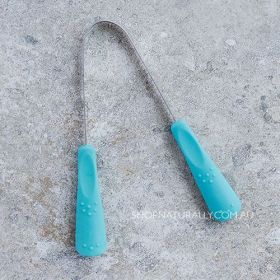 Dr TungsDr Tung's Stainless Steel Tongue CleanerStainless Steel tongue cleaner (#1 selling) that aids to remove the bacteria that cause bad breath.View product details$9.95
-
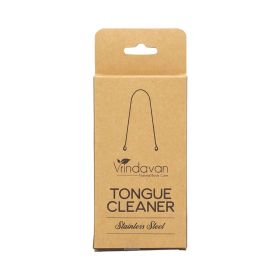 VrindavanVrindavan Tongue Cleaner Stainless SteelDesigned to clean the bacterial build-up from the surface of the tongue that cause bad breath.View product details$7.95
-
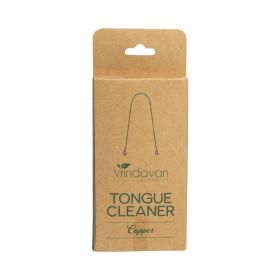 VrindavanVrindavan Tongue Cleaner CopperDesigned to clean the bacterial build-up from the surface of the tongue that cause bad breath. The natural antibacterial and antimicrobial properties of copper help kill …View product details$12.95
-
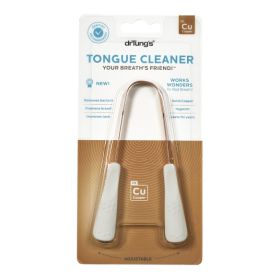 Dr TungsDr Tung's Copper Tongue CleanerCopper tongue cleaner that aids to remove the bacteria that cause bad breath.View product details$14.95
Copper or Stainless Steel Tongue Scraper?
Both materials provide a washable, reusable tongue cleaner. The clearest differences relate to appearance and care rather than one material being universally better. The scraper’s shape, width and grip can also affect handling, so it’s worth considering the complete design rather than choosing by metal alone.
| Type | Material characteristics | Why you might choose it |
|---|---|---|
| Copper tongue scraper | Warm-toned reusable metal that naturally oxidises and may develop tarnish or patina over time. | A traditional material choice for customers who are comfortable with natural changes in appearance and following the product’s specific care guidance. |
| Stainless steel tongue scraper | Durable reusable metal that is straightforward to rinse and doesn’t develop copper-style patina. | A familiar, easy-care option if you prefer a tongue scraper that generally retains a more consistent finish. |
Is copper or stainless steel easier to maintain?
Stainless steel generally retains its original appearance more readily, while copper naturally changes colour as it oxidises. Both need to be rinsed after use, washed thoroughly and allowed to dry. For any deeper cleaning, use the method recommended for the individual scraper rather than applying the same cleaning agent to both metals.
Does the material change how the scraper feels?
The complete construction matters as much as the metal. The width and curve of the scraping edge, the design of the handles and the flexibility of the individual product can all affect control. Two stainless steel models, for example, won’t necessarily feel identical simply because they use the same material.
Which option is better for a sensitive gag reflex?
Neither metal is automatically better for gag sensitivity. A design that gives you comfortable control over placement and pressure is likely to matter more. Start around the middle of the tongue and gradually position the scraper further back only if that remains comfortable. You don’t need to reach deeply into the mouth for the tool to collect surface coating.
Frequently Asked Questions About Tongue Scrapers
Does tongue scraping help with bad breath?
Cleaning the tongue can remove some of the coating and debris that may contribute to everyday mouth odour, so it can be a useful part of a broader oral-hygiene routine. It isn’t a cure for persistent bad breath, which can have several causes. If bad breath continues despite regular oral care, speak with a dentist or appropriate healthcare professional rather than scraping more firmly or more frequently.
Can you share a tongue scraper?
It’s better for each person to have their own tongue scraper, just as they would have their own toothbrush. This keeps a personal oral-care tool for individual use and removes any uncertainty about cleaning between users. If several tongue cleaners are kept in the same bathroom, storing them separately can also make it easier to tell them apart.
Does a tongue scraper replace brushing, flossing or mouthwash?
No. A tongue scraper cleans the surface of the tongue, while brushing cleans the teeth and floss reaches between them. Mouthwash is a rinse and performs a different role again. If you enjoy using an alcohol free mouthwash, it can sit alongside tongue scraping and the rest of your routine according to its directions.
Is a tongue scraper the same as a tongue brush?
No. A tongue scraper uses a smooth edge to draw coating and debris forwards, while a tongue brush uses bristles. Both are intended for physical tongue cleaning, but the experience is different. Some customers prefer the controlled movement and smooth surface of a scraper, while others are more accustomed to brushing their tongue with a toothbrush.
How often should I replace a metal tongue scraper?
A reusable metal scraper doesn’t have the same routine replacement schedule as a toothbrush. Its condition and the manufacturer’s guidance are more useful indicators. Replace it if the scraping edge becomes rough, damaged or difficult to clean. Copper may darken or develop patina naturally, and this appearance change alone doesn’t necessarily mean it needs replacing.
Practical Tips for Using a Tongue Scraper
A little control goes a long way with a tongue scraper. The aim is to lift surface coating gently, not to apply enough pressure to make the tongue look completely clear after every use.
Begin where it feels comfortable
Extend your tongue and place the curved edge towards the back, but only as far as you can comfortably reach. Draw the scraper forwards in one smooth movement. If you have a sensitive gag reflex, start around the middle of the tongue and move the starting point back gradually as you become familiar with the tool. There’s no advantage in forcing it further than feels manageable.
Use light, controlled pressure
Tongue scraping shouldn’t hurt. Start gently and let the edge of the scraper do the work rather than pressing firmly or making many forceful passes. Stop if you experience pain, bleeding or persistent irritation. Avoid scraping over sores or injured tissue, and seek appropriate advice if pain or unusual tongue changes continue.
Rinse between passes
Rinse the scraper after each pass to wash away the material it has collected instead of moving it around the tongue. Once you’ve finished, wash the tool thoroughly and allow it to dry. Copper may naturally develop tarnish or patina, while stainless steel usually retains its original appearance more easily. Use the manufacturer’s care method for deeper cleaning, as the appropriate approach can differ between materials and finishes.
Keep tongue cleaning in context
A scraper is an additional cleaning tool rather than a complete dental-care routine. Continue brushing with a bamboo toothbrush and your preferred natural toothpaste, and clean between the teeth with natural dental floss. If persistent coating, altered taste or bad breath remains a concern, a dentist or appropriate healthcare professional can help assess possible causes rather than relying on tongue scraping alone.