
-
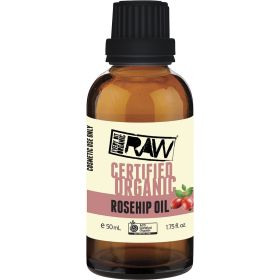 Every Bit OrganicEvery Bit Organic Rosehip Oil 50mlHelps with wrinkles and fine lines, hyperpigmentation, acne scarring and more.View product details$32.95
 -
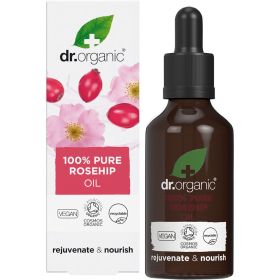 Dr OrganicDr Organic Rosehip Oil 100% Pure 50mlNourish and rejuvenate your skin naturally with our Rosehip OilView product details$32.95
How rosehip oil compares with other plant oils
Rosehip stands out in this group as a relatively lightweight oil with a strong facial-skincare focus. The right choice depends on whether you want a dedicated face oil, a richer texture or greater versatility across skin, hair and scalp care. Textures can vary between individual products and blends.
| Oil | Typical feel and focus | When to consider it |
|---|---|---|
| Rosehip | Relatively lightweight and emollient, naturally containing fatty acids including omega-3 and omega-6, with a strong focus on facial skincare. | Consider it when you want a face-focused oil for softening skin and helping reduce moisture loss, particularly within dry, dehydrated or mature-skin routines. |
| Argan | Usually lightweight to medium in feel and commonly used across facial, body and hair routines. | Consider argan when you want one plant oil with broader multi-purpose versatility rather than a predominantly face-focused option. |
| Batana | Generally richer in feel, with a stronger focus on hair and scalp care. | Consider batana when rich hair conditioning is your main priority. Rosehip is the more targeted choice when facial skincare is the primary use. |
| Castor | Very thick, viscous and substantially heavier than rosehip oil. | Consider castor when you specifically want a dense emollient oil for targeted skin care or other cosmetic uses supported by the product directions. Rosehip is easier to incorporate when you prefer a lightweight facial oil. |
| Hemp seed | Light and fluid, with uses across face and body care and naturally occurring omega-3 and omega-6 fatty acids. | Consider hemp seed oil when you want another lightweight option with broader skin-care versatility. Compare the individual formula, aroma, storage requirements and intended uses. |
| Jojoba | Technically a liquid wax rather than a conventional plant oil, with a light, smooth feel and broad cosmetic versatility. | Consider jojoba when you want one simple option that may be suitable for face, body, hair and scalp use. Rosehip has a stronger facial-skincare focus. |
For a straightforward decision, start with your main use. Rosehip is particularly well suited to a lightweight, face-focused routine; jojoba and argan offer broader multi-purpose versatility; hemp seed is another light option for skin care; while castor and batana provide substantially richer textures. Always compare the individual product formula and directions, as blended oils can behave quite differently from single-ingredient oils.
Rosehip oil FAQs
How do I use rosehip oil on my face?
After cleansing and applying any water-based products, apply a small amount of rosehip oil according to the product directions and gently smooth or press it over the face. It can be used alone or alongside moisturiser, depending on the formula and your preferred routine. Rosehip oil may be used in the morning or evening where consistent with the directions.
Can rosehip oil replace moisturiser?
It depends on your skin and the formula. Rosehip oil acts as an emollient, helping to soften the skin and reduce moisture loss, but it does not provide the same combination of water and oil as a conventional moisturiser. Some people enjoy using facial oil alone, while dry or dehydrated skin may prefer moisturiser followed by rosehip oil for a more nourishing finish.
Is rosehip oil a natural alternative to retinol?
Rosehip oil is sometimes chosen by people who prefer a botanical facial oil instead of using retinol, but the two are not equivalent. Retinol is a specific form of vitamin A used in formulated skincare products. Rosehip is a plant oil containing fatty acids and naturally occurring carotenoids, and should not be described as a natural form of retinol or expected to provide the same effects.
Is rosehip oil the same as rose essential oil?
No. Rosehip oil is a carrier oil obtained from the fruit or seeds of rose species. Rose essential oil is a highly concentrated aromatic ingredient obtained from rose flowers and is used very differently. Check the ingredient list if you specifically want pure rosehip oil rather than a fragranced facial oil or blend.
Can rosehip oil remove scars, stretch marks or signs of ageing?
Rosehip oil can moisturise and soften the skin, which can help it look and feel well conditioned. It should not be expected to remove scars or stretch marks, fade pigmentation, repair sun damage or reverse skin ageing. Its emollient properties can still make it a useful addition to facial and body-care routines where extra nourishment is wanted.
How should rosehip facial oil be stored?
Follow the storage instructions supplied with the individual product. In general, keep the bottle securely closed and protect it from unnecessary heat and direct sunlight. Check any expiry or period-after-opening information provided and discontinue use if the oil develops an unexpected change in smell, colour or consistency.
Getting the best from your rosehip facial oil
Rosehip oil is relatively lightweight, but you still don't need a lot to cover the face. Start with a small amount, warm it lightly between clean fingertips and press or smooth it over the skin. If the finish feels oilier than you prefer, try using less at your next application rather than assuming the oil itself is too rich for your routine.
Apply it to slightly damp skin
Rosehip oil works as an emollient, helping to soften the skin and reduce moisture loss rather than adding water-based hydration. Try applying it while your skin is still slightly damp after cleansing or after a hydrating serum or moisturiser. A small amount generally spreads more easily this way and can leave a lighter finish.
Use it with your moisturiser
You don't have to choose between rosehip oil and moisturiser. Apply your moisturiser first and follow with rosehip oil when you want a more nourishing finish, or mix a small amount with the moisturiser in your palm immediately before application if the products work comfortably together. Avoid adding oil directly to the moisturiser container.
Adjust it for morning and evening
If you enjoy rosehip oil during the day, use a small amount and allow it to settle before applying sunscreen and makeup. In the evening, you may prefer a slightly more nourishing application when a richer finish isn't an issue. Rosehip oil does not provide sun protection, so sunscreen remains an important separate step during the day.
Don't stop at your jawline
Extend rosehip oil over the neck and décolletage as part of your facial skincare routine. Any oil remaining on your hands can be smoothed over dry-feeling areas such as the backs of the hands, elbows or cuticles rather than being washed away. This gives rosehip some useful multi-tasking potential while keeping its main focus firmly on skin care.
Look after what's in the bottle
Rosehip oil contains a relatively high proportion of polyunsaturated fatty acids, so sensible storage helps protect it from unnecessary exposure to heat, light and air. Close the bottle promptly after use and store it according to the product directions. If you're choosing between bottle sizes, remember that facial oil is used sparingly; a larger bottle isn't necessarily better value if you won't use it while it's at its best.


