
-
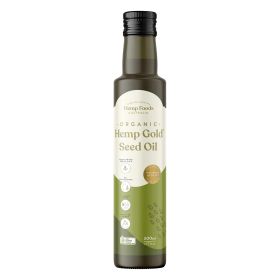 Hemp Foods AustraliaHemp Foods Organic Hemp Gold Seed Oil 500mlThe perfect finishing oil for salads, pasta, stir fries and more. Light nutty flavour.View product details$24.95
 -
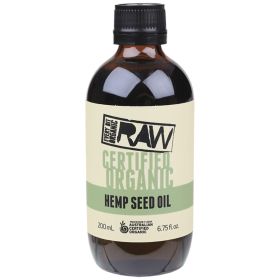 Every Bit OrganicEvery Bit Organic Hemp Seed Oil 200mlHigh in Omega 3 and Omega 6 essential fatty acids + essential minerals. Apply to skin, suits ageing skin and those with psoriasis.View product details$18.95
Hemp seed oil vs other pure oils
Hemp seed oil stands out for its relatively light, fluid texture and naturally occurring omega-3 and omega-6 fatty acids. It is an easy multi-tasker for face and body care and can also cross into hair care, making it worth considering if you want versatility without the richness of heavier oils such as castor or batana.
| Oil | What it's like | When to consider it |
|---|---|---|
| Hemp seed oil | Light and fluid, with naturally occurring omega-3 and omega-6 fatty acids. | Choose it if you want a lightweight multi-purpose oil for face and body care that can also be used on the hair where suitable. |
| Argan oil | A versatile emollient oil with a light to medium feel. | Consider argan if you want another all-rounder with particularly well-established uses across facial skincare and dry-feeling hair. |
| Batana oil | Rich and substantial, with a stronger emphasis on hair and scalp care. | Consider batana if hair conditioning is a priority and you prefer a richer oil while still wanting broader skin uses. |
| Castor oil | Very thick, rich and viscous. | Consider castor if you actively want a dense emollient oil rather than hemp seed oil's lighter, easier-spreading texture. |
| Jojoba oil | A light, smooth liquid wax that spreads easily. | Consider jojoba if you want similar multi-purpose versatility and a lightweight feel for face, body, scalp and hair care. |
| Rosehip oil | A lightweight plant oil strongly associated with facial skincare. | Consider rosehip if your main priority is a dedicated facial oil rather than the broader multi-purpose uses of hemp seed oil. |
Hemp seed oil sits towards the lighter end of this group, making it particularly useful when you want an oil that can move easily between different parts of your routine. Argan and jojoba offer similar multi-purpose versatility, rosehip has a stronger facial-skincare focus, while batana and castor provide distinctly richer alternatives. Your choice comes down largely to where you want to use the oil and how light or substantial you prefer it to feel.
Hemp seed oil skincare FAQs
Can I use hemp seed oil on my face?
Yes. Hemp seed oil can be used as a facial oil to help soften and moisturise the skin. Its relatively light, fluid texture makes it easy to spread, so start with a small amount and add more only if needed. It can be used alone or alongside other skincare products as part of your regular routine.
Can I use the hemp seed oil in my kitchen on my skin?
Yes. If you have plain food-grade hemp seed oil in your kitchen, it can also be applied topically to the skin. You don't need a separate oil simply because you want to use hemp seed oil on your face or body. A cosmetic hemp seed oil may come in packaging that makes dispensing small amounts more convenient, while culinary oil is generally packaged with food use in mind.
What omega fatty acids are found in hemp seed oil?
Hemp seed oil naturally contains polyunsaturated fatty acids, particularly linoleic acid (omega-6) and alpha-linolenic acid (omega-3), along with smaller amounts of other fatty acids. When used topically, the oil acts as an emollient, helping to soften the skin and reduce moisture loss.
Is hemp seed oil the same as CBD oil?
No. Hemp seed oil is pressed from the seeds of the hemp plant and is not the same product as CBD oil. CBD products contain cannabidiol, while plain hemp seed oil is valued as a food and cosmetic plant oil for its fatty-acid composition. The word “hemp” on its own does not mean that a product contains CBD.
Is hemp seed oil suitable for dry or oily skin?
Hemp seed oil's relatively lightweight texture can make it useful across different skincare routines. It provides an emollient layer for dry-feeling skin without the substantial texture of oils such as castor or batana. If your skin tends to feel oily, start with just a small amount and adjust according to the finish you prefer.
Can hemp seed oil be used on hair?
Hemp seed oil can also be used as a multi-purpose oil for hair care. A small amount can be worked through dry-feeling lengths or ends, and products intended for scalp use can be applied there as directed. Its lighter texture may appeal if you find richer oils too heavy for your hair.
How should hemp seed oil be stored?
Hemp seed oil is rich in polyunsaturated fatty acids and should be protected from unnecessary heat, light and air. Keep the container securely closed and follow its storage directions. Food-grade hemp seed oil may require refrigeration after opening, so follow the instructions on your kitchen bottle if you're also using it for skincare.
Getting the best from hemp seed oil
Hemp seed oil's light, fluid texture makes it one of the easier pure oils to work into an everyday routine. You don't need much: start with a few drops for the face and adjust the amount depending on where you're using it. Its versatility means the same oil can move between face, body and hair care without requiring a complicated routine.
Try it on slightly damp skin
Apply hemp seed oil while your skin is still slightly damp after cleansing or showering, or after a water-based skincare product. The oil spreads readily, and applying a small amount this way can help you cover the skin without leaving a heavier layer than you want.
Use more on the body, less on the face
The amount that works well on your arms or legs may be far more than you need on your face. Start sparingly for facial skincare, then use a little more when smoothing hemp seed oil over larger areas of dry-feeling body skin. If you're already using moisturiser, experiment with a few drops alongside it rather than assuming you need a separate oil step.
Give dry hair ends a little attention
Hemp seed oil can also be used sparingly on dry-feeling hair. Start with a drop or two, rub it between your palms and smooth it through the lengths or ends. Fine hair generally needs very little, while thicker or drier hair may accommodate more. Using small amounts makes it easier to find the point where hair feels conditioned without looking oily.
Look after the oil
Hemp seed oil's naturally high proportion of polyunsaturated fatty acids means it deserves a little more attention to storage than some more stable oils. Keep it securely closed and away from unnecessary heat and light, and follow any refrigeration instructions on the bottle. Don't keep an open bottle sitting somewhere warm simply because it's being used as skincare rather than food.
Already have some in the kitchen? Use it
If you already have a bottle of plain food-grade hemp seed oil for salads, dressings or other culinary uses, there's no need to buy another bottle just to try it on your skin. Pour or dispense a small amount cleanly rather than dipping fingers into the bottle, then return it to its recommended storage conditions. One bottle really can multi-task between the kitchen and your personal care routine.


