
-
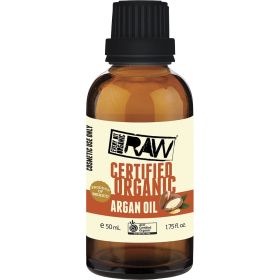 Every Bit OrganicEvery Bit Organic Argan Oil 50mlUse this pure organic argan on oil your skin and hair for moisture.View product details$29.95
 -
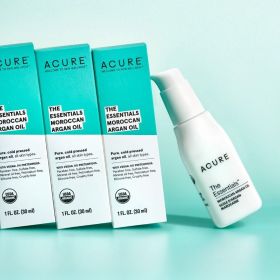 Acure OrganicsAcure The Essentials Argan Oil 30mlArgan Oil helps to fight lines, repair imperfections and minimize scars. It improves skin texture and elasticity and is a fantastic conditioning treatment for the hair.View product details$36.95
 -
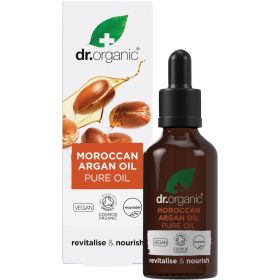 Dr OrganicDr Organic Moroccan Argan Oil Pure Oil 50mlPure Moroccan Argal Oil to use on skin, hair, nails and lipsView product details$39.95
 -
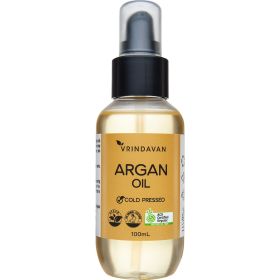 VrindavanVrindavan Argan Oil Cold Pressed 100mlCold pressed 100% pure organic oil. Versatile serum for skin and hair.View product details$44.95
 -
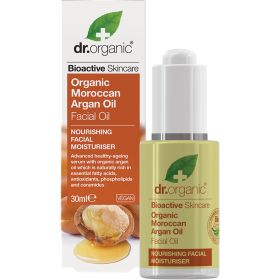 Dr OrganicDr Organic Moroccan Argan Oil Facial Oil 30mlA nourishing facial oil blend for normal to dry skin for healthy ageingView product details$24.95
Argan oil vs other pure facial oils
Argan oil is one of several pure plant oils that can be used as part of a skincare routine, but different oils vary in texture, composition and how they are commonly used. If you are deciding between argan oil and another single oil, the comparison below can help narrow down which one may suit your routine.
| Oil | What it's like | When to consider it |
|---|---|---|
| Argan oil | A versatile emollient oil with a nourishing feel that helps soften and moisturise dry skin. | A good all-round choice for facial skincare, particularly for dry, dehydrated or mature skin, with the versatility to also be used on the body and hair. |
| Batana oil | A rich oil traditionally derived from the American oil palm and commonly used in hair care. | Consider it when hair and scalp use is your main priority rather than choosing an oil primarily for facial skincare. |
| Castor oil | A very thick, rich oil with a distinctly heavier and more viscous texture than argan oil. | Consider it when you specifically want a heavier oil or for uses where castor oil is traditionally chosen. Its thick texture may be less appealing if you want a light everyday facial oil. |
| Hemp seed oil | A plant oil with a lighter feel and a fatty-acid profile that includes omega-3 and omega-6 fatty acids. | Worth considering if you prefer a lighter-feeling facial oil rather than the richer feel of some other pure oils. |
| Jojoba oil | Technically a liquid wax rather than a triglyceride oil, with a light, smooth feel that makes it popular in facial and body care. | A versatile option if you want a simple, lightweight product for skin, face or hair. |
| Rosehip oil | A lightweight facial oil naturally containing fatty acids and carotenoids, widely used in facial skincare. | Consider it if your main focus is a dedicated facial oil, particularly for dry or mature skin and supporting a soft, well-moisturised appearance. |
There is no single pure oil that suits everyone. Argan and jojoba are particularly versatile choices when you want one oil with several possible uses, while rosehip is strongly associated with facial skincare. Hemp seed oil offers another lighter-feeling option, castor oil is considerably thicker, and batana oil is more commonly selected for hair care. Whichever you choose, check the individual product directions and ingredient list before use.
Argan oil for face FAQs
Is argan oil suitable for use on the face?
Yes. Pure argan oil is commonly used as a facial oil and works as an emollient to help soften and moisturise the skin. It can be particularly useful when skin feels dry or tight. Check the directions on your chosen product to confirm its recommended uses.
How do I use argan oil on my face?
Follow the directions for your particular product, as the recommended amount can vary. Generally, only a small amount of facial oil is needed. Apply it to clean skin as directed and gently smooth or press it over the face and neck. Start with less and add more if needed.
Can I use argan oil every day?
Argan oil can be suitable for regular use when this is consistent with the product directions and your skin responds well to it. Some people use facial oil daily, while others prefer it only when their skin feels particularly dry. The amount and frequency can be adjusted to suit your routine.
Does argan oil replace moisturiser?
Not necessarily. Argan oil helps soften the skin and reduce moisture loss, while many moisturisers also contain water and humectant ingredients that provide hydration. You can use argan oil alone if that suits your skin or combine it with other moisturising products as part of your routine.
Can argan oil be used on hair as well as the face?
Many pure argan oils are suitable for both skin and hair. Depending on the product directions, a small amount can be applied to the hair or dry ends as well as the face and body. This can make a larger bottle useful if you want one oil for several purposes.
Is argan oil suitable for sensitive or blemish-prone skin?
Skin responses vary, so no facial oil will suit everyone. If your skin is sensitive or prone to blemishes, check the complete ingredient list and consider patch testing before applying the product more widely. Discontinue use if irritation occurs.
Does pure argan oil have a smell?
Pure, unfragranced argan oil may have its own natural aroma, which can vary depending on how the oil has been processed. Check the ingredient list if you specifically want an argan oil without added fragrance, and refer to the individual product information for any description of its scent.
Getting the best from your facial argan oil
With pure argan oil, a little can go a long way. Start with a small amount and add more only if your skin needs it. Using too much is more likely to leave a greasy finish than provide any additional benefit. Gently press or smooth the oil over the skin rather than applying a heavy layer.
Try applying it to slightly damp skin
Facial oil can be applied when the skin is still slightly damp from a water-based serum, mist or moisturiser. The oil itself does not add water to the skin, but using it alongside hydrating products can help create a more comfortable routine for dry or dehydrated skin. Follow the directions for your individual products when deciding how to layer them.
Adjust the amount to your routine
You don't necessarily need the same amount of argan oil every day. Dry weather, air conditioning and changes to the other products in your routine can all affect how much feels comfortable. If your face remains noticeably oily long after application, try using less next time rather than assuming your skin cannot use facial oil.
Allow time before sunscreen or makeup
If you use argan oil in the morning, give it time to settle before applying your sunscreen or makeup. Too much oil underneath other products can affect how they sit on the skin, so keep the application light. Argan oil does not replace sunscreen and should not be relied upon for sun protection.
Make use of any excess
If you dispense more than you need for your face, smooth the remaining oil over your neck, hands or other dry areas where permitted by the product directions. Many pure argan oils can also be used sparingly on the hair, making them useful beyond your facial skincare routine.
Keep the bottle securely closed between uses and follow any storage instructions on the label. If you have sensitive skin or are trying argan oil for the first time, consider patch testing before applying it more widely and discontinue use if irritation occurs.


