
-
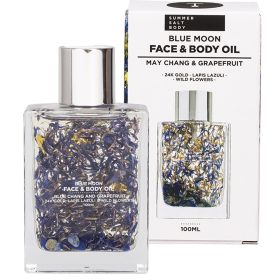 Summer Salt BodySummer Salt Body Face & Body Oil 24K Gold Blue Moon Lapis Lazuli 100ml24K GOLD - WILD FLOWERS - LAPLIS LAZULI CRYSTALSView product details$60.00
 -
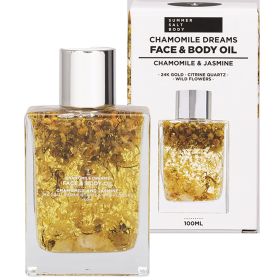 Summer Salt BodySummer Salt Body Face & Body Oil 24K Gold Chamomile Citrine Quartz 100mlOur Chamomile Oil will nourish and nurture tired skin.View product details$60.00
 -
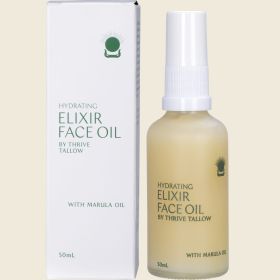 Thrive TallowThrive Tallow Hydrating Elixir Face Oil 50mlQuench your skin with our Hydrating Elixir Face Oil, powered by Marula oil.View product details$45.00
 -
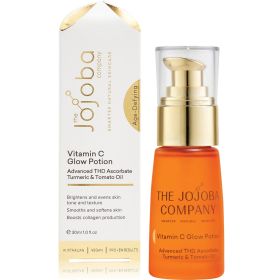 The Jojoba CompanyThe Jojoba Company Vitamin C Glow Potion Advanced THD Ascorbate 30mlA vitamin-rich, lightweight facial oil to enhance luminosity and reduce redness for radiant, healthy skin.View product details$59.95
 -
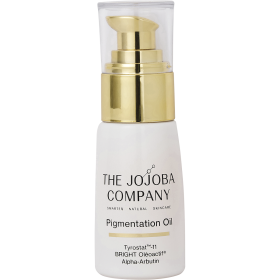 The Jojoba CompanyThe Jojoba Company Jojoba Pigmentation Oil 30mlTarget dark spots and uneven skin tone with this powerful natural pigmentation oil.View product details$49.95
 -
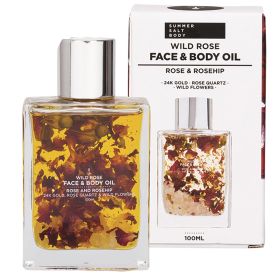 Summer Salt BodySummer Salt Body Face & Body Oil 24K Gold Wild Rose Rose Quartz 100ml24K GOLD - WILD FLOWERS - ROSE QUARTZView product details$60.00
Facial Oil Blend vs Pure Face Oil
Blended and pure facial oils offer different ways to add an oil to your skincare routine. A blend provides a ready-made combination, while a pure oil keeps the formula focused on the characteristics of one particular oil.
| Feature | Facial oil blend | Pure facial oil |
|---|---|---|
| Oils | Usually combines multiple oils | Usually contains one main oil |
| Formula | Blended to create a particular texture or cosmetic purpose | Centred on the natural characteristics of the chosen oil |
| Texture | Can be adjusted by combining oils in different proportions | Reflects the characteristic feel of that oil |
| Additional ingredients | May include vitamins, extracts or other oil-soluble ingredients | Usually minimal |
| Multi-purpose use | Depends on the individual product | Often suited to face, body or hair use |
| May suit | Someone wanting a formulated, ready-made combination | Someone who prefers a simple product featuring a specific oil |
Is an oil blend better than a pure oil?
No. Blending allows a formulator to combine oils with different textures and characteristics, and potentially include other oil-soluble ingredients. A pure oil offers simplicity and may have broader multi-purpose uses. It’s a preference, not a hierarchy.
Facial Oil Blend vs Face Serum
Some oil-based serums look very similar to facial oil blends. Product names aren’t rigid scientific categories, so the ingredients, texture and directions are often more informative than the word used on the bottle.
| Feature | Facial oil blend | Face serum blend |
|---|---|---|
| Base | Predominantly oils | May be water-based, oil-based or another format |
| Texture | Oil-based, from light to rich | Varies widely from fluid to rich |
| Main role | Emollience and conditioning, plus product-specific benefits | Usually formulated around targeted cosmetic purposes |
| Humectants | Generally not the primary focus | Common in water-based formulas |
| Plant oils | Central to the formula | May or may not be included |
Facial Oil Blends FAQ
What is a facial oil blend?
A facial oil blend is a formulated product containing multiple oils and, in some cases, other oil-soluble skincare ingredients. The oils may be combined to create a particular texture, finish or cosmetic purpose. This differs from a pure facial oil, which usually features one main oil.
Does face oil go before or after moisturiser?
It depends on the formula and the rest of your routine. Some facial oils are used before moisturiser, some after it and others as the moisturising step. The product directions are the best guide because there isn’t one layering order that works for every facial oil blend.
Do all facial oil blends contain essential oils?
No. Some formulas include essential oils or fragrance, while others are unscented. Essential oils are separate from the carrier oils that usually form the base of a facial oil blend. If fragrance is important to your decision, the complete ingredient list will show how the individual product is formulated.
Can I use facial oil under makeup?
Yes, potentially. A lightweight face oil that has had time to settle may sit comfortably beneath some complexion products. Richer oils can change the finish or wear of certain foundations, so begin with a modest amount and allow it to settle before applying makeup.
Can I use facial oil every day?
Many facial oils are made for regular use, although frequency can vary with the formula and your skincare preferences. You might use an oil morning and night, keep a richer blend for the evening or apply it only when your skin feels as though it would benefit from extra conditioning.
Expert Advice for Using Facial Oils
A few small adjustments can make a facial oil blend much easier to fit into your skincare routine, particularly if you’re moving from a lighter serum or moisturiser.
Don’t judge every face oil by the first one you try
Botanical oils vary considerably in texture, and blending them changes the finished feel again. One formula may spread quickly and leave a light finish, while another feels rich and substantial. If one oil felt too heavy or too light, a different blend may provide a noticeably different experience.
Start with less than you think
Oils spread readily, and richer blends may only require a small amount. Use the product directions as your starting point, distribute the oil gently and add more only if needed. Applying extra oil doesn’t necessarily provide extra moisture; it may simply leave a heavier finish.
Give each layer time to settle
When combining facial oil with serum, moisturiser or makeup, allowing each layer a little time to settle can reduce unnecessary rubbing and help you judge the final skin feel. This is particularly useful before foundation, as excess surface oil can alter the finish or wear of some makeup formulas.
Introduce one unfamiliar product at a time
Adding several new skincare products together makes it difficult to tell which formula is responsible if your skin responds unexpectedly. Introducing a facial oil blend on its own gives you a clearer sense of its texture and how it works with the products already in your routine. Follow any manufacturer patch-testing guidance provided.
Look after the oil and its applicator
Avoid touching a dropper directly to your face or fingers where possible, and close the bottle promptly after use. Follow the labelled storage directions and keep the product away from unnecessary heat and light. Plant oils differ in stability, so appropriate storage helps protect the formula throughout its recommended period of use.


