
-
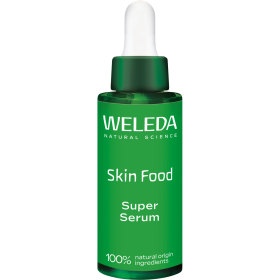 WeledaWeleda Skin Food Super Serum 30mlA lightweight, natural serum delivering instant hydration, glow and skin barrier support for dry or dehydrated skin.View product details$35.95
 -
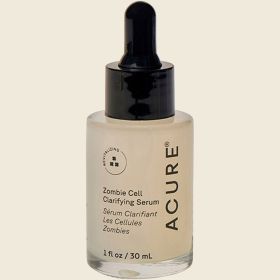 Acure Zombie Cell Clarifying Serum 30mlA concentrated serum designed to inhibit the accumulation of zombie cells, the lurking culprit of premature signs of aging.View product details$39.95
 -
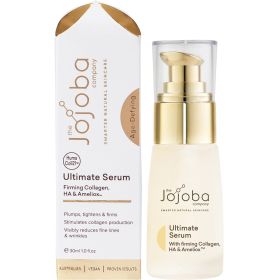 The Jojoba CompanyThe Jojoba Company Ultimate Serum With Firming Collagen, HA & Ameliox 30mlxExperience the power of nature with this high-performance anti-ageing serum, clinically proven to boost collagen production and enhance skin elasticity.View product details$69.95
 -
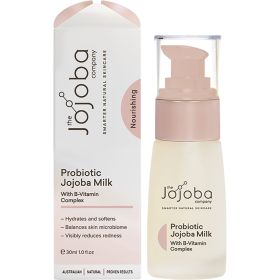 The Jojoba CompanyThe Jojoba Company Probiotic Jojoba Milk with B-Vitamin Complex 30mlA weightless, hydrating serum for a restored and elevated skin barrier.View product details$45.95
 -
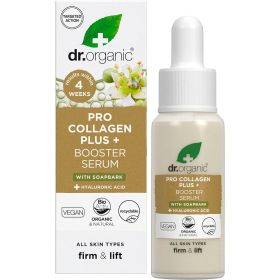 Dr OrganicDr Organic Pro Collagen Plus+ Booster Serum Soapbark 30mlPro Collagen Plus+ Booster Serum for mature and normal skinView product details$24.95
 -
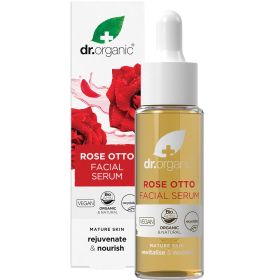 Dr OrganicDr Organic Rose Otto Facial Serum 30mlA facial serum blend for mature skin on a base of jojoba and sweet almond oil, featuring rose otto as the active.View product details$26.95
 -
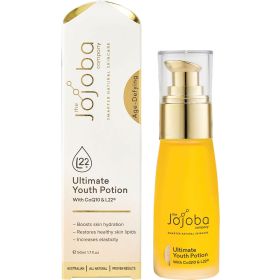 The Jojoba CompanyThe Jojoba Company Jojoba Ultimate Youth Potion with CoQ10 & L22® 50mlThe visible results you'd expect from a serum, now in our most loved facial oil.View product details$49.95
 -
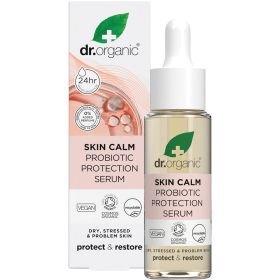 Dr OrganicDr Organic Skin Calm Probiotic Protection Serum 30mlProtect and restore dry, stressed and problem skin with our Skin Calm Probiotic Protection SerumView product details$34.95
Face Serum vs Facial Oil
Names alone don't reveal how a product will feel. Face serum blends can be lightweight, creamy or oil-rich, while facial oils also vary in richness. These comparisons focus on each format's role and formulation rather than assuming that every serum is water-based.
| Feature | Face Serum Blend | Facial Oil |
|---|---|---|
| Formula | Multiple skincare ingredients combined for a targeted cosmetic purpose | Predominantly oil-based |
| Texture | Ranges from almost weightless to rich and oil-like | Ranges from light to rich, depending on the oils |
| Main role | May focus on hydration, conditioning, radiance or smoother-looking skin | Primarily provides emollience and conditioning |
| Humectants | Common in many formulas | Generally not the main feature |
| Plant oils | May be included or form a substantial part of the base | Central to the formula |
| Place in a routine | Depends on the formula and directions | Depends on the formula and directions |
Can a Serum Be Oil-Based?
Yes. Serum isn't synonymous with oil-free or water-based. Some facial serums use oils as a significant part of their base and sit quite close to facial oils in texture. The complete ingredient list and product directions give a more accurate picture than the word serum alone.
Face Serum Blend vs Pure Facial Oil
| Feature | Serum Blend | Pure Facial Oil |
|---|---|---|
| Ingredients | Multiple ingredients in one formulation | Usually one oil |
| Purpose | Created around particular cosmetic goals | Provides the characteristics of the individual oil |
| Texture | Highly variable | Determined largely by the chosen oil |
| Typical use | Usually formulated as a targeted facial skincare step | Often suitable for broader face, body or hair use where directed |
| Best suited to | Someone wanting a multi-ingredient formula with a defined role | Someone who prefers a simple, versatile oil |
If a single ingredient is closer to what you want, consider Argan Oil, Batana Oil, Castor Oil, Hemp Seed Oil, Jojoba Oil or Rosehip Oil. For an oil-based combination rather than one pure oil, Facial Oil Blends provide the closer comparison.
Face Serum FAQ
What does a face serum do?
It depends on the complete formula. A face serum is a targeted skincare product that may focus on hydration, conditioning, radiance, smoother-looking skin or the appearance of firmness and elasticity. Some formulas combine several of these purposes. The word serum doesn't describe one particular texture or ingredient base, so the intended cosmetic role is the most useful starting point.
What's the difference between serum and moisturiser?
A serum generally provides a more targeted step, while a moisturiser is primarily formulated to moisturise and condition the skin. There can be considerable ingredient overlap, and some richer serums may feel closer to moisturisers than lightweight formulas do. Consider what each product contributes rather than assuming you need both categories in every routine.
Does serum go before moisturiser?
Usually, lightweight serums are applied before moisturiser, but the individual formula and directions matter. A common order is cleanser, optional toner or mist, lightweight serum, moisturiser and daytime SPF. Richer or oil-based serums may be used differently, so follow the application order provided for your chosen product.
Can I use face serum every day?
Yes, many face serums are intended for daily use, with some suitable for morning and evening. Others contain ingredients that come with different frequency or daytime and night-time directions. Start with the recommended amount and schedule for the individual formula rather than assuming that more frequent application will produce a better result.
Can I use two face serums together?
Potentially, but there isn't an inherent benefit in building a large stack of serums. Consider ingredient overlap, texture and what your moisturiser or toner already contains. Take particular care when combining exfoliating ingredients, retinoids or other active formulas. Introducing products separately also makes it easier to see how each one fits your skin and routine.
Practical Tips for Using Face Serum
A few small adjustments can make a new facial serum easier to fit into your routine, particularly when its texture or ingredients differ from products you've used before.
Introduce One New Formula at a Time
Adding one new skincare product at a time gives you a clearer sense of how its texture, finish and ingredients work for your skin. This is especially useful with exfoliating ingredients, retinoids or other active formulas. If several products change at once, it becomes much harder to identify which one is responsible if your skin doesn't feel comfortable.
Use the Recommended Amount and Frequency
More isn't automatically better. Application amounts and frequency differ between formulas, particularly when a serum contains active ingredients. Begin with the product's directions rather than adding extra drops or applications. A rich serum may also need less product than a very fluid formula to spread comfortably across the face.
Give Each Layer Time to Settle
If products pill, ball up or feel unusually heavy together, allow each layer a little more time to settle before applying the next. Using smaller amounts can also help. Pilling may come from the combination of formulas rather than the performance of one product, so try simplifying the routine before giving up on the serum altogether.
Don't Judge Performance by Tingling
A tingling sensation isn't evidence that a face serum is working more effectively. If a product causes persistent burning, significant redness or irritation, stop using it rather than trying to push through. If irritation continues or you have a diagnosed skin condition, seek advice from an appropriate healthcare professional.
Look After the Formula and Applicator
Store the serum according to its packaging directions, as exposure to heat or direct sunlight may not suit every formulation. If the bottle has a dropper, avoid touching it directly to your face or fingers before returning it to the bottle. This small habit helps keep the applicator and remaining product cleaner during regular use.


