
Other products in our moisturiser range
-
 Mother SPF Tinted Base Mineral Sunscreen SPF50 50gA lightweight, tinted mineral facial sunscreen with SPF 50 protection, hydrating skin care ingredients and a sheer, natural-looking finish.View product details$68.00
-
 Little UrchinLittle Urchin FACE Light/Medium Tint Natural Sunscreen SPF 50+ 50gA lightweight, vegan tinted zinc sunscreen with SPF 50+ protection, natural ceramides, pink algae and a radiant light/medium finish.View product details$24.95
-
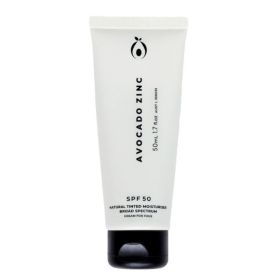 Avocado ZincAvocado Zinc SPF50 Tinted Moisturiser 50mlA natural vegan tinted moisturiser with SPF50 coverage to even out skin tone, hide blemishes and blends well with all skin colours. Choose from 3 different shade.View product detailsSave 13%
-
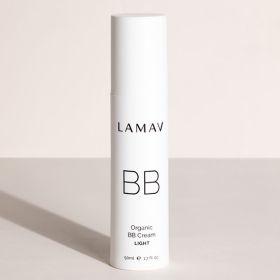 La MavLa Mav Organic BB Cream 2 ShadesA lightweight BB cream designed to help hydrate the skin while providing sheer natural-looking coverage and radiance.View product detailsSave 15%
-
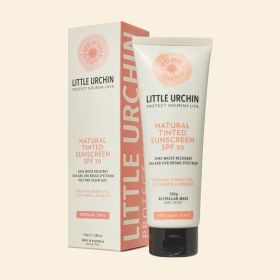 Little UrchinLittle Urchin Natural Tinted Sunscreen SPF30 100g3 hours water resistant. Broad Spectrum UVA & UVB. Medium Tint. Rich in Antioxidants. Reef Safe. Suitable to use on Sensitive Skin.View product details$29.95
Tinted Moisturiser vs BB Cream vs Foundation
These complexion products can overlap, but they usually place different emphasis on moisture and coverage. The names aren’t rigid definitions, so a fuller tinted moisturiser may feel similar to a sheer foundation. Use the category as a starting point, then consider the product’s stated coverage, texture and finish.
| Product type | Typical coverage | Moisturising role | Finish | May suit |
|---|---|---|---|---|
| Tinted moisturiser | Usually sheer to light | Generally a significant part of the formula | Varies from dewy to soft matte | Simple everyday moisture with subtle complexion colour |
| BB cream | Usually light to medium, depending on the formula | Often combines several cosmetic and skincare functions | Product-dependent | A multi-purpose complexion base |
| Foundation | Ranges from sheer to full | Primarily complexion makeup | Available in a broad selection of finishes | Greater choice over coverage and complexion finish |
Is tinted moisturiser lighter than foundation?
Usually, but not always. Tinted moisturiser generally begins with a moisturising texture and adds sheer or light colour, while foundation covers a much broader range from sheer to full coverage. Modern formulas blur the distinction, so the stated coverage often tells you more than the name on the tube.
What’s the difference between BB cream and tinted moisturiser?
There’s substantial overlap. Tinted moisturiser traditionally combines face moisturiser with a small amount of complexion colour. BB cream is generally positioned as a multi-purpose cosmetic product and may include several skincare or makeup functions. Neither name guarantees a particular coverage, finish or SPF.
Where does tinted moisturiser with SPF fit?
A labelled tinted SPF moisturiser adds sun protection to moisture and complexion colour. That makes it a useful multi-purpose format, but it also means the SPF directions take priority over applying only the amount you prefer for cosmetic coverage.
Natural Tinted Moisturiser FAQ
What is tinted moisturiser?
Tinted moisturiser is a facial moisturising product containing pigment for sheer or light complexion coverage. It can create a more even-looking finish while allowing natural skin features to remain visible. Formulas vary, with some feeling much like day cream and others sitting closer to lightweight complexion makeup.
How do I choose a tinted moisturiser shade online?
Start with the depth and undertone descriptions, then look at any available swatches. Sheer formulas can offer more flexibility than fuller-coverage products, but they aren’t universally adaptable. Screens and lighting can also change how colour appears, so use swatches as a guide rather than an exact guarantee.
Can I wear tinted moisturiser instead of foundation?
Yes, if you prefer sheer or light coverage and a moisturising feel. Tinted moisturiser works well on its own for a natural-looking complexion base and can also be worn with other makeup. If you want noticeably more coverage across the whole face, foundation may suit you better.
Does every tinted moisturiser contain SPF?
No. Some tinted moisturisers carry labelled SPF, while others provide moisture and colour without verified sun protection. Tint alone doesn’t create SPF, and the presence of zinc oxide or another individual ingredient isn’t enough to establish the protection of the finished product.
What does organic mean on a tinted moisturiser?
Organic may describe one or more ingredients, or it may refer to a whole product carrying recognised organic certification. These aren’t the same. A formula made with some organic ingredients shouldn’t automatically be considered certified organic, so the specific wording used for the product matters.
Expert Advice for Using Tinted Moisturiser
A few application adjustments can make a tinted face moisturiser easier to work with, particularly if you’re moving from fuller-coverage foundation or combining it with several skincare layers.
Let your skincare settle
If you use serum, moisturiser or sunscreen underneath, give each layer a little time to settle before applying your tint. Applying several wet layers in quick succession can affect how the complexion product sits and may contribute to movement or pilling. If pilling continues, simplifying the number of layers can be more useful than automatically adding primer.
Use the application method that suits the formula
Fingers are convenient for blending moisturiser-like textures and allow the warmth of your hands to spread the product. A damp makeup sponge may create a different, softly blended finish, while a brush can provide more control. There’s no universally correct tool; the product texture and the finish you prefer should guide you.
Build coverage selectively
For an ordinary non-SPF formula, begin with a modest amount and add more only where the product is buildable and you want extra coverage. You can also use concealer on selected areas rather than adding another layer across your entire face. This keeps the overall result light while giving you control over the finished look.
Match the finish as carefully as the shade
A close shade match can still be disappointing if the finish isn’t what you expected. Dewy formulas reflect more light, while satin, natural and soft-matte finishes create different levels of visible shine. Think about how you want the product to look after several hours, not only when it is first applied.
Treat a tinted SPF as SPF first
If you’re relying on the product for sun protection, follow its labelled application and reapplication directions. Don’t reduce the amount simply because you want sheerer colour. Where the required amount creates more tint than you prefer, a separate sunscreen beneath a non-SPF tint may provide a more flexible cosmetic result.


