
Discover the rest of our acne skin care products
-
 Egyptian MagicEgyptian Magic All Purpose Skin Cream 118mlThis multi-purpose oil based soothing skin cream is loved by all, 6 natural ingredients & nothing else.View product details$59.99
-
 Clemence OrganicsClemence Organics Ultimate Face Cream 50mlA rich hydrating face cream perfect for all skin types and aging or sun damaged skin.View product details$89.00
-
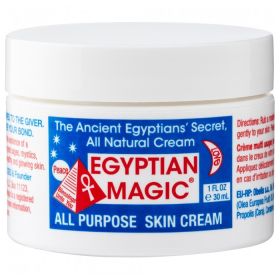 Egyptian MagicEgyptian Magic All Purpose Skin Cream 30mlThis multi-purpose oil based soothing skin cream is loved by all, 6 natural ingredients & nothing else.View product details$29.99
-
 AntipodesAntipodes Culture Probiotic Night Recovery Water Cream 60mlAnti-blemish night recovery probiotic moisturiser for blemished and stressed skin. Balances microbiome, calms and hydrates.View product detailsSpecial Price $59.50 Regular Price $72.00Save 17%
-
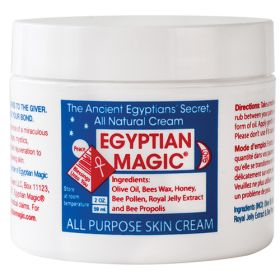 Egyptian MagicEgyptian Magic All Purpose Skin Cream 59mlThis multi-purpose oil based soothing skin cream is loved by all, 6 natural ingredients & nothing else.View product details$41.99
-
 Egyptian MagicEgyptian Magic All Purpose Skin Cream 7.5mlThis multi-purpose oil based soothing skin cream is loved by all, 6 natural ingredients & nothing else.View product details$11.99
-
 La MavLa Mav Skin Balancing Fluid 50mlA lightweight facial moisturiser formulated to help hydrate and balance combination or oily-looking skin without heaviness.View product details$45.00
-
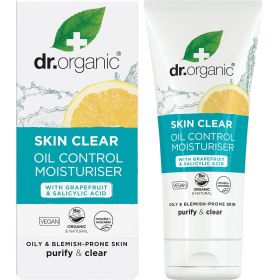 Dr OrganicDr Organic Skin Clear Oil Control Moisturiser 50mlOil and shine control moisturiser for oily and problem skinView product details$16.95
-
 MebemeMeBeMe Balancing Moisturiser 75mlFormulated for tweens with normal, oily, combo or acne prone skin.View product details$17.95
Comparing Moisturisers by Skin Feel and Routine
A useful shortlist starts with how your skin feels, the finish you enjoy and what else the moisturiser needs to work with. This quick comparison shows how those factors can guide your decision without treating one texture as universally best.
| What you're noticing | What to consider | Why it may suit |
|---|---|---|
| Regular shine or dislike of richness | A lighter lotion, fluid, gel or gel-cream texture | May feel easier to wear during the day and layer with other products. |
| Oilier and drier areas | A balanced texture or different amounts across the face | Combination skin doesn't always need the same level of moisture everywhere. |
| Tightness, roughness or flaking | A more moisturising lotion or cream | Provides a more cushioning feel when very light formulas aren't comfortable enough. |
| Sensitivity or an easily unsettled routine | Stated skin suitability and a complete formulation you feel comfortable using | Keeps the focus on the whole product rather than one featured ingredient. |
| Use of exfoliating or therapeutic products | A texture that complements the rest of the routine | Other products may influence how much moisture feels comfortable. |
| Different morning and evening preferences | One versatile moisturiser or separate lighter and richer textures | Lets you choose according to layering, skin feel and time of use. |
Does an oil in the ingredient list make a moisturiser unsuitable?
No. The presence of an oil doesn't establish how the finished moisturiser will feel or whether it will suit an individual. Oils, emulsifiers and other ingredients work together as a complete formula, so choosing solely by the presence or absence of one ingredient can be limiting.
Do I need separate day and night moisturisers?
Not necessarily. If one moisturiser feels comfortable and works with your routine, you may be happy using it at both times. Separate products can be useful when you prefer a lighter finish beneath sunscreen or makeup and a richer feel at night.
Frequently Asked Questions About Acne-Prone Skin Moisturisers
Does acne-prone skin need moisturiser?
Yes, acne-prone skin can still use moisturiser. Moisturising and treating acne perform different roles within a skincare routine. Choose according to your skin's moisture needs and preferred texture rather than assuming that blemish-prone skin should be left without moisturiser.
Can oily skin use moisturiser?
Yes. Oily skin may still feel more comfortable with moisturiser, particularly when other products in the routine feel drying. If you dislike richness, begin with a lighter texture and a modest amount, then consider how it feels once it has settled and been layered with your other products.
Can dry skin still be acne-prone?
Yes. Acne-prone skin isn't always oily, and dry or flaky areas can occur at the same time as blemishes. Dryness may also be more noticeable when using exfoliating ingredients or therapeutic acne products. A more moisturising formula may suit better than the lightest available texture.
What does non-comedogenic mean?
Non-comedogenic is a formulation claim relating to a product's stated tendency to clog pores. It can be a useful attribute when comparing moisturisers, but it isn't an absolute guarantee that a formula will suit every person or that an individual will never experience a breakout while using it.
Can I use moisturiser with an acne treatment?
Often, yes, but the right combination depends on the treatment and its directions. If you're using a prescription or therapeutic acne product, ask your GP, dermatologist or pharmacist about supporting skincare and how to arrange the products within your routine. Avoid changing or stopping prescribed treatment without professional advice.
Practical Tips for Using Your New Moisturiser
A few thoughtful habits can make it easier to understand how a new moisturiser fits your skin and the rest of your routine. Give the product a fair trial without changing everything else at the same time.
Introduce one new product at a time
Adding several new skincare products together makes it difficult to tell which one is responsible for a change in skin feel. Keep the rest of your routine consistent when introducing a moisturiser, then observe how it wears with products you already know.
Begin with a modest amount
Using more moisturiser doesn't necessarily create a more comfortable finish. Start with the amount suggested in the product directions and spread it gently. You can add a little more to areas that still feel dry rather than applying a heavy layer across the entire face from the outset.
Pay attention to your whole routine
A moisturiser doesn't work in isolation. Cleansers, exfoliating products, serums, sunscreen, makeup and acne treatments can all influence how the finished routine feels. If layering becomes heavy or products begin to pill, allowing each layer a little time to settle or using smaller amounts may improve the experience.
Judge the texture after it has settled
The first few seconds don't always reveal how a moisturiser will wear. Notice whether your skin feels comfortable later in the day, whether dry areas need more and how the formula sits beneath sunscreen or makeup. This gives you more useful information than judging texture straight from the container.
Adjust richness as your skin changes
Your preferred moisturiser may change with the season, climate or other skincare products. You might use a lighter amount in humid weather, add more to dry areas or prefer a richer texture in the evening. There's no need to force the same application every day when your skin feels different.
Patch test if your skin is easily unsettled
If sensitivity is a concern, patch testing a small area before wider facial use can be a sensible first step. It can't guarantee that a reaction won't occur, but it may help you introduce the product more cautiously. Follow any specific patch-testing or usage directions supplied with the moisturiser.


