
View our complete acne skin care range
-
 Dr OrganicDr Organic Face Mask Charcoal 125mlPurifying, pore cleansing face mask for combination, oily and acne prone skin types.View product details$18.95
-
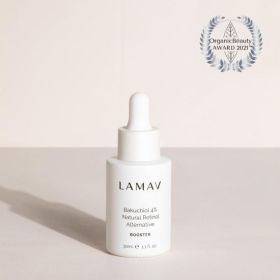 La MavLa Mav Bakuchiol 4% Natural Retinol Alternative 30mlA nourishing facial oil featuring Bakuchiol, a plant-based alternative to retinol, to help support smoother, firmer and more radiant-looking skin.View product detailsSpecial Price $45.00 Regular Price $85.00Save 47%
-
 AntipodesAntipodes Aura Manuka Honey Mask 75mlAnti-blemish mask with manuka honey to freshen, clear and hydrate blemish prone skin.View product detailsSpecial Price $42.50 Regular Price $52.00Save 18%
-
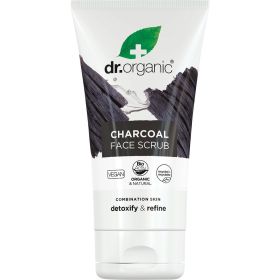 Dr OrganicDr Organic Face Scrub Charcoal 125mlDeep cleansing, purifying face scrub for combination and acne prone skin.View product details$17.95
-
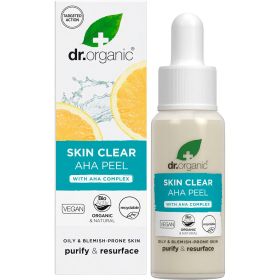 Dr OrganicDr Organic AHA Peel Skin Clear 30mlAn AHA Peel for clearer and more even skin tone. Suits oily and blemish prone skin.View product details$34.95
-
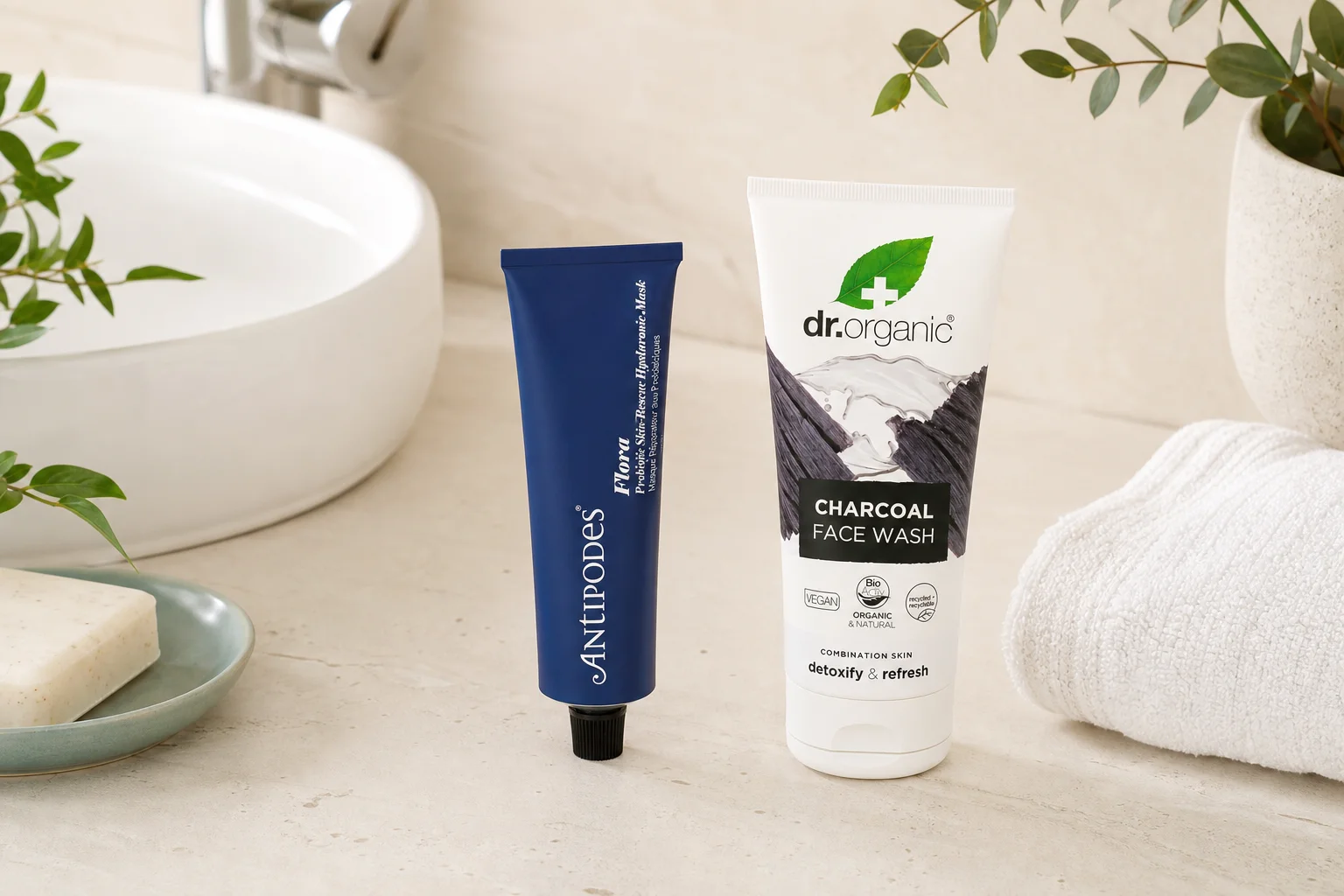
 AntipodesAntipodes Flora Probitotic Skin-Rescue Hyaluronic Mask 75mlAnti-redness mask for red and irritated skin. Calms, soothes and hydrates. Suits all skin types including sensitive skin.View product detailsSpecial Price $42.50 Regular Price $50.00Save 15%
-
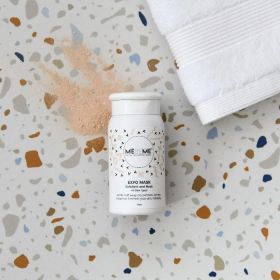 MebemeMebeme Exfo Mask 2in1 Exfoliant & Mask 75gThis exfoliant and mask is as gentle as it is effective. Designed to gently buff away dry patches of skin and remove pore clogging debris.View product details$19.95
Mask vs Treatment vs Spot Treatment
The main difference is how and where each product is applied. Some formats provide occasional care across the whole face or oily areas, while others are intended to remain on broader areas or be applied to individual blemishes.
| Product | Application | Typical role | Why you might choose it |
|---|---|---|---|
| Clay mask | Whole face or selected oily areas | Absorbs excess surface oil, depending on the formula | Useful when you want an occasional rinse-off step rather than another daily product |
| Exfoliating mask | Whole face or selected areas, as directed | Timed exfoliation | Suits a routine that needs a dedicated exfoliating step without adding another leave-on layer |
| Serum or leave-on treatment | Applied to broader or targeted areas, depending on the product | Product-specific cosmetic care | Works as a regular leave-on step and can be layered with other compatible skincare |
| Therapeutic acne treatment | Used exactly as labelled | Specific approved indication | Relevant when you’re seeking a therapeutic product for its stated purpose rather than general cosmetic care |
| Spot treatment | Individual blemishes or small areas | Targeted application | A focused option when you don’t want to apply a product across the whole face |
Which format is best for occasional use?
A rinse-off clay or exfoliating mask can fit naturally into an occasional routine. Application frequency varies, so the individual directions are more useful than following a universal weekly schedule.
When does a leave-on product make more sense?
A serum or leave-on treatment may suit you if you prefer targeted skincare to form part of your regular routine. Consider its texture and cosmetic role, as well as how it fits with your moisturiser, sunscreen and existing active products.
Should I choose a whole-face or targeted product?
That depends on where you want to use it. A mask can be practical for larger or consistently oily areas, while a spot treatment keeps the application focused on individual blemishes.
Frequently Asked Questions
Do face masks help acne-prone skin?
A face mask can provide a targeted cosmetic step for acne-prone or blemish-prone skin, depending on its formulation. For example, a clay mask may absorb excess surface oil, while an exfoliating mask has a different role. Cosmetic masks shouldn’t be expected to clear or treat acne unless a product has a specific legally permitted therapeutic indication.
How often should I use a clay mask?
Use it at the frequency given in the product directions. Once or twice a week is common for some masks, but there isn’t one schedule that suits every formula or every person. Your cleanser, exfoliants, serums and other targeted products also influence how much additional treatment your routine needs.
Can I use a mask only on oily areas?
Yes, many masks can be applied selectively, provided this matches the product directions. Applying a clay mask to areas such as the forehead, nose or chin can make sense if those areas feel oilier than the rest of your face. This approach also lets other areas follow a simpler skincare routine.
Can I use an exfoliating mask with an exfoliating toner or serum?
Sometimes, but ingredient overlap and timing matter. If your cleanser, toner or serum already contains AHA, BHA, enzymes or another exfoliating ingredient, adding a mask may give you more exfoliation than you intended. Separating products across different days may be appropriate, depending on their directions and your routine.
What’s the difference between a cosmetic treatment and an acne treatment?
A cosmetic treatment is intended for a cosmetic skincare role, such as exfoliation or absorbing excess surface oil. A therapeutic acne treatment has specific approved indications and directions. The word “treatment” in a cosmetic product name doesn’t automatically mean that the product is approved to treat acne.
Practical Advice for Using Masks & Targeted Treatments
A little restraint goes a long way with targeted skincare. These products can fill a useful role, but using more products, applying thicker layers or leaving a mask on for longer doesn’t automatically improve the experience.
Don’t turn every night into treatment night
Give targeted products their own place in your routine rather than stacking masks, exfoliating toners, serums and spot products together. Spacing them out also makes it easier to tell which product suits your skin and which step may be unnecessary.
Use masks where they’re actually needed
Your whole face doesn’t have to receive identical care. If oiliness is concentrated around the nose, forehead or chin, selective application can be more practical than covering drier areas too. Always keep the application area consistent with the product directions.
Don’t make clay masks a competition in dryness
A clay mask doesn’t need to crack completely before you remove it. Follow the stated application time and rinse it away as directed. Leaving it on longer or applying an extra-thick layer can make removal less comfortable without providing a better cosmetic result.
Check for exfoliating ingredient overlap
AHAs, BHAs and enzymes can appear in masks as well as cleansers, toners and serums. Look at your routine as a whole before adding another exfoliating step. Introducing one product at a time gives you a clearer picture of how each formula feels and fits.
Follow timed-treatment directions
Use a timer if a mask or treatment has a specific application period. This is particularly useful with exfoliating formulas, where estimating the time can easily turn a short treatment into a much longer one. Remove the product using the method recommended by its manufacturer.
Follow therapeutic product labels exactly
If you choose a therapeutic acne product, use it only for its labelled indication and follow its directions. For acne that is persistent, painful or causing scarring, seek advice from an appropriate healthcare professional rather than continually adding new cosmetic products.


