
Different types of moisturisers
-
 MebemeMeBeMe Balancing Moisturiser 75mlFormulated for tweens with normal, oily, combo or acne prone skin.View product details$17.95
-
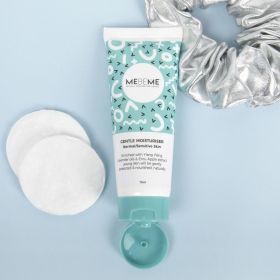 MebemeMeBeMe Gentle Moisturiser 75mlFormulated for tweens with normal, dry or sensitive skin.View product details$17.95
Day Cream With SPF vs Regular Day Cream
The key difference is labelled sun protection. An ordinary day cream moisturises and conditions the skin, while a day cream with SPF combines moisturising with sun protection when applied according to its sunscreen directions.
| Feature | Regular day cream | Day cream with SPF |
|---|---|---|
| Primary role | Moisturising and conditioning | Moisturising with labelled sun protection |
| SPF protection | None unless specifically labelled | Yes, according to the labelled SPF |
| Morning use | Suitable for a morning routine | Suitable for morning use as directed |
| Under sunscreen | Can generally be applied before sunscreen | Depends on the product and its directions |
| Under makeup | Depends on texture and finish | Depends on texture, finish and application |
| Amount | Use according to moisturiser directions | The stated sunscreen application amount matters |
| Reapplication | Based on skincare preference | Follow the SPF product directions |
Does day cream protect skin from the sun?
Not unless it provides labelled sun protection. Words such as “day” or “protective”, along with the presence of botanical oils or antioxidant ingredients, don’t turn an ordinary moisturiser into sunscreen. If there’s no labelled SPF, apply a suitable sunscreen as a separate final skincare step.
Can day cream with SPF replace sunscreen?
An appropriately labelled SPF product should be used according to its sunscreen directions, including the required amount and reapplication. A small cosmetic dab may not provide the labelled protection. You can also consider products in our natural SPF moisturiser category.
Day Cream vs Night Cream
| Day cream | Night cream |
|---|---|
| Often chosen for comfortable daytime wear | Often chosen for evening use |
| Frequently lighter, although not always | Frequently richer, although not always |
| May be selected for layering under makeup | Makeup compatibility is usually irrelevant |
| May contain labelled SPF | SPF is generally unnecessary at night |
| Can potentially be used at night | Can potentially be used during the day if appropriate |
You don’t need separate products if one moisturiser suits your skin and is appropriate for morning and evening use. Having both can be useful when you prefer a lighter daytime finish, a richer night-time texture or different formulations at each time of day.
Natural Day Cream FAQ
What’s the difference between day cream and moisturiser?
Day cream is a moisturiser positioned or formulated for daytime use. “Moisturiser” is the broader category and includes products intended for morning, evening or use at either time. What matters most is whether the texture, formulation and directions suit your skin and the way you prefer to structure your routine.
Do I need separate day and night creams?
No. A moisturiser that suits your skin and is appropriate for use both morning and evening can be used at both times. Separate products can be useful if you prefer a lighter day cream beneath sunscreen or makeup and a richer cream at night, but that’s a personal preference rather than a skincare requirement.
Does every day cream contain SPF?
No. Many day creams are ordinary facial moisturisers without sun protection. Look for a clearly labelled SPF rather than assuming a product provides sun protection because it includes “day” in its name. If there’s no labelled SPF, use a suitable sunscreen separately.
Can I wear day cream under makeup?
Yes, many day creams can be worn under makeup. Lighter textures may be easier to layer, but the amount you apply and the other products in your routine also matter. Let moisturiser and sunscreen settle before applying makeup, and reduce the amount of day cream if the layers begin to feel heavy or pill.
How do I choose a day cream for sensitive skin?
Start with the complete formulation and any skin-suitability guidance provided for the product. You may prefer fragrance-free formulas, familiar ingredients or a simpler routine with fewer layers. Natural ingredients aren’t automatically suitable for every sensitive or reactive skin type, so consider any known ingredient sensitivities when choosing.
Expert Advice for Using Day Cream
A few small adjustments can make a noticeable difference to how a daytime moisturiser feels, particularly when you’re layering it with serum, sunscreen or makeup.
Use the Amount Your Skin Needs
More day cream doesn’t necessarily mean better moisturising. Applying too much can leave extra product sitting on the skin and make the next layer harder to apply evenly. Begin with the amount suggested in the product directions, then consider how your skin feels and how well the moisturiser works with the rest of your routine.
Give Each Layer Time to Settle
Applying serum, day cream, sunscreen and makeup in quick succession can sometimes contribute to pilling or an uneven finish. Give each layer a little time to settle before adding the next. If products still roll into small flakes, try using less at each stage rather than immediately replacing your moisturiser.
Don’t Judge a Moisturiser by Thickness Alone
A rich cream isn’t automatically more effective, and a lightweight fluid isn’t necessarily less moisturising simply because it feels lighter. Texture describes the sensory experience as much as performance. The most useful daytime texture is one that leaves your skin feeling comfortable and works with anything you apply over it.
Adjust Your Texture With the Seasons
Your preferred moisturiser can change during the year. A light lotion may feel comfortable in hot or humid weather, while a creamier formula may appeal during cooler or drier conditions. There’s no requirement to use the same texture throughout every season, or to keep separate products if one continues to work well.
Introduce New Products One at a Time
If you’re changing several parts of your morning skincare routine, introduce one unfamiliar product at a time. This makes it easier to understand how each formula feels on your skin and how it layers with products you already use. It’s particularly useful when you have known ingredient sensitivities or strong fragrance preferences.
Confirm Whether SPF Is Actually Included
A day cream only provides sun protection when it carries an appropriate SPF label. Product names, botanical ingredients and the word “day” aren’t substitutes for labelled SPF. If your moisturiser doesn’t include it, apply sunscreen separately as the final skincare step and follow the sunscreen directions.


