
Other body care essentials

-
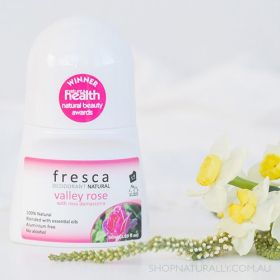 Fresca NaturalFresca Natural Deodorant Roll-on Valley Rose 50mlAward winning, hard working natural deodorant. Aluminium & alcohol free.View product details$19.50
 -
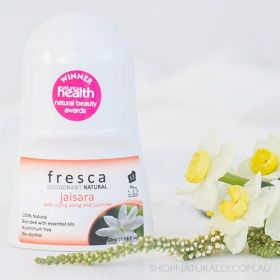 Fresca NaturalFresca Natural Deodorant Roll-on Jaisara 50mlAward winning, hard working natural deodorant. Aluminium & alcohol free.View product details$16.50
 -
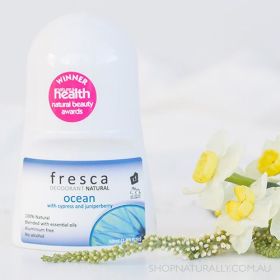 Fresca NaturalFresca Natural Deodorant Roll-on Ocean 50mlAward winning, hard working natural deodorant. Aluminium & alcohol free. Unisex scent.View product details$16.50
 -
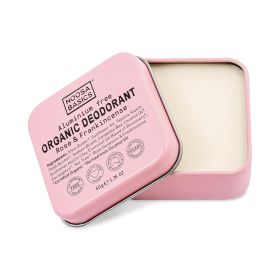 Noosa BasicsNoosa Basics Deodorant Tin Rose & Frankincense 50g24 hour protection. Vegan and cruelty free, plastic free packaging. Hand crafted in Noosa in small batches for all day freshness.View product details$16.15
 -
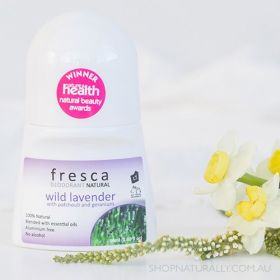 Fresca NaturalFresca Natural Deodorant Roll-on Wild Lavender 50mlAward winning, hard working natural deodorant. Aluminium & alcohol free.View product details$16.50


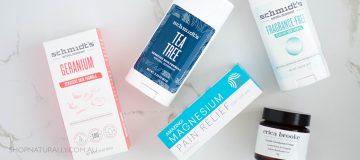
Compare Natural Deodorant Formats
The format affects how deodorant is applied, how it feels and how easily it fits into your day. This table gives you a quick starting point without ranking one format as universally more effective than another.
| Format | Application | Texture and feel | Worth considering |
|---|---|---|---|
| Stick | Applied directly from the container | Solid or semi-solid | Firmness, product deposit, fragrance and packaging |
| Roll-on | Applied with a rollerball | Liquid or gel | Drying time, skin feel and ingredients |
| Cream | Often applied with clean fingers or an applicator | Soft and creamy | Amount required, application preference and container |
| Paste | Applied according to the product directions | Usually thicker than cream | Spreadability, ingredients and packaging |
| Spray | Dispensed onto the underarm area | Liquid mist or spray | Dispensing method, fragrance and drying time |
Which format suits a quick application?
Sticks and roll-ons are applied directly from their packaging, which some customers find convenient for everyday use. Sprays also avoid finger application. Creams and pastes needn’t be complicated, but they do involve measuring the recommended amount and spreading it evenly.
Which format gives me more control over the amount?
Creams and pastes make it easy to see how much you’re using. Start with the amount in the directions; adding more does not necessarily improve odour control and may change how the formula feels or behaves on clothing.
What should I expect when changing deodorants?
A new deodorant may have a different texture, fragrance, drying time or application amount. Moving from an antiperspirant to a deodorant without an antiperspirant active may also mean you notice more perspiration. Activity, weather and personal physiology can affect your experience. Some people find a preferred formula straight away, while others try another format or ingredient combination. An underarm detox isn’t required, and persistent irritation is a reason to stop using the product rather than wait it out.
Natural Deodorant FAQ
What’s the difference between natural deodorant and antiperspirant?
Deodorants are intended to manage body odour, while antiperspirants are formulated to reduce perspiration, commonly using aluminium-based active ingredients. A natural deodorant is not necessarily an antiperspirant. The distinction matters because a deodorant may address odour while still allowing you to perspire normally.
Does natural deodorant stop you from sweating?
Generally, no. A deodorant without an antiperspirant active is intended to manage odour rather than reduce perspiration. Individual formulas have different stated functions, so use the product according to its claims and directions rather than expecting every natural deodorant to control wetness.
Do you need to detox your armpits when switching to natural deodorant?
No, an underarm detox isn’t required. A new product may feel or perform differently, particularly if you’re moving from an antiperspirant to a deodorant that doesn’t reduce perspiration. Burning, a rash or persistent discomfort should not be treated as a necessary adjustment stage; stop using the product if irritation continues.
Is baking soda-free deodorant better for sensitive skin?
Not for everyone. Some customers prefer baking soda-free formulas because of their previous skin response or ingredient preferences, but suitability depends on the complete formulation and the individual. Fragrance, essential oils and other ingredients can also influence comfort, so baking soda-free does not automatically mean irritation-free.
Can I apply natural deodorant straight after shaving?
Freshly shaved underarm skin may be more sensitive to fragrance, essential oils, baking soda or friction from application. Follow the directions for your deodorant and avoid applying it to broken or already irritated skin where the instructions advise against doing so. Waiting until your skin feels settled may be more comfortable.
Expert Advice for Using Natural Deodorant
A few small adjustments can make a new deodorant format easier to use. The aim is to work with the product’s texture and directions rather than applying every formula in exactly the same way.
Start With the Recommended Amount
More deodorant doesn’t automatically deliver better odour control. Too much cream, paste or soft stick can take longer to settle and may be more likely to transfer to clothing. Begin with the manufacturer’s recommended amount and spread it evenly where the directions call for it.
Give Roll-Ons and Sprays Time to Dry
Liquid and gel formulas can feel damp immediately after application. Allowing the product to dry as directed before dressing can improve comfort and reduce transfer onto fabric. Drying time varies between formulas, so a lighter application may feel quite different from repeatedly passing a rollerball over the same area.
Work With the Texture of Sticks and Pastes
Natural solid and semi-solid formulas may change firmness with the weather. If a firm stick doesn’t glide readily, brief contact with body warmth may soften its surface without needing heavy pressure. Softer pastes usually need only a small amount. Follow the product’s storage guidance, particularly during hot Australian weather, rather than refrigerating or heating it unless instructed.
Separate Fragrance From Performance
The fragrance is part of the wearing experience, but a stronger scent doesn’t necessarily mean stronger odour management. If you enjoy the formula but not its aroma, another fragrance or a verified fragrance-free version may be a better fit. Essential oils and botanical ingredients still have a scent and may matter to people with particular sensitivities.
Pay Attention to Changes in Comfort
A little experimentation with format or texture is normal, but ongoing redness, burning or discomfort isn’t evidence that your underarms are detoxifying. Stop using a product that causes persistent irritation. Once your skin has settled, you might consider a different ingredient combination, such as a fragrance-free or bicarbonate-free formula, according to your individual preferences.


