
Each step in your regime
-
 Heritage StoreHeritage Store Rosewater Cleanser Dry to Combination Skin 118mlA milky wash that hydrates the skin and features a lightweight texture designed to cleanse and protect skin without over-drying.View product details$29.95
-
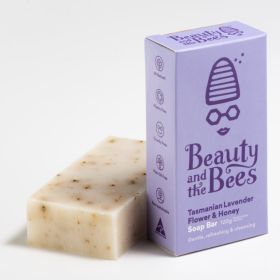 Beauty and the BeesBeauty and the Bees Soap Bar Tasmanian Lavender Flower & Honey 120gFrolic in fields of lavender (twirling optional) with this handmade lavender soap. Infused with Tasmananian lavender essential oil and flowers to cleanse, moisturise and …View product detailsSpecial Price $8.28 Regular Price $9.20Save 10%
-
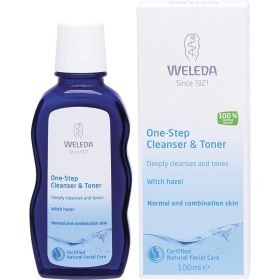 WeledaWeleda One-Step Cleanser & Toner Witch Hazel 100mlCleanses and tones normal and combination skin in a single step. The quick, natural, perfect skin-care starter, for use every day. Use before the Iris Hydrating, Wild Ros…View product details$28.95
Compare Natural Face Cleansers
Cleanser format gives you a useful idea of texture, application and removal, but it doesn't assign a product to one skin type. Use this comparison to narrow down the cleansing experience that appeals to you, then consider the complete formulation.
| Cleanser type | Typical texture | Particularly useful for | Usual removal method |
|---|---|---|---|
| Gel cleanser | Lightweight gel | Everyday rinse-off cleansing | Water |
| Foaming cleanser | Gel, liquid or ready-made foam | Customers who enjoy a lather | Water |
| Cream or milk cleanser | Creamy or lotion-like | A softer, creamier cleansing texture | Water or cloth, depending on the product |
| Cleansing oil | Oil | Makeup, sunscreen and everyday cleansing | Usually emulsified and rinsed; product-dependent |
| Cleansing balm | Solid or semi-solid balm | Makeup and sunscreen removal | Water or cloth, depending on the product |
| Micellar water | Watery liquid | Light cleansing, quick use and makeup removal | Product-dependent |
| Makeup remover | Liquid, oil or balm | Targeted removal of eye or long-wear makeup | Product-dependent |
Which face cleanser is useful for makeup?
Oils and balms can be particularly useful because they're formulated to loosen makeup and other oil-soluble residue. Performance still depends on the cleanser and the makeup being removed. A separate makeup remover isn't compulsory if your everyday cleanser already does the job comfortably.
Which cleanser should I use for sunscreen?
Choose a cleanser that adequately removes the sunscreen you wear. Water-resistant formulas or heavier layers may need more thorough cleansing, sometimes with two steps. Lighter sunscreen may come away with one effective cleanser, so double cleansing doesn't need to be automatic.
Does a cleanser need to foam?
No. Foam changes the sensory experience, but it isn't proof that cleansing is taking place. Gel, cream, oil, balm and micellar products can all cleanse without producing much or any lather.
Natural Face Cleanser FAQs
How often should I wash my face?
There isn't one frequency that suits everybody. Many people cleanse during their evening skincare routine to remove sunscreen, makeup and daily residue, and some also cleanse in the morning. What you wear, how your skin feels and the directions for your cleanser can all influence the frequency that works for you.
What's the difference between a face wash and a face cleanser?
There isn't a strict universal distinction. “Face wash” is commonly used for gel or foaming products that rinse away with water, while “face cleanser” is a broader term covering creams, milks, oils, balms, micellar water and other formats. Brands may use the terms differently.
How do I choose a cleanser for sensitive skin?
Start with products described as suitable for sensitive skin and consider the complete ingredient list rather than relying on one highlighted botanical. Some customers prefer fragrance-free formulas. Keeping the rest of your routine simple and introducing one unfamiliar product at a time can also make your personal response easier to identify.
How can I tell whether a face cleanser is alcohol-free?
The full ingredient list is the most useful source because front-of-pack descriptions don't always cover every ingredient preference. Alcohol-related ingredient names can refer to different types of ingredients, so avoid judging a formula by the word alone. If avoiding a particular ingredient is important due to an allergy or sensitivity, seek appropriate professional guidance.
Does natural mean a cleanser is certified organic?
No. Natural and certified organic aren't interchangeable descriptions. A natural face wash may contain natural or naturally derived ingredients without carrying organic certification. An organic face cleanser may contain particular organic ingredients, but “certified organic” should only be used when the product as a whole holds recognised certification.
Expert Advice for Cleansing Your Face
A few small adjustments can make facial cleansing more comfortable and effective, particularly when you're changing cleanser formats or removing different products from one day to the next.
Give your cleanser time to spread
Apply and massage the cleanser according to its directions rather than rinsing it away immediately. This gives the formula an opportunity to loosen makeup, sunscreen, excess surface oil and residue. There's no universal cleansing time that suits every formula, so you don't need to follow an arbitrary 60-second rule.
Use lukewarm rather than very hot water
Very hot water isn't required for a clean face, and pores don't need to be “opened” before cleansing. Lukewarm water is usually more comfortable and works well for wetting the face and rinsing water-removable formulas.
Don't chase a squeaky-clean feeling
Your skin doesn't need to feel tight or stripped for cleansing to have worked. The useful test is whether the product has removed what you needed it to remove and left your face comfortable. If tightness occurs consistently, consider changing the cleanser, frequency or removal method before adding extra skincare steps to compensate.
Match the cleansing step to what you've worn
A day at home without makeup may not call for the same process as a day wearing long-wear cosmetics and water-resistant sunscreen. Adjusting the routine to the products being removed can be more useful than automatically double cleansing every evening.
Use face cloths gently
Cloths can assist with removing certain balms, oils and cream cleansers, but they also add physical friction. Use light pressure rather than scrubbing, particularly around the eye area. Wash reusable cloths regularly and let them dry thoroughly between uses so you have a fresh one ready for your next cleanse.
Remove the cleanser using its intended method
Oils, balms and creams don't all behave in the same way. Some emulsify and rinse with water, while others work best with a damp cloth. Using the specified method helps remove the cleanser and the residue it has loosened without unnecessary rubbing.


