
Narrow your shampoo choices to

-
 Beauty and the BeesBeauty and the Bees Shampoo Bar pH Balanced for Sensitive Scalp 15g MINIBee Pure is unscented, pH balanced and formulated for sensitive scalps and noses. It's also the best option for colour treated hair for longer lasting colour.View product details$4.65


Compare Natural Shampoo Options
The four shampoo formats serve different roles. You may use one format exclusively or combine a regular shampoo with dry or clarifying shampoo when your washing and styling routine calls for it.
| Shampoo type | Commonly suited to | How it is used | Useful to know |
|---|---|---|---|
| Liquid shampoo | Regular wet washing and the widest selection of formulas | Applied to wet hair, worked mainly around the scalp and rinsed | A familiar format with choices for different hair and scalp preferences |
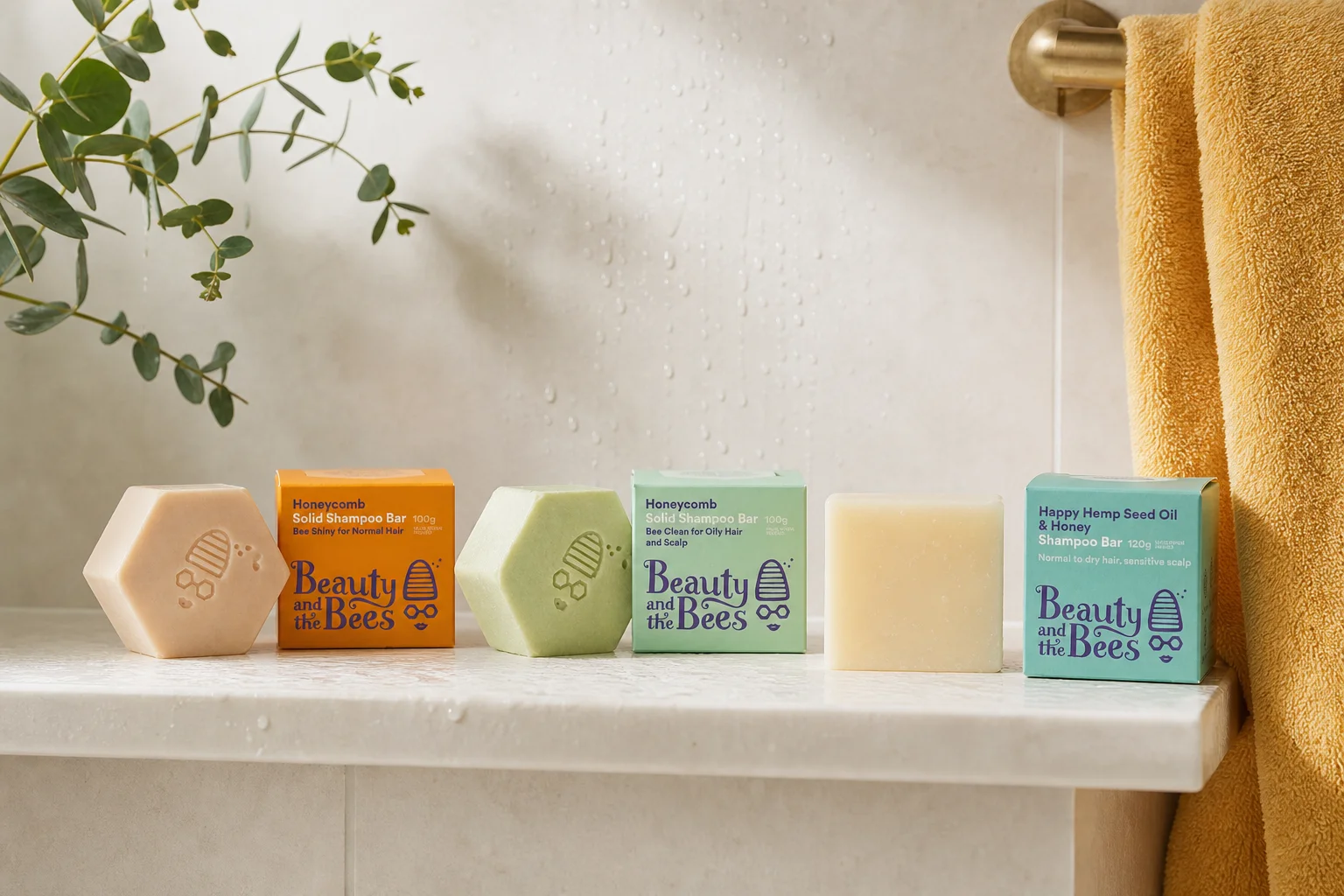
| Shampoo bar | People who prefer a compact solid format | Lathered in wet hands or applied to wet hair, depending on the directions | Selected bars use reduced or plastic-free packaging and need to dry between uses |
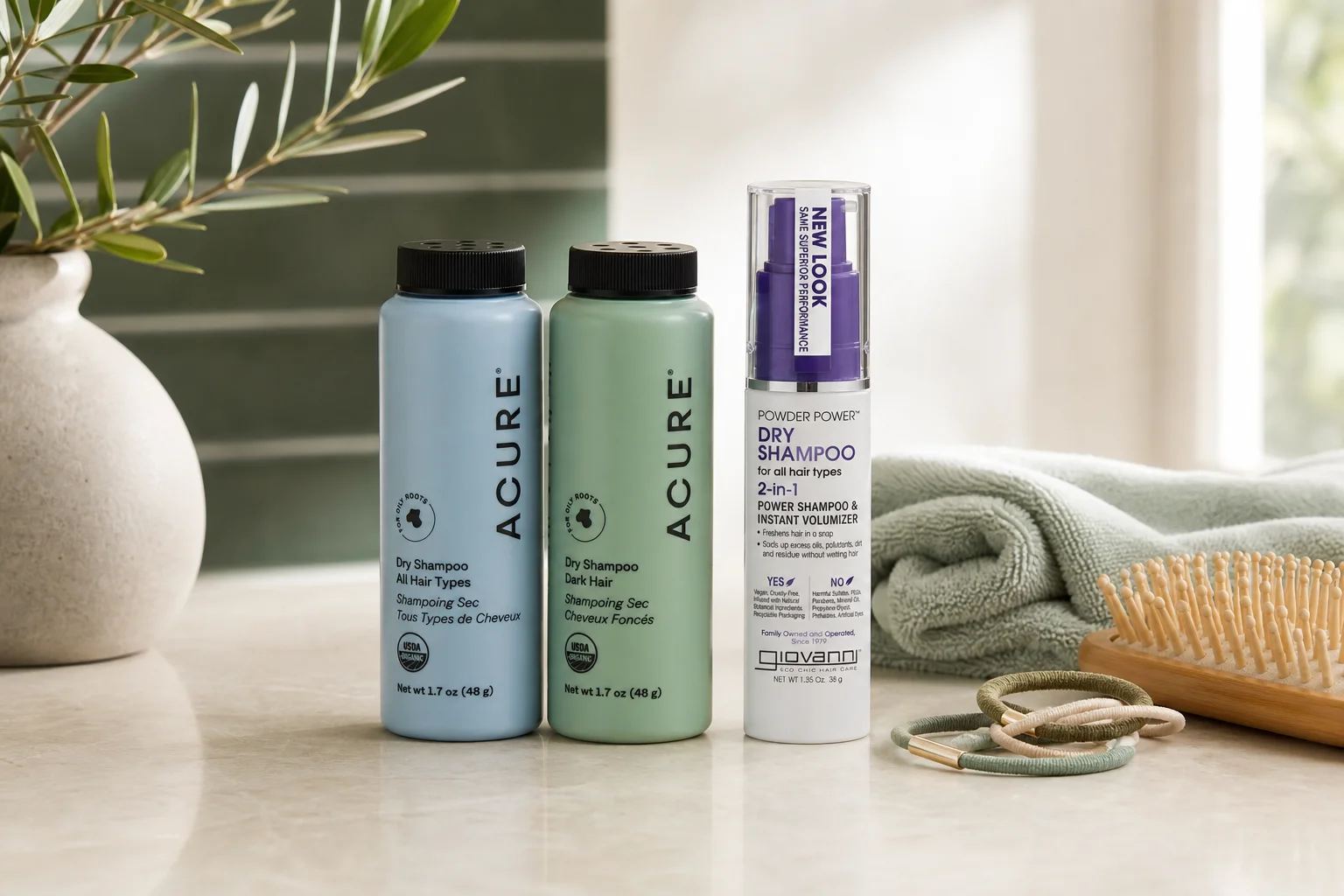
| Dry shampoo | Refreshing oily-looking roots between wet washes | Applied to dry hair, primarily around the roots | Absorbs excess oil but does not replace washing indefinitely |
| Clarifying shampoo | Periodic cleansing when heavier build-up has accumulated | Used when needed according to the individual formula | Useful after substantial styling-product use, oil treatments or longer gaps between washes |
Do I need both regular and clarifying shampoo?
Not necessarily. If your usual shampoo gives you the level of cleansing you want and you use few styling products, it may be all you need. Clarifying shampoo becomes a useful additional option when oils, dry shampoo or styling products have accumulated and your regular wash is not removing that heavier build-up as readily.
Should I choose liquid shampoo or a shampoo bar?
Neither format is inherently better. Liquid shampoo offers the broadest variety and will feel familiar to most people. A shampoo bar is compact and may appeal if packaging and storage matter to you, although there can be a short adjustment period while you learn how much to use and how best to create and distribute the lather.
Natural Shampoo FAQs
What is natural shampoo?
There is no single universal definition covering every shampoo marketed as natural. The term generally relates to the ingredients or formulation approach, but products can differ considerably. The complete ingredient list provides more useful detail than the word “natural” alone. Organic wording also varies: a shampoo may contain selected organic ingredients, while “certified organic” should refer to a whole product carrying recognised certification.
How do I choose the right shampoo for my hair?
Start with your scalp and roots, then consider your lengths, washing frequency, styling-product use and whether your hair is colour-treated. From there, decide between liquid, bar, dry and clarifying formats. These factors give you a more useful basis for choosing than relying on one featured ingredient or searching for a universal “best” natural shampoo.
Is sulphate-free shampoo better for your hair?
Not automatically. Sulphates are cleansing surfactants, and shampoos both with and without them can vary widely in formulation and performance. Sulphate-free shampoo is a useful preference for many customers, but it does not guarantee that every alternative cleansing ingredient will feel the same. Consider the complete formula, stated hair suitability and how the shampoo fits your washing routine.
Are liquid shampoo, shampoo bars, dry shampoo and clarifying shampoo used in the same way?
No. Liquid shampoo and shampoo bars are generally used with water and rinsed away. Dry shampoo is applied to dry roots between wet washes to absorb excess oil. Clarifying shampoo is a more thorough wet-wash option used when heavier build-up has accumulated. Application and suggested frequency can vary between individual formulas.
Do you have natural shampoo without coconut-derived ingredients?
Coconut-derived ingredients are common in shampoo, particularly among the surfactants used for cleansing. Their source is not always obvious from the INCI ingredient name, so identifying a completely coconut-derived-ingredient-free formula can require information beyond the front label. If you need to avoid coconut derivatives, contact our team with the products you are considering and we can help review the available ingredient information.
Practical Advice for Using Shampoo
A few small changes to washing technique can make a noticeable difference to how easily shampoo spreads, rinses and fits into your routine, particularly when you are changing formulas or formats.
Concentrate shampoo around the scalp
For most washing routines, the roots and scalp are where oil and product build-up collect. Work the shampoo through this area with your fingertips. As you rinse, the lather will move through the lengths, so dry ends do not always need to be heavily shampooed each time.
Use enough water before adding more shampoo
Thoroughly wet your hair before applying shampoo. If the product is not spreading readily, add a little more water and work it through before reaching for substantially more shampoo. This can be especially useful with thick hair or concentrated formulas.
Do not judge cleansing by the amount of foam
Lather can make shampoo pleasant and easy to distribute, but a bigger foam does not automatically mean a better cleanse. Different surfactants and formulas produce different amounts of lather, so focus on coverage, rinsing and how the product suits your routine.
Double cleansing is not essential for everyone
A second shampoo can be useful after heavy styling-product use, an oil treatment or a longer interval between washes. For a straightforward regular wash, one thorough application may be enough. Let the amount of build-up guide you rather than treating two washes as a fixed rule.
Rinse in sections when needed
Thick or long hair can hold shampoo close to the scalp and underneath the lengths. Gently separate the hair into sections as you rinse, paying attention to the crown, hairline and nape before applying conditioner.
Give a new format time, but listen to your scalp
A different texture or level of lather can take a couple of washes to feel familiar, particularly when switching from liquid shampoo to a bar. This is an adjustment in technique, not a “detox” period. Persistent itching, burning, redness or irritation is a reason to stop using the product and seek appropriate advice rather than pushing through.


