
-
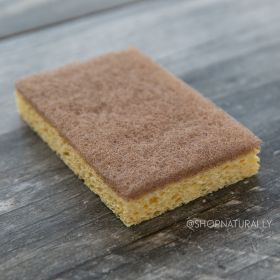 Natural ValueNatural Value Walnut Scrubber SpongeMade with cellulose and ground walnut shells. This dual sided product is scourer on one side and sponge on the other.View product details$4.50
-
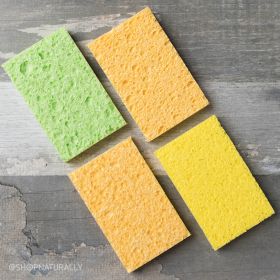 Natural ValueNatural Value Dual Surface Cellulose Sponges 4 PackMade with plant based cellulose. They are perfect for wiping down surfaces, washing dishes, walls, floors, windows and more.View product details$7.50Save 21%
Compare Natural Value Kitchen Sponges
Scrubbing material, format and pack quantity are the clearest differences across this compact collection. The table below provides a quick guide to the main role of each product, from routine dishwashing to more demanding scouring.
| Product | Main feature | Best for |
|---|---|---|
| Sisal Scrubber Sponge 2 Pack | Sisal plant-fibre scrubber paired with a cellulose sponge | Everyday washing and kitchen cleaning when you prefer a sisal scrubbing surface |
| Kitchen Scrubber Sponge | Dual-sided everyday sponge | General dishwashing and moving between routine washing and scrubbing |
| Walnut Scrubber Sponge | Cellulose with a scrubber made using ground walnut shells | Everyday dishwashing with a plant-derived walnut scrubbing material |
| Heavy Duty Scouring Pads 2 Pack | Pad format for stronger scouring | More demanding cleaning jobs on surfaces suited to abrasive pads |
| Dual Surface Cellulose Sponges 4 Pack | Absorbent cellulose in a larger dual-surface pack | Wiping, general household cleaning and keeping sponges for separate tasks |
Different surfaces need different levels of scrubbing. A gentler sponge is the better starting point for finishes that may scratch or mark, while a heavy-duty pad can be reserved for durable surfaces and stubborn residue. Follow the directions for your selected product and test it on an inconspicuous area when surface compatibility is uncertain.
Which option works well as an everyday all-rounder?
The Kitchen Scrubber Sponge is the most straightforward general-purpose format, while the sisal and walnut versions suit customers who want a specifically identified plant-derived scrubbing material. All three are positioned for everyday kitchen cleaning rather than the most demanding scouring jobs.
When should I choose a multi-pack?
A multi-pack is useful if you prefer to assign separate sponges or pads to different cleaning areas. The four-pack of cellulose sponges prioritises wiping and general cleaning, the sisal two-pack combines cellulose with plant fibre, and the heavy-duty two-pack is intended for tougher scrubbing.
Natural Value FAQs
What are Natural Value sponges made from?
Materials differ by product. The Sisal Scrubber Sponge combines cellulose with sisal fibre derived from the agave plant, while the Walnut Scrubber Sponge uses cellulose and ground walnut shells. Cellulose also features in the Dual Surface Cellulose Sponges. The entire collection should not be treated as having one identical material composition.
What’s the difference between a sisal and walnut scrubber sponge?
The main difference is the scrubbing material. The sisal version uses plant fibre derived from agave, while the walnut version uses ground walnut shells. Both incorporate cellulose, but their scrubber construction is different. Your preferred material and the surface guidance for the cleaning job can help narrow the choice.
Can Natural Value scrubber sponges be used on non-stick cookware?
Don’t assume every Natural Value scrubber is suitable for non-stick cookware. Surface guidance varies between products, and non-stick finishes can also differ. Use a product only where the manufacturer’s directions support that application. When you are uncertain, test gently on a small, inconspicuous area before cleaning the whole item.
Are Natural Value sponges compostable?
Plant-based materials do not automatically make a finished sponge compostable. A product may combine several materials, and the manufacturer specifically identifies some Natural Value scrubber products as not compostable. Compostability of the finished sponge is also separate from any recycling or disposal information provided for its packaging.
How do I clean and care for Natural Value kitchen sponges?
Rinse the sponge thoroughly after each job, remove trapped food residue and let it dry well between uses. Replace it once it is worn, damaged or difficult to clean. Care methods vary, so consult the manufacturer’s instructions before boiling, sanitising or using another treatment that could affect the sponge’s materials.
Our Expert Advice for Natural Value Kitchen Sponges
A little care can make kitchen sponges more pleasant to use and help you match each one to the right cleaning job. These practical habits are particularly useful when your cleaning kit includes both everyday sponges and more abrasive scouring pads.
Start with the gentlest suitable surface
Use a gentler sponge first on coated, polished or easily marked surfaces. More abrasive pads are better reserved for durable surfaces and jobs that genuinely need stronger scouring. If you are cleaning an unfamiliar finish, test a small hidden area using light pressure before continuing. This is especially helpful with cookware, sinks and benchtop materials that can look similar but have different care requirements.
Rinse both sides thoroughly
Food residue can collect in the sponge and within textured scrubbing surfaces. Rinse the product from both sides after use, paying extra attention to the join between surfaces on dual-sided designs. Removing residue before it dries makes the sponge easier to clean and less likely to develop persistent odours.
Give sponges room to dry
After rinsing, press out excess water gently and place the sponge somewhere with airflow. Leaving it sitting in a wet sink or pooled water keeps it damp for longer. If you use a multi-pack to separate dishwashing from other household tasks, drying and storing the products separately also makes it easier to keep track of which one belongs where.
Know when it is time for a replacement
Replace a sponge or pad when its surfaces are breaking down, the layers are separating, it has become misshapen or it remains difficult to clean. A heavily worn scrubber will not provide the same practical experience as one in good condition, regardless of how carefully it is washed.
Use care methods suited to the materials
Boiling, sanitising and other intensive cleaning methods are not automatically suitable for every sponge construction. Check the manufacturer’s care instructions before using heat or a cleaning treatment beyond normal rinsing. Need help deciding which Natural Value sponge or scrubber fits the job? Contact the Shop Naturally team and we’ll be happy to help.


