
Other body care essentials


-
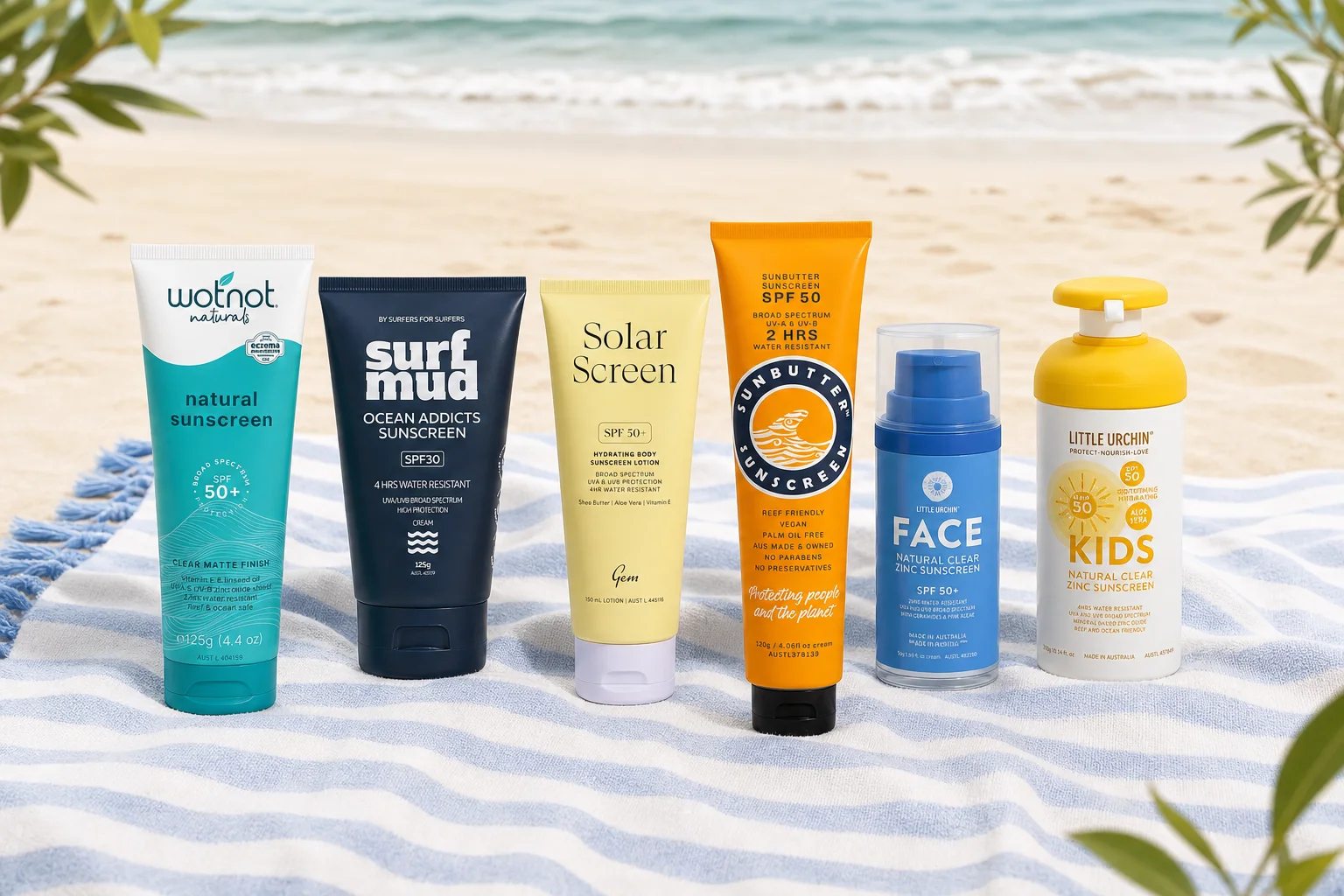
 Little UrchinLittle Urchin KIDS Natural Clear Zinc Sunscreen SPF 50+ 300gA vegan SPF 50+ mineral sunscreen for active kids, with clear zinc, aloe vera, chamomile and 4-hour water resistance in a 300g size.View product details$69.95
-
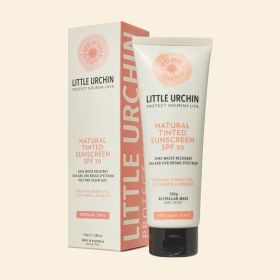 Little UrchinLittle Urchin Natural Tinted Sunscreen SPF30 100g3 hours water resistant. Broad Spectrum UVA & UVB. Medium Tint. Rich in Antioxidants. Reef Safe. Suitable to use on Sensitive Skin.View product details$29.95
-
 Little UrchinLittle Urchin Natural Face Sunscreen Clear Zinc SPF50 50g2 hours water resistant. Broad Spectrum UVA & UVB. Fragrance Free. Reef Safe. Jojoba & Vitamin E Enriched. Suitable to use on Sensitive Skin.View product details$24.95
-
 Little UrchinLittle Urchin Natural Zinc Stick Clear SPF50 20g4 hours water resistant. Broad Spectrum UVA & UVB. Pocket Size. Fragrance Free. Reef Safe. Suitable to use on Sensitive Skin.View product details$16.95
-
 Little UrchinLittle Urchin Natural Sunscreen Clear Zinc SPF50 100g4 hours water resistant. Broad Spectrum UVA & UVB. Fragrance Free. Reef Safe. Rich In Antioxidants with Anti-Ageing Benefits. Suitable to use on Sensitive Skin.View product details$29.95
-
 Little UrchinLittle Urchin Natural Zinc Stick Medium Tint SPF50 20g4 hours water resistant. Broad Spectrum UVA & UVB. Medium Tint, Natural Even Finish. Reef Safe. Suitable to use on Sensitive Skin.View product details$17.95
Water Resistant Sunscreen Comparison
Start with what you’ll be doing and how much skin you need to cover. The table below highlights the factors that tend to matter most in common outdoor situations without treating the longest water-resistance rating as automatically best.
| Activity | What to consider | Keep in mind |
|---|---|---|
| Everyday outdoor activity | Broad-spectrum protection, high SPF and a texture you’re comfortable wearing | Reapply during extended exposure |
| Swimming | A tested water-resistance rating suited to your plans | Reapply after swimming rather than relying only on the stated period |
| Beach day | Water resistance, generous body coverage and enough sunscreen for repeated applications | Use shade, clothing, a hat and sunglasses too |
| Running or cycling | Water resistance and a comfortable face or body texture | Sweat, wiping and friction from clothing or equipment can disturb coverage |
| Children playing outdoors | An age-appropriate formula with clear application directions | Pay particular attention to reapplication after water play |
| Family beach day | A practical pack size and a formula suitable for the intended family members | Allow enough product for generous application and reapplication |
| Outdoor work | High SPF, broad-spectrum protection and tested water resistance | Reapply regularly and combine sunscreen with protective clothing |
Is a 4-hour rating always the better choice?
Not necessarily. It establishes a longer tested water-resistance period, but the right choice also depends on age suitability, intended application area, texture, pack size and how you’ll use the product. It doesn’t change the guidance to reapply at least every two hours and after swimming, sweating or towel drying.
Should I choose separate face and body formulas?
That comes down to personal preference and labelled use. A multipurpose sunscreen can simplify packing for the beach or pool. Separate products allow you to choose a facial finish you enjoy wearing while using a larger body formula for exposed arms, legs and torso.
Water Resistant Sunscreen FAQs
What does water resistant sunscreen mean?
It means the finished sunscreen has been tested to maintain its claimed protection under specified water-exposure test conditions for the period stated on the product. The claim applies to that particular formulation and doesn’t come automatically from using zinc oxide, mineral filters or wax-based ingredients.
Is water resistant sunscreen waterproof?
No. Waterproof sunscreen is a common search term, but sunscreen is correctly described according to its tested water-resistance rating. Water, perspiration, rubbing and towel drying can disturb or remove the sunscreen layer, so no product should be treated as permanently waterproof or as a once-only application.
Do I need to reapply 4-hour water resistant sunscreen every two hours?
Yes. Australian guidance recommends reapplying sunscreen at least every two hours, as well as after swimming, sweating or towel drying. A 4-hour water-resistance claim describes performance under specified testing conditions; it isn’t an instruction to wait four hours between applications.
Does zinc sunscreen stay on better in water?
Not automatically. Zinc oxide is a mineral UV filter, but its presence doesn’t establish how water resistant the finished product is. Look for the specific water-resistance period stated for the sunscreen rather than assuming that every mineral or zinc formula performs the same way in water.
Can water resistant sunscreen be applied to wet skin?
Only when the individual product directions expressly allow it. Water resistance describes how a sunscreen performs after correct application; it doesn’t necessarily mean the formula is intended for application to wet skin. Most sunscreens are applied to clean, dry skin before going outdoors, according to their directions.
Practical Tips for Using Water Resistant Sunscreen
Water resistance works best as part of good sunscreen use, not as a substitute for it. A few practical habits can make coverage easier to maintain around the pool, at the beach or during active days outdoors.
Apply it before you need it
Apply sunscreen generously to clean, dry skin around 20 minutes before going outdoors, following the product directions. Doing this before leaving home gives you time to cover exposed areas carefully instead of rushing beside the pool or on the sand.
Use enough for proper coverage
Water resistance can’t compensate for applying too little. Cancer Council guidance for an average-sized adult is approximately seven teaspoons for a full-body application to exposed skin: one teaspoon for each arm and leg, one for the front of the torso, one for the back, and one for the face, neck and ears.
Reapply after towel drying
A towel physically rubs the skin and can disturb or remove sunscreen, including a water-resistant formula. Once you’ve dried off, reapply to exposed skin according to the product directions. The same principle applies after heavy sweating or wiping your face during sport.
Pay attention to swimwear edges
Swimwear can move as you swim and dry off. Cover the shoulders, upper chest, back, backs of the legs, tops of the feet, ears and neck, as well as skin around swimwear edges. Reassess exposed areas when changing clothing or after adjusting straps.
Use more than sunscreen alone
When UV levels are 3 or above, combine sunscreen with shade, protective clothing, a broad-brimmed hat and sunglasses. Rash shirts and protective swimwear can reduce the amount of exposed skin requiring sunscreen, which can make maintaining coverage during long periods around water more manageable.


