
Other body care essentials
-
 Thrive TallowThrive Tallow Non Tinted Sun Balm with Zinc 70mlThis balm provides a soothing, protective layer that helps support your skin’s overall vitality. Contains Zinc Oxide.View product details$39.95
-
 Little UrchinLittle Urchin Natural Zinc Stick Clear SPF50 20g4 hours water resistant. Broad Spectrum UVA & UVB. Pocket Size. Fragrance Free. Reef Safe. Suitable to use on Sensitive Skin.View product details$16.95
-
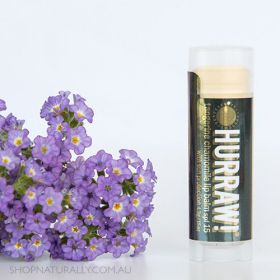 Hurraw Lip BalmHurraw! Lip Balm SPF15 Tangerine & Chamomile 4.3gA super smooth hydrating raw vegan SPF15 lip balm. Juicy Tangerine, Roman Chamomile and a hint of Vanilla make it nourishing and calming for your lips.View product details$8.95
-
 Little UrchinLittle Urchin Natural Sunscreen Clear Zinc SPF50 100g4 hours water resistant. Broad Spectrum UVA & UVB. Fragrance Free. Reef Safe. Rich In Antioxidants with Anti-Ageing Benefits. Suitable to use on Sensitive Skin.View product details$29.95
-
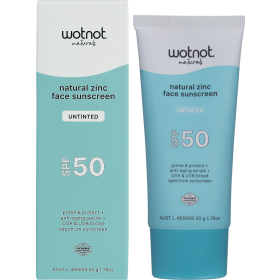 WotnotWotnot Natural Zinc Face Sunscreen Untinted SPF50 50gDedicated face sunscreen / makeup primer. Suitable for use while pregnant & for sensitive skin.View product details$30.95
-
 Little UrchinLittle Urchin Natural Zinc Stick Medium Tint SPF50 20g4 hours water resistant. Broad Spectrum UVA & UVB. Medium Tint, Natural Even Finish. Reef Safe. Suitable to use on Sensitive Skin.View product details$17.95

Natural Mineral Sunscreen Comparison
There isn’t one mineral sunscreen that will be the right fit for every person or occasion. Start with where and how you’ll use it, then narrow the choices by finish, water resistance, age guidance and formulation preferences.
| If you’re looking for | Consider | Why it may suit |
|---|---|---|
| Everyday facial SPF | Face sunscreen | Often formulated around facial texture, tint and matte, natural or dewy finishes. |
| SPF within a skincare routine | SPF moisturisers | Useful if you prefer a moisturiser-style facial product with labelled sun protection. |
| Coverage over larger areas | Body or face-and-body sunscreen | Larger formats and easily spreadable textures can be practical for generous application. |
| Beach, swimming or sport | Water-resistant sunscreen | Look for the tested water-resistance period that matches your intended activity. |
| A less visible zinc finish | Clear or tinted mineral sunscreen | These formulas may reduce the appearance of traditional white zinc, although results vary by formula and skin tone. |
| Complexion colour with SPF | Tinted face sunscreen | Adds colour and may help create a more even-looking cosmetic finish. |
| A straightforward family product | Face-and-body or family formula | One multipurpose sunscreen may suit several uses, subject to its age guidance and directions. |
| Sunscreen for a baby or child | Age-specific formula | Provides clear minimum-age guidance and directions for that particular product. |
| An animal-free formulation | Confirmed vegan sunscreen | Avoids assuming that every mineral formula is vegan simply because it uses zinc oxide. |
Is a clear formula always better for everyday wear?
Not necessarily. Clear zinc can appeal if visible cast is your main concern, while a tinted formula may suit someone who prefers added complexion colour. Others are comfortable with a traditional zinc finish. Texture and feel matter too, particularly when you’ll be applying the full recommended amount.
Do I need a separate sunscreen for swimming?
If you’ll be swimming, sweating or spending an active day outdoors, choose a product with a suitable tested water-resistance rating. For ordinary daily wear, finish and comfort may be more influential. In either case, follow the reapplication directions rather than treating water resistance as all-day protection.
Natural Mineral Sunscreen FAQs
Is zinc sunscreen the same as mineral sunscreen?
Generally, zinc sunscreen is a type of mineral sunscreen that uses zinc oxide as an active UV filter. Mineral sunscreens may use zinc oxide, titanium dioxide or a permitted combination, depending on the product. Shop Naturally’s sunscreen range is predominantly focused on zinc oxide formulations.
Does mineral sunscreen leave a white cast?
Some formulas can leave a visible finish, but modern zinc sunscreens vary considerably. Clear zinc and tinted products may reduce the appearance of white cast, while traditional formulas can remain more noticeable. How a product looks will also depend on your skin tone, the individual formula and the amount applied.
Can I use body sunscreen on my face?
Often, yes, provided the product is labelled for facial use or for both face and body. Face-specific sunscreen may offer a lighter texture, tint or cosmetic finish that some people prefer for daily wear. If a multipurpose formula feels comfortable and its directions include facial application, one product may be enough.
Is mineral sunscreen always water resistant?
No. Water resistance is a tested product claim, not an automatic characteristic of mineral sunscreen. Some products in the range carry two-hour or four-hour water-resistance ratings, while others are intended mainly for everyday wear. Water-resistant sunscreen still needs to be reapplied at the directed intervals and after swimming, sweating or towel drying.
Is natural mineral sunscreen always vegan?
No. A mineral active ingredient doesn’t establish whether the complete formula is vegan. Some sunscreens contain animal-derived ingredients such as beeswax, while other products use plant-derived alternatives. If this matters to you, choose a sunscreen whose vegan status has been specifically confirmed by its manufacturer.
Practical Advice for Using Mineral Sunscreen
A formula’s labelled protection depends on how it’s applied and used. A few practical habits can make a significant difference, whether you’ve chosen clear zinc, a tinted facial SPF or a water-resistant family sunscreen.
Choose a texture you’ll apply generously
The most suitable sunscreen is one you’ll willingly apply at the required amount and reapply throughout the day. If you dislike a formula so much that you use only a very thin layer, another suitable texture or finish may be a more practical choice. The TGA similarly recommends choosing a sunscreen you prefer because you’re more likely to use it frequently.
Don’t apply facial SPF like foundation
It’s easy to use only enough facial sunscreen to create a comfortable cosmetic finish, but that may not be enough to achieve the labelled SPF. Cancer Council recommends approximately one teaspoon for the face, neck and ears combined. A more elegant facial texture doesn’t reduce the amount needed for sun protection.
For an exposed adult body, the general recommendation is around seven teaspoons in total: one teaspoon for each limb, the front of the torso, the back of the torso, and the face, neck and ears.
Apply it before you head outside
Current Australian sun-protection guidance recommends applying sunscreen generously to clean, dry skin 20 minutes before going outdoors. This is easier to do at home than once you’re at the beach, park or sports ground. Follow the individual product directions, including any guidance for shaking fluid formulas or avoiding the eye area.
Reapply even when it’s water resistant
Cancer Council recommends reapplying sunscreen every two hours and after swimming, sweating or towel drying. A four-hour water-resistance rating describes performance under specific test conditions; it doesn’t mean one application should be left untouched for four hours during an active day.
Use sunscreen as one part of sun protection
When UV levels are 3 or above, combine sunscreen with protective clothing, a broad-brimmed hat, shade and sunglasses. Sunscreen is valuable for exposed skin, but it isn’t intended to act as a suit of armour or extend the amount of time you spend in direct sun.


