
Narrow your conditioner choice + other ways to nurture your hair
-
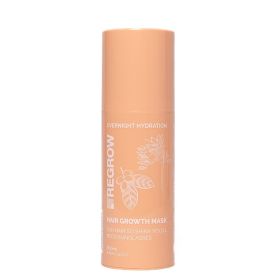 Regrow Hair ClinicsRegrow Hair Clinics Hair Growth Mask 200mlBest Before 27/10/24 | A weekly unisex hydration mask and scalp soother to help heal scalps with issues around dandruff, seborrheic dermatitis and other common scalp comp…View product detailsSpecial Price $35.95 Regular Price $44.95Save 20%
 -
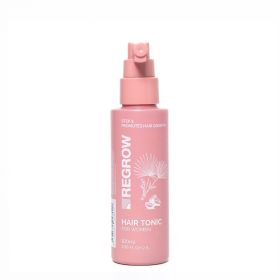 Regrow Hair ClinicsRegrow Hair Clinics Hair Tonic For Women 100mlA leave in tonic following Regrow Shampoo & Conditioner to promote hair growth naturally.View product details$54.95
 -
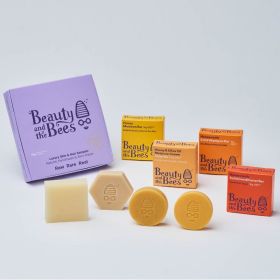 Beauty and the BeesBeauty and the Bees Luxury Skin & Hair SamplerThe ultimate travel pack or get a taste for how amazing these plastic free, zero waste products truly air. Shampoo, Conditioner, Moisture Bar + SoapView product details$18.15
 -
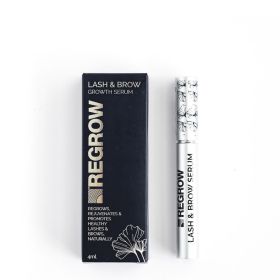 Regrow Hair ClinicsRegrow Hair Clinics Lash & Brown Growth Serum 4mlFor longer lashes and thicker brows. Dual action formula to stop lashes & brows from falling out plus natural protein builders.View product details$79.95
 -
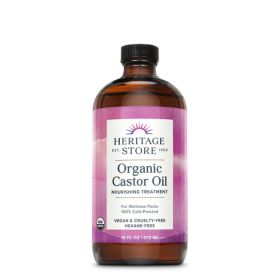 Heritage StoreHeritage Store Organic Castor Oil in Glass Bottle%3Cp%3ECold+pressed%2C+hexane+free+and+packed+in+a+glass+bottle.+Available+in+2+sizes.%3C%2Fp%3EView product detailsSpecial Price $39.95 Regular Price $49.95Save 20%
 -
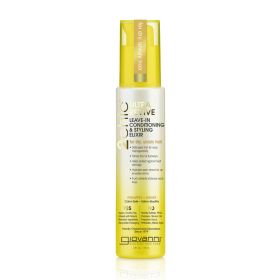 GiovanniGiovanni 2chic Ultra-Revive Leave-In Conditioner 118mlDetangles hair for easy manageability, tames frizz & flyaways Provides protection against heat damage and conditions & hydrates each strand for an enviable shine.…View product details$22.95
 -
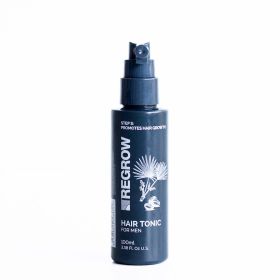 Regrow Hair ClinicsRegrow Hair Clinics Hair Tonic For Men 100mlA leave in tonic following Regrow Shampoo & Conditioner to promote hair growth naturally.View product details$54.95
 -
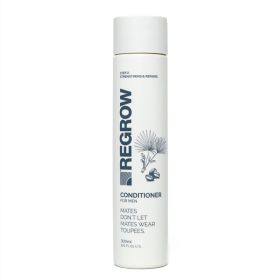 Regrow Hair ClinicsRegrow Hair Clinics Conditioner For Men 300mlFollow the shampoo with this conditioner that regrows, rejuvenates and promotes healthy & lush, vibrant hair.View product details$38.95
 -
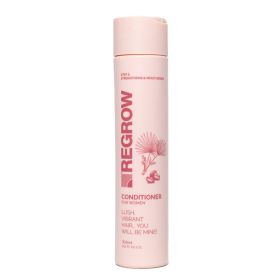 Regrow Hair ClinicsRegrow Hair Clinics Conditioner For Women 300mlFollow the shampoo with this conditioner that regrows, rejuvenates and promotes healthy & lush, vibrant hair.View product details$38.95
Liquid, Bar or Leave-In Conditioner?
Conditioner format influences how the product is applied, when it is rinsed and how easily you can control the amount. None is universally better: the most suitable option depends on your washing routine, preferred format and how much ongoing conditioning your hair needs.
| Format | Best for | How it's used | Key consideration |
|---|---|---|---|
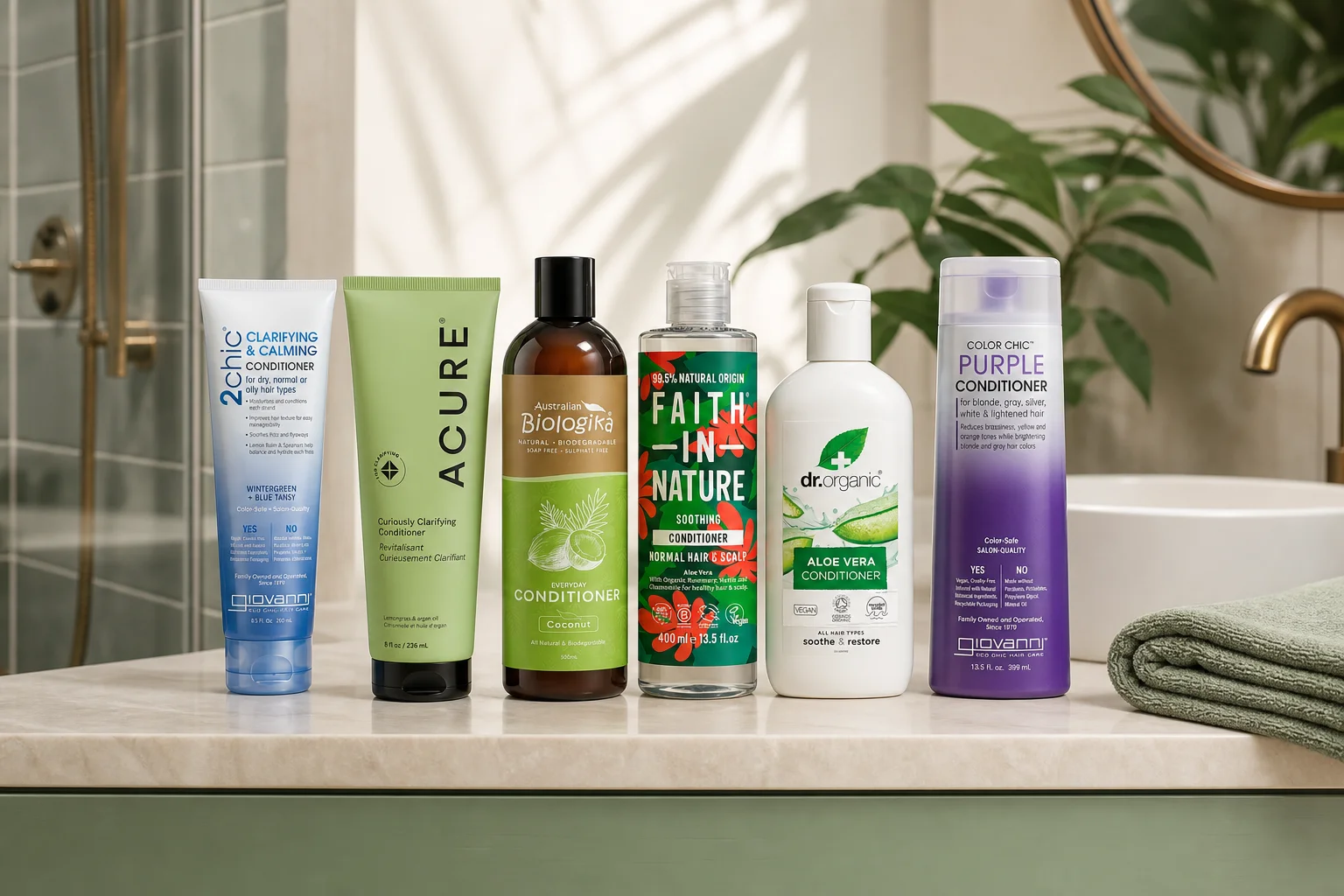
| Liquid conditioner | Familiar everyday conditioning with a broad choice of textures and conditioning levels | Distribute through wet hair after shampooing, allow the recommended contact time and rinse | Choose a lighter or richer formula according to your hair rather than assuming more richness is always better |
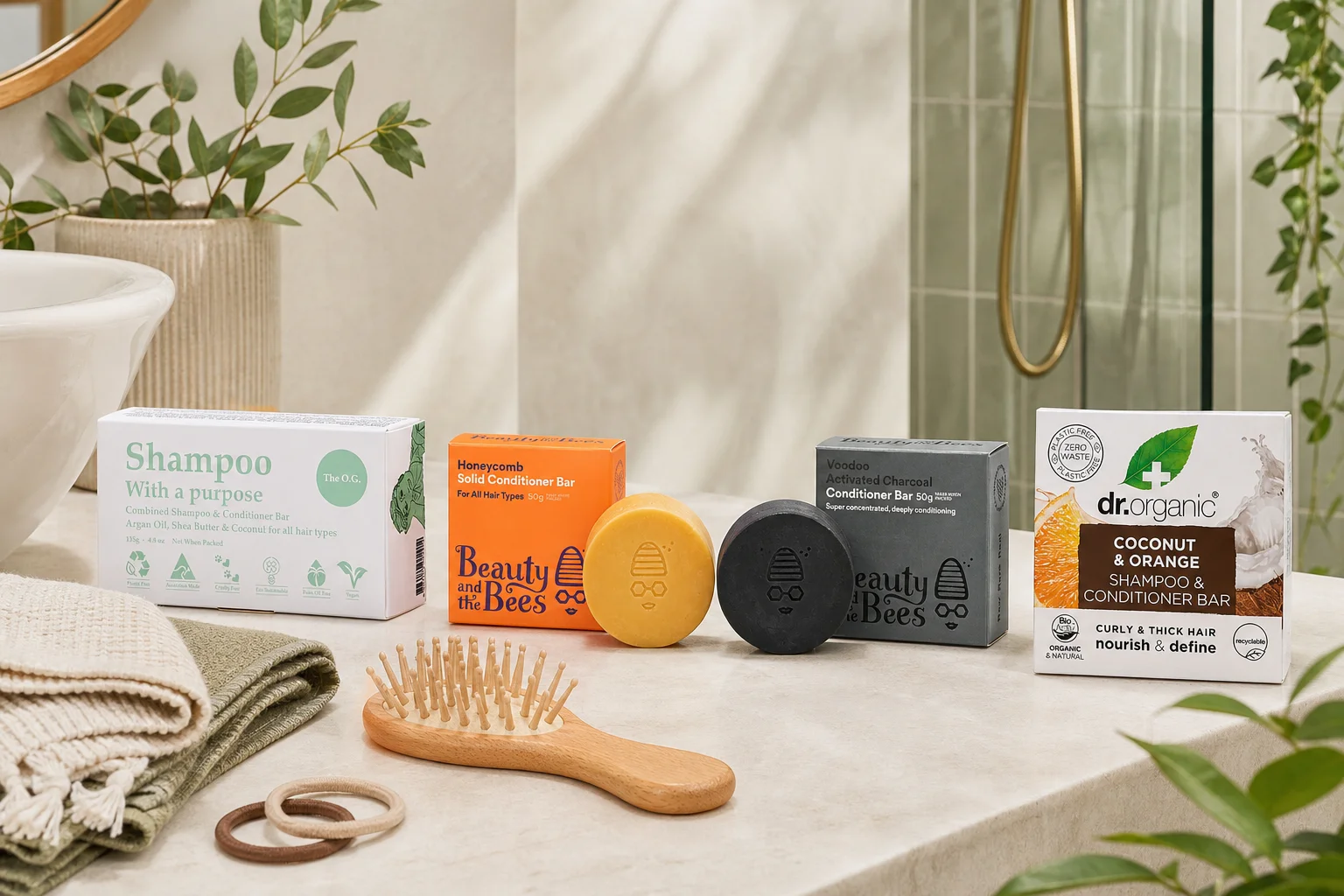
| Conditioner bar | Concentrated solid conditioning and customers who prefer a bar format | Glide over wet hair or apply according to the product directions, distribute and rinse | Application technique and the amount transferred to the hair can vary between formulas |
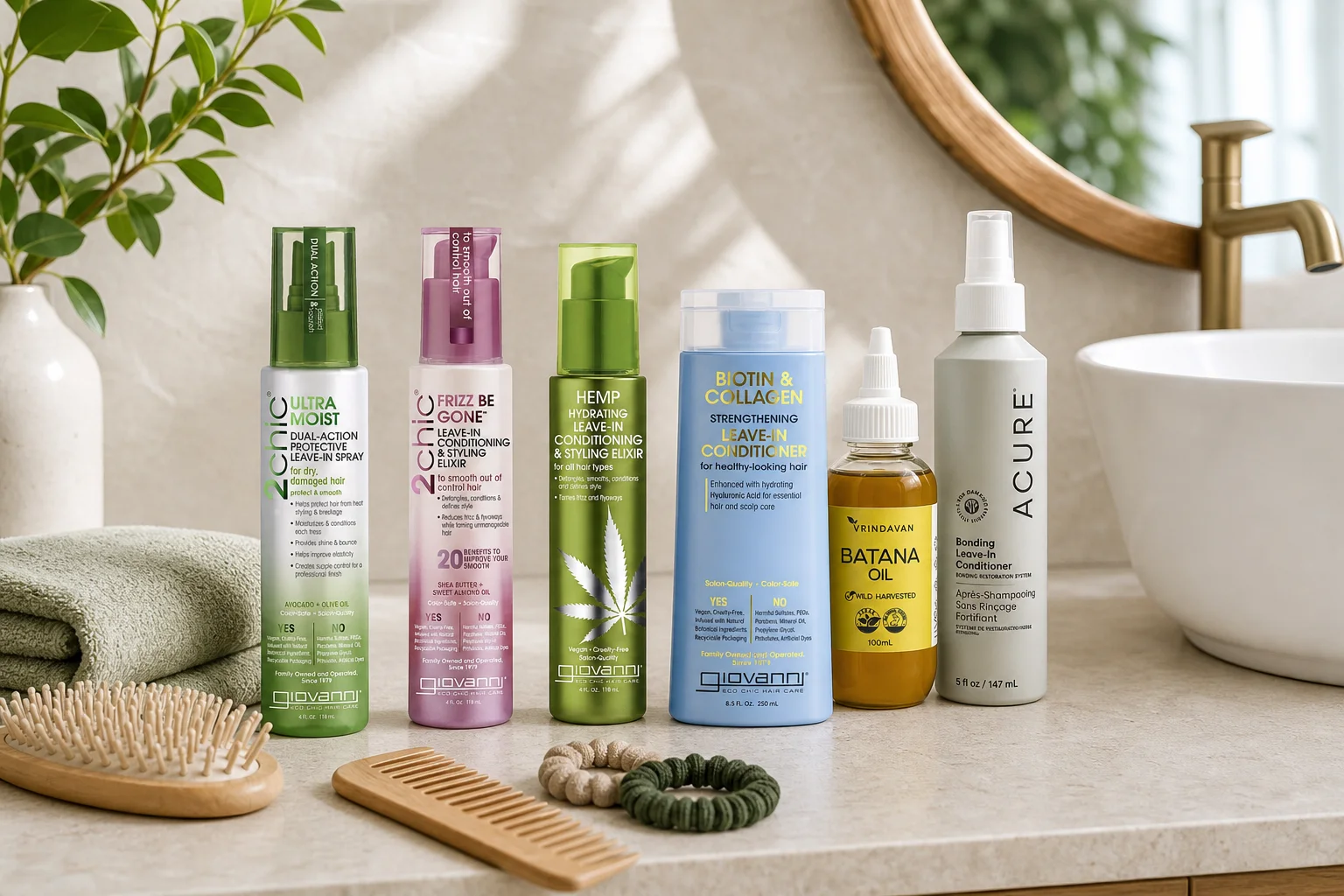
| Leave-in conditioner | Additional conditioning, detangling, smoothing or styling support | Apply a small amount to the recommended areas and leave it in the hair | Start lightly, especially on fine hair, and add more only where needed |
Leave-in conditioner isn't simply rinse-out conditioner that you don't rinse out. These products are formulated for different methods of use, so follow the directions for the individual product.
Can I use rinse-out and leave-in conditioner together?
Yes. Some people use a rinse-out conditioner during washing and follow with a small amount of leave-in product through the lengths or other areas needing extra detangling or styling support. Others find that one format provides all the conditioning they need. Using both doesn't mean using a full amount of each; start lightly and adjust according to how your hair feels.
Is a conditioner bar richer than a liquid conditioner?
Not necessarily. Bar and liquid describe the product format, not a fixed conditioning level. Both can vary in richness, slip and intended hair suitability. Choose according to the individual formula and your hair's needs rather than assuming a solid product will be lighter or heavier.
Natural Hair Conditioner FAQs
What does hair conditioner actually do?
Conditioner smooths and conditions the hair surface, adding slip so strands feel softer, more manageable and easier to detangle. This can reduce the pulling and friction involved in combing or brushing wet hair. Different formulas provide different levels of conditioning, so the result depends on both the product and how well it suits your hair.
Do I need to use conditioner every time I shampoo?
Not necessarily. Long, dry, coarse or curly hair may benefit from conditioning after every shampoo, while very short or easily weighed-down hair may need less. Your shampoo, washing frequency, styling habits and personal preference also affect the answer. Pay attention to how manageable your hair feels after washing and adjust your conditioning routine accordingly.
Should I put conditioner on my scalp?
For many rinse-out conditioners, concentrating on the mid-lengths and ends is sufficient, particularly when the roots become heavy easily. Some conditioners are specifically designed for use on the scalp or throughout short hair, so application can vary. Follow the directions for the particular formula rather than applying one rule to every conditioner.
Can I use a leave-in conditioner instead of regular conditioner?
Sometimes. A leave-in conditioner may provide enough conditioning for some hair types, particularly when used for light detangling or styling support. Other people prefer a rinse-out conditioner during washing followed by a small amount of leave-in where extra softness or slip is wanted. Use each product according to its intended method rather than leaving a rinse-out formula in the hair.
How much conditioner should I use?
Use enough to distribute through the areas that need conditioning. Hair length, thickness, texture and the concentration of the product all influence the amount required. Start with a modest quantity, work it through the hair and add a little more only where you aren't getting enough slip. Conditioner bars may require a different technique from liquid formulas.
Expert Advice for Getting More from Your Conditioner
A few small changes in application can noticeably affect how evenly conditioner spreads and how your hair feels afterwards. These techniques are useful across many formulas, while the directions for your particular product should guide contact time and rinsing.
Remove excess water first
Hair that's absolutely dripping can dilute conditioner and make it harder to distribute through the areas that need it. After rinsing out shampoo, gently squeeze excess water from the lengths before applying conditioner. The hair should remain wet, but it doesn't need to be carrying a stream of water.
Start where your hair needs it most
With longer hair, the mid-lengths and ends are often the best starting point because they experience more brushing, styling and general wear. Work any remaining product towards other areas if needed. If your chosen conditioner is specifically intended for scalp use, follow its application directions instead.
Use enough to create slip, not a coating
More conditioner isn't automatically more effective. Distribute a modest amount through the hair and notice whether your fingers or comb can move through the lengths more comfortably. Add a little more only to areas that still need it. Sectioning thick or long hair can improve coverage without requiring an excessive amount.
Give it the recommended time
Some conditioners are made to work quickly, while others recommend remaining on the hair for several minutes. Leaving every conditioner on for longer won't necessarily improve the result. Apply it early enough in your washing routine to allow the stated contact time, then rinse as directed.
Detangle gently
If the product provides good slip and its directions allow it, conditioning can be a useful time to work through tangles. Begin near the ends with your fingers or an appropriate wide-tooth comb, then move gradually upwards. This is gentler than pulling from the roots through every knot in one pass.
Rinse according to the formula
Rinse-out conditioner and leave-in conditioner are made for different jobs. Leaving some rinse-out conditioner behind doesn't provide the same controlled result as applying a product formulated to remain in the hair. If you want ongoing conditioning or styling support, use a suitable leave-in formula and begin with a small amount.


