
You might also like
-
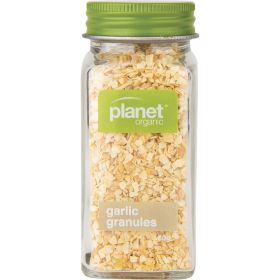 Planet OrganicPlanet Organic Garlic Granules 60gGarlic is a member of the onion family and has a full bodied savoury flavour.View product details$7.95
-
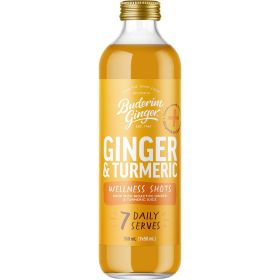 Buderim GingerBuderim Ginger Ginger & Turmeric Wellness Shots 350mlOur Ginger & Turmeric Wellness Shots are your daily dose for both body and mind.View product details$12.95
-
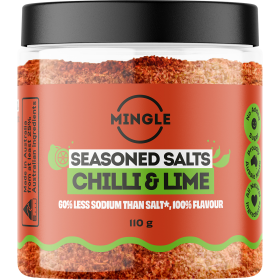 MingleMingle Chilli & Lime Seasoned Salts 110gA little zesty, a little chilli & whole lot of flavour.View product details$11.95
-
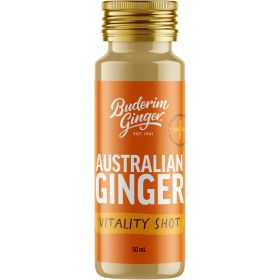 Buderim GingerBuderim Ginger Australian Ginger Vitality Shot 50ml x 10 packBuderim Ginger’s Australian Ginger Shots are made with ginger juice which contains naturally occurring gingerols, the key health element of ginger.View product details$45.00
-
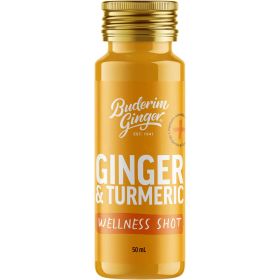 Buderim GingerBuderim Ginger Ginger & Turmeric Wellness Shot 50ml x 10 packOur Ginger & Turmeric Wellness Shots are your daily dose for both body and mind.View product details$45.00
-
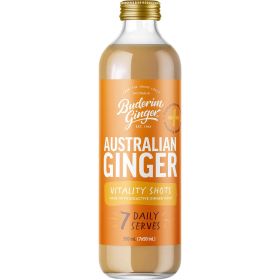 Buderim GingerBuderim Ginger Australian Ginger Vitality Shots 350mlBuderim Ginger’s Australian Ginger Shots are made with ginger juice which contains naturally occurring gingerols, the key health element of ginger.View product details$12.95
-
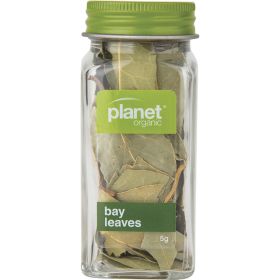 Planet OrganicPlanet Organic Bay Leaves 5gDiscover the magic of Bay Leaves! Our organic, dried bay leaves will bring a robust taste to any recipe.View product details$6.95
Herbs & Spices Comparison
Individual herbs and spices give you more control over the flavour of a dish, while blends offer convenience when you want several complementary flavours in one product. Format can also make a difference to how you prepare and use an ingredient.
| Type | Best suited to | Key advantage | Things to consider |
|---|---|---|---|
| Individual dried herbs | Everyday savoury cooking | Easy to combine and adjust to suit the dish | Dried herbs can differ in flavour and strength from fresh herbs |
| Ground spices | Quick, even seasoning | Easy to distribute through sauces, batters, marinades and cooked dishes | Strong spices are best added gradually until you know the flavour |
| Whole spices | Toasting, infusing or grinding | Can be prepared in different ways to suit the recipe | May require grinding or additional preparation |
| Herb and spice blends | Convenient everyday seasoning | Several complementary flavours are already combined | Check the ingredients before adding additional herbs or seasoning |
Single-ingredient herbs and spices are useful when you want to build a flavour from scratch or adjust individual ingredients independently. Blends reduce measuring and can make it easier to create a consistent flavour, particularly for quick everyday meals.
Whichever format you prefer, compare pack sizes with how frequently you are likely to use the ingredient. Herbs and spices gradually lose aroma and flavour during storage, so buying a very large pack is not necessarily better value if it will sit in the pantry for a long time. Organic options are also available across the range for shoppers who prefer them.
Frequently Asked Questions About Herbs & Spices
What is the difference between herbs and spices?
Culinary herbs generally come from the leafy parts of plants, while spices can come from seeds, roots, bark, fruits and other plant parts. In the kitchen, herbs are often used for fresh, savoury or aromatic flavours, while spices can add warmth, sweetness, earthiness, heat and complexity. Seasoning blends may combine several herbs and spices in one product.
Are dried herbs stronger than fresh herbs?
Dried herbs can have a more concentrated flavour than fresh herbs because much of their water has been removed, but the difference varies considerably between herbs. There is no single substitution ratio that works for every variety, so when replacing fresh herbs with dried, start with a smaller amount and adjust to taste.
When should I add dried herbs when cooking?
Many dried herbs benefit from being added during cooking so they have time to rehydrate and release their flavour. This works particularly well in soups, sauces, casseroles and slow-cooked dishes. More delicate herbs may lose some of their character during long cooking, so the best timing will depend on the herb and recipe.
Should I toast spices before using them?
You don't have to toast spices, but gently heating some spices can bring out more of their aroma and flavour. Whole spices can be dry-toasted before grinding or adding to a dish, while ground spices can be briefly heated as part of a recipe. Keep the heat controlled, as spices can burn quickly and develop a bitter flavour.
Can I substitute one herb or spice for another?
Sometimes, but the result will not necessarily taste the same. Herbs and spices can have very different flavour profiles and strengths, even when they are commonly used in similar dishes. Consider the role the ingredient plays in the recipe and start with a conservative amount when trying a substitute.
How long do dried herbs and spices last?
Dried herbs and spices gradually lose aroma, colour and flavour over time. How quickly this happens depends on the ingredient, packaging and storage conditions. Use the dates on the packaging as your guide and replace older herbs and spices when their aroma and flavour have noticeably faded.
How should I store herbs and spices?
Keep dried herbs and spices tightly closed in a cool, dry place away from direct sunlight, heat, steam and moisture. A pantry or cupboard away from the stove is generally preferable to storing them immediately above or beside a cooktop, where heat and steam can affect them more quickly.
Are all of your herbs and spices organic?
No. Shop Naturally stocks a range of organic herbs and spices alongside other seasonings and cooking ingredients. Look at the individual product information when you specifically want an organic option, including any organic certification provided for that product.
Expert Advice
Start with less and build the flavour
When cooking without a familiar recipe, add strongly flavoured herbs, spices and seasoning blends gradually. It is easier to add more than to correct a dish that has become overpowering. Give the flavours time to disperse through the dish before tasting and deciding whether it needs more.
Release the aroma of dried herbs
Gently rubbing dried leafy herbs between clean fingers before adding them can help release their aroma. This works particularly well with larger dried leaves that have been sitting in the pantry, but is unnecessary for finely ground herbs and spices.
Bloom ground spices carefully
Some ground spices become more aromatic when briefly heated in oil or another cooking fat as part of a recipe. Keep the heat controlled and have the next ingredients ready to add, as powdered spices can scorch quickly and develop a bitter flavour.
Toast whole spices before grinding
Where a recipe suits the technique, briefly warm whole spices in a dry pan until they become aromatic. Keep them moving and remove them from the heat before they scorch. Allow them to cool before grinding, then use them according to your recipe.
Add robust and delicate flavours at different stages
Robust dried herbs and spices can often withstand longer cooking, making them useful in sauces, soups, casseroles and slow-cooked dishes. More delicate aromatic herbs may retain more of their character when added later. The best timing depends on the particular ingredient and the dish you are preparing.
Keep moisture out of herb and spice containers
Steam can introduce moisture into dried herbs and spices, so avoid shaking a container directly over a steaming pot. Measure what you need away from the steam and close the container promptly. This is particularly useful for finely ground ingredients, which can clump when exposed to moisture.
Need Help Choosing?
Contact the Shop Naturally team if you need help comparing herbs, spices, blends, pack sizes or organic options. We can help you understand the product information and narrow down the choices for your cooking.


