
Each step in your regime
-
 Dr OrganicDr Organic Skin Calm Probiotic Recovery Mask 100mlRevitalise dry, stressed and sensitive skin with our soothing Skin Calm Probiotic Recovery MaskView product details$29.95
-
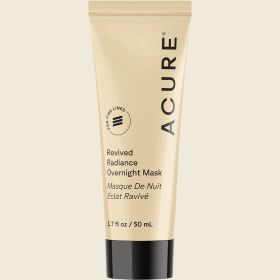 Acure Revived Radiance Overnight Mask 50mlAn overnight mask that smooths the look of fine lines and wrinkles, and promotes supple elasticity.View product details$49.95
-
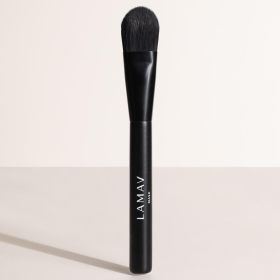 La MavLa Mav Mask BrushA soft facial mask brush designed to help apply face masks smoothly and evenly with less mess and product waste.View product detailsSpecial Price $22.10 Regular Price $26.00Save 15%
-
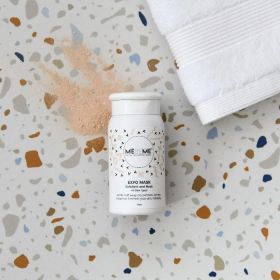 MebemeMebeme Exfo Mask 2in1 Exfoliant & Mask 75gThis exfoliant and mask is as gentle as it is effective. Designed to gently buff away dry patches of skin and remove pore clogging debris.View product details$19.95
Compare Natural Face Mask Types
The clearest way to narrow your choice is to compare each mask’s format with its main cosmetic purpose. Frequency is often product-specific, particularly for exfoliating, clay and overnight masks, so the table provides general orientation rather than a universal schedule.
| Mask type | Typical texture | Main cosmetic role | Typical frequency | A useful choice when you want |
|---|---|---|---|---|
| Hydrating mask | Gel, cream or sheet | Adds hydration or conditioning | Periodically or as directed | Extra moisture without assuming a particular richness |
| Clay mask | Clay or paste | Absorbs excess surface oil and provides a cleansing experience | Periodically or as directed | A rinse-off cleansing mask |
| Cream mask | Rich cream | Moisturises and conditions | Periodically or as directed | A more substantial skin feel |
| Gel mask | Lightweight gel | Usually hydrating, refreshing or targeted by formulation | As directed | A light, cooling-feeling texture |
| Exfoliating mask | Gel, cream or paste | Exfoliates according to its ingredients | Product-specific | Exfoliation in a timed mask format |
| Powder mask | Dry powder mixed before use | Varies by formulation | Product-specific | A freshly mixed consistency |
| Sheet mask | Pre-soaked sheet | Usually hydrates or conditions | Periodically or as directed | A ready-to-use application |
| Overnight mask | Cream or gel | Extended moisturising or conditioning | Product-specific | A leave-on evening treatment |
Can I use more than one type of face mask?
Yes, although there’s no need to build a collection of masks unless different products serve a useful purpose for you. You might use a hydrating mask when your skin feels dry and choose a clay or exfoliating formula at another time, following the directions and frequency for each.
Can I use different masks on different parts of my face?
Yes, where the individual directions allow it. This targeted approach is sometimes called multi-masking. A clay mask might be applied to oilier areas, while a hydrating formula is used elsewhere, avoiding unnecessary overlap between stronger or exfoliating products.
Natural Face Masks FAQ
What does a face mask do?
It depends on the formulation. A facial mask may hydrate, moisturise, condition, absorb excess surface oil, provide a cleansing experience, exfoliate or feel cooling and refreshing. One mask won’t necessarily perform all of these roles, so its stated cosmetic purpose is more useful than relying on broad terms such as natural or treatment.
How often should I use a face mask?
There’s no universal frequency. Some masks are intended for occasional use, while others have more specific timing based on their ingredients and format. Follow the directions for your selected product, particularly with clay, enzyme, acid and other exfoliating masks. Using a mask more often or leaving it on longer isn’t necessarily more effective.
How do I choose a face mask for dry skin?
Start with hydrating, moisturising or conditioning formulas made for the skin feel you want. Gels can provide a lighter experience, while cream and overnight masks may feel richer. Products carrying similar descriptions can still have quite different textures, so consider the complete formulation and verified skin-suitability information.
Are natural face masks suitable for sensitive skin?
Not automatically. Natural facial masks can contain fragrance, essential oils, botanical extracts, fruit enzymes or exfoliating acids, all of which may matter to individual sensitivities. Look for products specifically described as suitable for sensitive skin, patch test when recommended and keep to the stated application time.
What does organic mean on a face mask?
Organic may refer to one or more ingredients, or it may mean the complete product holds a recognised organic certification. A mask made with organic ingredients isn’t necessarily certified organic as a whole. Shop Naturally carries organic choices from Australian brands, with the relevant ingredient or certification details provided for each product.
Expert Advice for Using Face Masks
A face mask should add something useful or enjoyable to your routine without becoming complicated. A few practical habits can make clay, cream, gel, exfoliating and powder masks easier to use.
Read the Timing and Removal Directions First
Application thickness, treatment time, removal method and recommended frequency can differ substantially between masks. This is especially important for clay, enzyme and acid formulas. If the directions specify ten minutes, leaving the product on for thirty isn’t an upgrade and may change how the mask feels on your skin.
Start with Clean Skin
Most masks are applied to clean skin unless their directions say otherwise. Remove makeup and surface residue first so you can apply the mask evenly. There’s no need to add elaborate steps such as steaming unless they’re specifically recommended for the product you’re using.
Apply the Mask Where It’s Useful
You don’t always need to cover your entire face. Targeted application can work well for combination skin, particularly when using clay on oilier areas. Keep exfoliating formulas away from areas that don’t need exfoliation and avoid applying face masks too close to the eyes unless the product is intended for that area.
Account for Exfoliation Elsewhere in Your Routine
If your mask contains acids, fruit enzymes or exfoliating particles, treat it as an exfoliating step rather than a simple moisturising treatment. Using another strong exfoliant in the same routine may be unnecessary. Keep the rest of that routine straightforward and follow any product-specific guidance about combining active ingredients.
Remove the Mask Without Aggressive Scrubbing
Soften and rinse a dried mask according to its directions rather than rubbing firmly to lift it away. A soft, damp face cloth can assist where appropriate, but the removal process shouldn’t become an extra exfoliating step unless the product is specifically intended to work that way.
Keep Powder and Jar Masks Fresh
Use clean, dry hands or utensils when taking product from a jar. For powder masks, mix only the amount needed for that application and avoid introducing water into the main container unless the manufacturer specifically directs you to mix it there. Keeping the remaining powder dry helps preserve the product in its intended form.


