
Your Favourite Natural Skin Care Brands

-
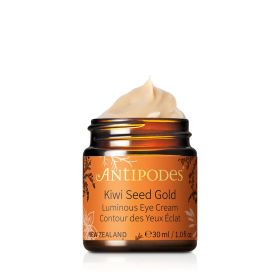 AntipodesAntipodes Kiwi Seed Gold Luminous Eye Cream 30mlSkin Brightening eye cream targeting dark circles & for dull skin and uneven pigmentationView product details$76.00
 -
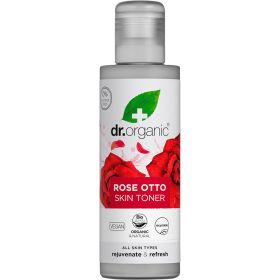 Dr OrganicDr Organic Rose Otto Skin Toner 150mlA replenishing toner for mature skin. Refresh and hydrate after your cleanser.View product details$14.95
 -
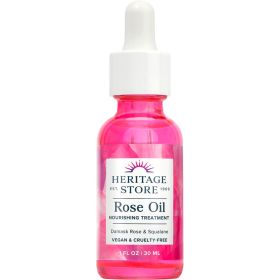 Heritage StoreHeritage Store Rose Oil 30mlThis truly nourishing blend of oils smooths and helps diminish the look of fine lines, while it replenishes and brings out a radiant glow. Signature rose scent. Suitable …View product details$39.95
 -
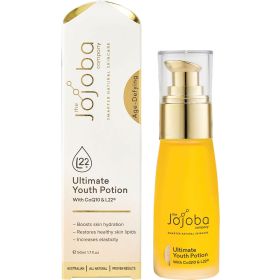 The Jojoba CompanyThe Jojoba Company Jojoba Ultimate Youth Potion with CoQ10 & L22® 50mlThe visible results you'd expect from a serum, now in our most loved facial oil.View product details$49.95
 -
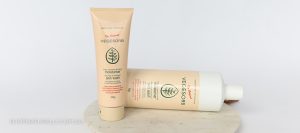
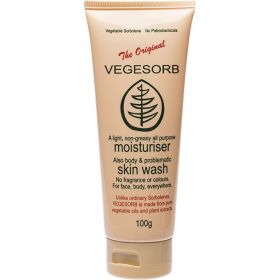 VegesorbThe Original Vegesorb 100gVegesorb is a non-greasy moisturiser based on natural Almond and Apricot kernel oil. Fragrance and colour free and safe to use on sensitive skin.View product details$15.95
 -
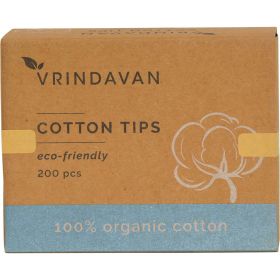 VrindavanVrindavan Organic Cotton Tips 200Made with sustainable bamboo stems and 100% GOTS-certified organic cotton, these tips are plastic-free and packaged in a fully recyclable cardboa…View product details$8.95
 -
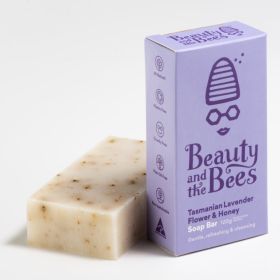 Beauty and the BeesBeauty and the Bees Soap Bar Tasmanian Lavender Flower & Honey 120gFrolic in fields of lavender (twirling optional) with this handmade lavender soap. Infused with Tasmananian lavender essential oil and flowers to cleanse, moisturise and …View product detailsSpecial Price $8.28 Regular Price $9.20Save 10%
 -
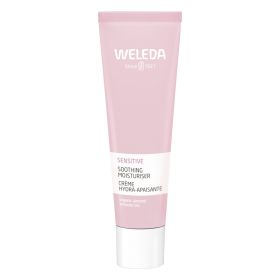 WeledaWeleda Sensitive Soothing Moisturiser Almond 30mlDay and night care for sensitive dry skin in a fragrance-free rich cream with almond oil. Keep your skin calm and carry on daily life – all the ingredients in Sensitive…View product details$30.95
 -
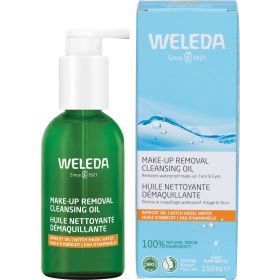 WeledaWeleda Make-up Removal Cleansing Oil 150mlGently removes make-up and impurities and nourishes skin. Fragrance-free cleansing oil, 100% natural origin with apricot oil and witch hazel water, gently removes make-up…View product details$32.95
 -
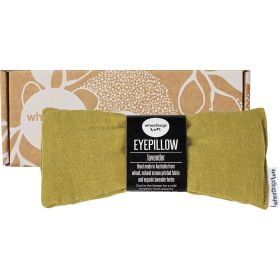 Wheatbags LoveWheatbags Love Eyepillow Luxe Linen Pistachio Lavender ScentedHaving a cold eye pillow (see below about how to cool it) is also very lovely on sore eyes or when you have a headache or migraine.View product details$29.95
 -
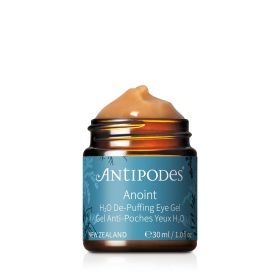 AntipodesAntipodes Anoint H2O De-Puffing Eye Gel 30mlHydrating eye gel to reduce puffiness with coffee berry and red algaeView product detailsSpecial Price $50.15 Regular Price $59.00Save 15%
 -
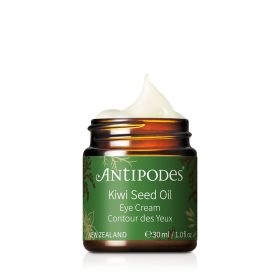 AntipodesAntipodes Kiwi Seed Oil Eye Cream 30mlAnti-ageing eye cream to soften fine lines, hydrate skin and boost collagen production around the eyes.View product detailsSpecial Price $57.80 Regular Price $72.00Save 20%
 -
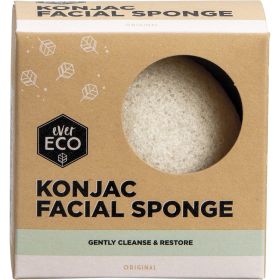 Ever EcoEver Eco Konjac Facial Sponge OriginalGently cleanse and exfoliate your way to seriously smooth skin with 100% natural konjac.View product details$9.95
 -
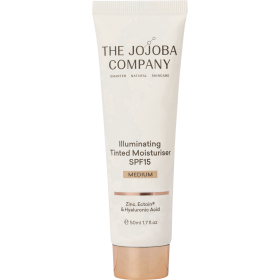 The Jojoba CompanyThe Jojoba Company Illuminating Tinted Moisturiser SPF15 Medium 50mlA daily jojoba-based tinted moisturiser to enhance skin radiance, hydrate and protect the skin.View product details$44.95
 -
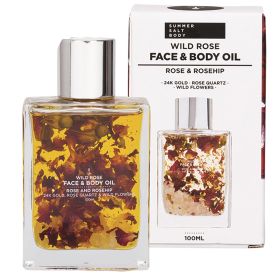 Summer Salt BodySummer Salt Body Face & Body Oil 24K Gold Wild Rose Rose Quartz 100ml24K GOLD - WILD FLOWERS - ROSE QUARTZView product details$60.00
 -
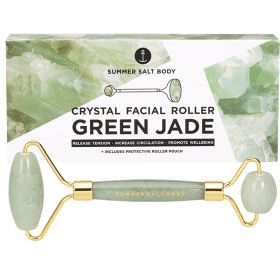 Summer Salt BodySummer Salt Body Crystal Facial Roller Green JadeUsed in beauty rituals for thousands of years, Crystal Face Rollers have many benefits for your skin.View product details$42.00
Compare Natural Skin Care Products
Each product type has a different place in a routine, but only a few steps are foundational. Use this table to see where natural face products generally fit and which additions are entirely optional.
| Product type | Main purpose | Typical texture | Role in a routine | Typical place in a routine |
|---|---|---|---|---|
| Cleanser | Removes makeup, sunscreen, oil and daily residue | Gel, cream, milk, oil, balm or foam | Core | First |
| Toner or mist | Product-specific hydration, refreshing or preparation | Liquid or mist | Optional | After cleansing |
| Serum | Adds targeted cosmetic ingredients | Liquid, gel or light emulsion | Optional | Before moisturiser |
| Face oil | Provides oil-based conditioning | Oil | Optional | Depends on the product and routine |
| Moisturiser | Moisturises and conditions the skin | Fluid, lotion, cream or balm | Core | After lighter products |
| Eye product | Applies a formula made for the eye area | Gel, serum or cream | Optional | According to the product |
| Exfoliant | Removes surface skin cells according to its formulation | Liquid, gel, powder or scrub | Optional | Periodically |
| Face mask | Provides occasional targeted skin care | Cream, gel, clay or sheet | Optional | Periodically |
| Sunscreen | Provides labelled UV protection | Fluid, lotion or cream | Daytime protection | Final daytime step |
Do I need every optional step?
No. Some people are comfortable using three products, while others enjoy a more layered routine. Add an optional step because its formulation or experience appeals to you, not because every category needs to be represented.
Should I choose everything from the same brand?
Not necessarily. Products from different brands can be combined, provided their directions make sense together. Keeping your cleanser and moisturiser steady while introducing one new serum, oil or exfoliant can make a change easier to assess.
Where does certified organic skin care fit?
Certification describes how a product meets the requirements of a recognised standard; it doesn't determine where that product belongs in your routine. A certified organic product might be a cleanser, moisturiser, serum or another format. Look for certification attached to the finished product rather than assuming that one organic ingredient certifies the whole formula.
Natural Skin Care FAQ
What products do I need for a basic skin care routine?
A cleanser and moisturiser provide a practical starting point, with suitable sunscreen as the final skincare step during the day. You can then decide whether a serum, face oil, toner, exfoliant, eye product or mask adds something you value. Starting small also makes it easier to direct more of your budget towards the products you'll use most often.
What order should I apply skin care products?
A useful general approach is to cleanse first, apply lighter products and then follow with richer formulas, with sunscreen as the final skincare step during the day. Toners and mists usually follow cleansing, while serums commonly sit before moisturiser. Face oils vary, so check the individual product directions rather than relying on one universal layering rule.
What's the difference between a serum and a face oil?
Serums are often water-based or emulsion-style formulas with a light liquid or gel texture. Face oils are predominantly lipid-based and may contain one oil or a formulated blend. Both are optional, and neither format tells you everything about performance. The complete formulation determines how a product feels and where it works best in your routine.
Do I need both a serum and moisturiser?
No. A serum is an optional step, while moisturisers are formulated primarily to moisturise and condition the skin. Some people enjoy using both because a particular serum adds ingredients or formulation features they want in their routine. Others prefer to keep things simple with moisturiser alone. Follow the directions for the individual products if you're layering them.
Can oily skin still use moisturiser?
Yes. Having oily-feeling skin doesn't automatically mean moisturiser needs to be removed from your routine. The more useful decision is often which texture feels comfortable. Lightweight fluids, gels and lotions may appeal if you dislike richer creams, while the complete formulation matters more than choosing a product solely because it carries an oily-skin label.
How do I choose natural skincare for sensitive or reactive skin?
Keep the routine manageable and pay attention to the complete ingredient list, fragrance information and any ingredients you already know don't suit you. Fragrance-free options may be preferable for some people. Natural and plant-derived ingredients aren't automatically gentle or hypoallergenic, so introducing one formula at a time and patch testing where appropriate can be useful precautions.
How often should I exfoliate my face?
There isn't one suitable exfoliation schedule for every product or person. Physical scrubs, exfoliating acids and enzyme formulas work differently and may have very different directions for frequency of use. Follow the instructions supplied with the individual exfoliant, introduce unfamiliar formulas gradually and don't assume that exfoliating more frequently will produce a better result.
What's the difference between natural and organic skincare?
Natural skincare generally refers to a formulation philosophy that emphasises ingredients such as plant oils, butters, waxes, botanical extracts or minerals, although there is no universal definition. Organic may describe particular ingredients. Certified organic skin care means the finished product carries verified certification from a recognised certifier, rather than simply containing one or more organic ingredients.
Expert Advice for Building a Skin Care Routine
A good routine is one you understand and can use consistently. These practical habits are particularly helpful when you're adding unfamiliar textures or targeted natural skin care products.
Introduce One New Product at a Time
Keep the rest of your routine steady when adding a serum, exfoliant or unfamiliar active formula. This makes it much easier to understand how the new product feels and performs. Patch testing can be a useful precaution where appropriate, although it can't guarantee that irritation or an allergic response won't occur.
Don't Build a Shopping List from Ingredient Trends
Vitamin C, niacinamide, peptides, retinoids and bakuchiol aren't a checklist every routine needs. Begin with the type of product you want to add, then consider its texture, complete formulation and directions. Buying several trend-led products at once can also create unnecessary overlap between formulas.
Take Care When Adding Strong Active Products
Retinoids, exfoliating acids and other stronger active formulas should be introduced according to their directions. Avoid increasing frequency simply because your skin feels comfortable after the first few uses. Persistent discomfort, marked irritation or an ongoing skin problem is a reason to stop and seek appropriate professional advice rather than pushing through.
Adjust the Texture Before Rebuilding Everything
Weather, humidity, air conditioning and travel can change what feels comfortable on your skin. A lighter lotion in warmer conditions or a richer cream in dry conditions may be enough. You don't necessarily need to replace your cleanser, serum and every other step at the same time.
Keep Products and Skin Care Tools Clean
Use clean hands or a clean spatula for jar products, and avoid adding water to the container because this can interfere with the formula. Wash reusable face cloths and tools regularly and let them dry thoroughly between uses. Close packaging promptly, particularly for products that spend time in a warm, humid bathroom.
Watch the Period After Opening
The open-jar symbol on packaging indicates the period the product is intended to be used within after opening, often shown as a number followed by “M” for months. Note when you first open products used infrequently, especially eye products and masks. An unexpected change in smell, colour or texture is also a sensible reason to stop using the product.


