
Kalimbas Australia: Thumb Pianos for Beginners and Beyond
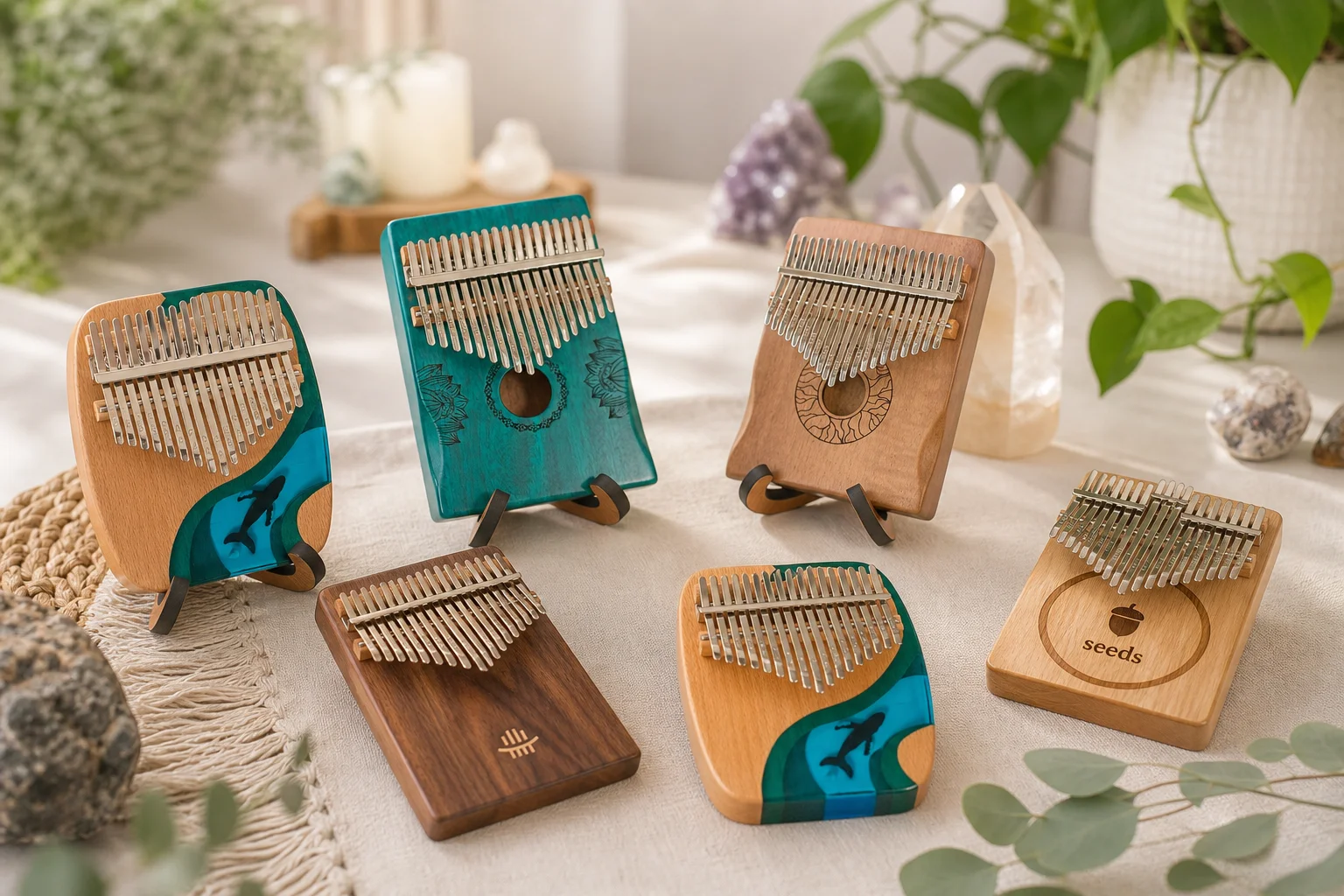
Kalimbas Australia: Thumb Pianos for Beginners and Beyond
-
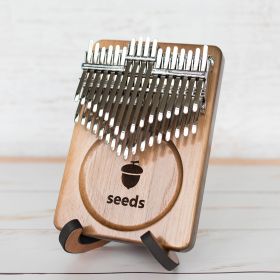 Seeds Kalimba 34 Key PiscesPremium tone, solid black walnut timber. 34 keys. C Major.IN STOCK NOWSpecial Price $89.00 Regular Price $199.00
 -
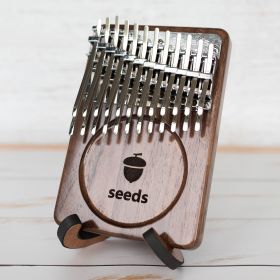 Seeds Kalimba 24 Key ColumbusPremium tone, solid black walnut timber. 24 keys. C Major.IN STOCK NOWSpecial Price $60.00 Regular Price $179.00
 -
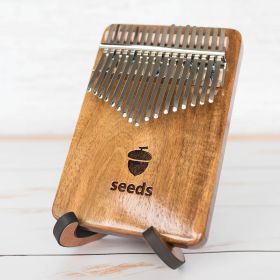 Seeds Kalimba 17 Key in C MajorPremium tone, solid Okoume timber. 17 keys. C Major. Limited run, last stock available in 17 key.IN STOCK NOWSpecial Price $59.00 Regular Price $139.00
 -
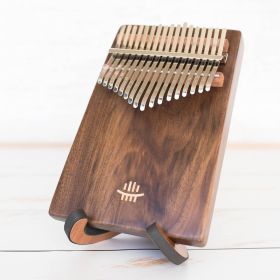 Hluru Kalimba 17 Key Solid Walnut in C MajorPremium tone, solid American Walnut timber. 17 keys. C Major.IN STOCK NOWSpecial Price $65.00 Regular Price $139.00
 -
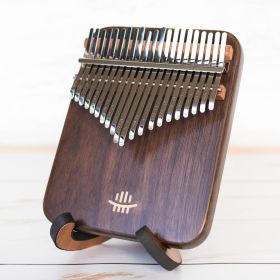 Hluru Kalimba 21 Key Solid Walnut in C MajorPremium tone, solid American Walnut timber. 21 keys. C Major.IN STOCK NOWSpecial Price $70.00 Regular Price $149.00
 -
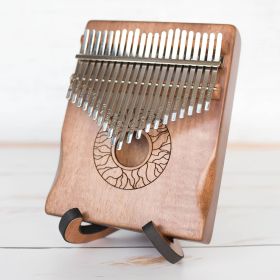 Hluru Kalimba 21 Key Hollow in C Major Brown EngravedA great starter instrument. Hollow & lightweight. Short ring time, not too noisy. 21 keys. C Major.IN STOCK NOWSpecial Price $29.00 Regular Price $89.00
 -
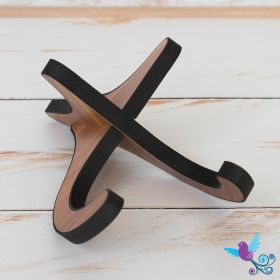 The Musical Sparrow Kalimba Timber Look StandKeep your Kalimba on display with our timber look stands.IN STOCK NOWSpecial Price $6.00 Regular Price $15.00
 -
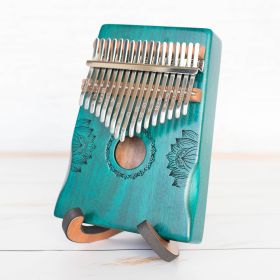 Hluru Kalimba 17 Key Hollow in C Major Blue EngravedA great starter instrument. Hollow & lightweight. Short ring time, not too noisy. 17 keys. C Major.IN STOCK NOWSpecial Price $25.00 Regular Price $79.00
 -
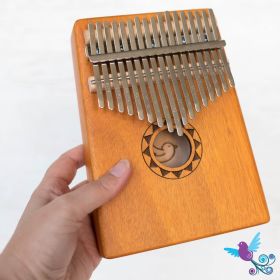 The Musical Sparrow Kalimba 17 Key Hollow in C MajorA great starter instrument. Hollow & lightweight. Short ring time, not too noisy. 17 keys. C Major.IN STOCK NOWSpecial Price $18.00 Regular Price $75.00
 -
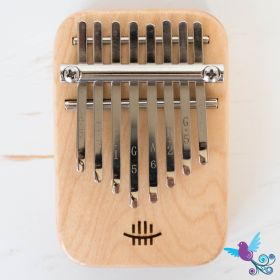 Hluru Kalimba 8 Key Mini PentatonicFits in the palm of your hand. Tuned to the pentatonic scale so you can't hit a wrong note. No musical knowledge needed to play.IN STOCK NOWSpecial Price $18.00 Regular Price $45.00
 -
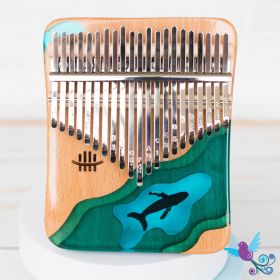 Hluru Kalimba 21 Key Whale in C MajorBeautifully crafted with solid maple and acrylic to depict a whale in the ocean. 21 keys. C Major.IN STOCK NOWSpecial Price $59.00 Regular Price $115.00
 -
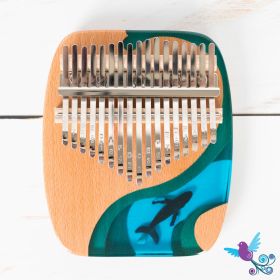 Hluru Kalimba 17 Key Whale in C MajorBeautifully crafted with solid maple and acrylic to depict a whale in the ocean. 17 keys. C Major.IN STOCK NOWSpecial Price $49.00 Regular Price $95.00
 -
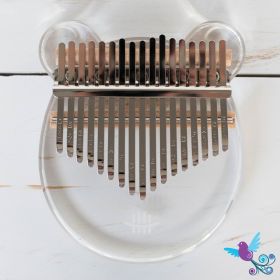 Hluru Kalimba 17 Key Bear in C MajorSolid acrylic in the shape of a bear. 17 keys. C Major.IN STOCK NOWSpecial Price $20.00 Regular Price $79.00
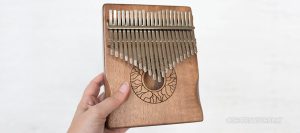

Compare kalimba sizes and styles
The easiest way to choose a kalimba is to start with the number of keys, then compare the body style, timber, tuning and included accessories. Whether you're buying your first kalimba or adding another instrument to your collection, the guide below highlights the main differences between the most popular options.
| Kalimba | Best suited to | What to expect |
|---|---|---|
| 8 Key | Young players, gifts and beginners wanting a simple introduction. | Compact and easy to play, with a pentatonic layout that's perfect for creating pleasant melodies without needing musical experience. |
| 17 Key | Beginners through to experienced players. | The most popular choice, offering enough notes to learn many well-known songs while remaining easy to play and widely supported by online tutorials. |
| 21 Key | Players wanting a broader musical range. | Additional lower notes provide greater flexibility for more advanced pieces while retaining the familiar kalimba playing style. |
Body style influences the sound
The body of a kalimba contributes to its tone as much as the number of keys. Hollow-body kalimbas generally produce a warmer, fuller sound with greater volume, while solid-body models often have a cleaner tone with longer sustain. If you're deciding between two instruments with the same number of keys, comparing the body style and timber can be just as important as comparing the note range.
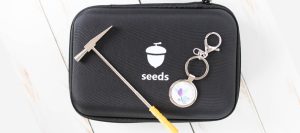
Finally, check what's included with each model. Many kalimbas come with useful accessories such as a tuning hammer, protective case, cleaning cloth or learning guide, although inclusions vary between models. Every product page lists the accessories supplied with that particular instrument.
Kalimba Frequently Asked Questions
Is a kalimba easy to learn?
Yes. A kalimba is one of the easiest musical instruments to begin playing. Even without previous musical experience, most people can start creating simple melodies within minutes. Smaller models are often a great introduction, while 17 and 21-key kalimbas offer a wider range of notes as your confidence grows.
What is the difference between a kalimba and a thumb piano?
There isn't one. Thumb piano is the common name for a kalimba. The instrument is played by plucking tuned metal tines with your thumbs, creating its distinctive clear, bell-like sound. While the kalimba and the traditional African mbira are related instruments, they have different designs and playing styles.
Do kalimbas need tuning?
Like most musical instruments, a kalimba may occasionally need tuning, particularly after travelling or extended use. Every tuned kalimba sold by Shop Naturally is professionally hand tested and tuned before dispatch, so it's ready to play when it arrives. Minor adjustments over time are normal and can be made using a tuning hammer and chromatic tuner.
What accessories are included?
Accessories vary between models. Many kalimbas include useful extras such as a tuning hammer, protective case, cleaning cloth or learning guide, while others may include different accessories. Check the individual product page for the complete list of inclusions for your chosen model.
How do I choose the right kalimba?
Think about who will be playing it and what you'd like to learn. Beginners often appreciate smaller, easy-to-play models, while larger kalimbas with more keys provide a broader musical range. Compare the number of keys, timber, tuning and included accessories to find the instrument that best suits your needs.
Getting started with your kalimba
Learning to play the kalimba is easier than many people expect. Hold the instrument comfortably in both hands with the tines facing you and your thumbs resting near their ends. Begin by gently plucking one tine at a time, listening to how each note rings and becoming familiar with the alternating layout of the keys. As your confidence grows, try simple melodies and then progress to playing with both thumbs together.
If your kalimba includes letter or number markings, follow the same notation used in your learning materials or sheet music. On a C major kalimba, neighbouring tines can often be played in a smooth sweeping motion to create simple chords and harmonies. Start slowly and focus on producing clean, even notes before increasing your speed.
Checking and adjusting the tuning
Even though every Shop Naturally kalimba is professionally hand tested and tuned before dispatch, it's normal for tuning to drift slightly over time or after travelling. Use a chromatic tuner or a reliable tuning app to compare each tine with the correct note for your model.
Make only very small adjustments when tuning. Increasing the vibrating length of a tine lowers its pitch, while shortening the vibrating length raises it. Check the note after each adjustment rather than making large movements, and always use the correct tuning hammer or the method recommended for your instrument.
Looking after your kalimba
Play with clean, dry hands and wipe the tines and timber body with a soft, dry cloth after each playing session. Store your kalimba in a dry place away from excessive heat, moisture and sudden temperature changes. If your instrument includes a protective case or pouch, use it whenever you're transporting or storing the kalimba.
Check the tuning from time to time, particularly after travelling or if the instrument hasn't been played for a while. If a tine develops a persistent buzz or no longer rings clearly, avoid forcing or bending it. A careful inspection and a small tuning adjustment are often all that's needed to restore the instrument's sound.


