
-
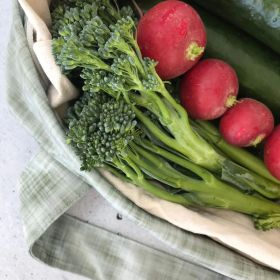 Produce PodProduce Pod Reusable Produce Bag Gum LeafKeeps veggies fresh in your fridge for weeks on end in this breathable 2 piece system. Combats wilting and rotting for serious longevity & freshness. Pays for itself …View product details$46.99
 -
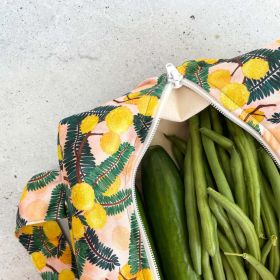 Produce PodProduce Pod Reusable Produce Bag WattleKeeps veggies fresh in your fridge for weeks on end in this breathable 2 piece system. Combats wilting and rotting for serious longevity & freshness. Pays for itself …View product details$46.99
 -
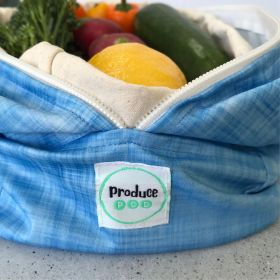 Produce PodProduce Pod Reusable Produce Bag BlueberryKeeps veggies fresh in your fridge for weeks on end in this breathable 2 piece system. Combats wilting and rotting for serious longevity & freshness. Pays for itself …View product details$46.99
 -
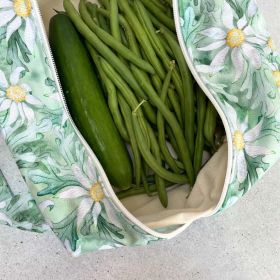 Produce PodProduce Pod Reusable Produce Bag Flannel FlowerKeeps veggies fresh in your fridge for weeks on end in this breathable 2 piece system. Combats wilting and rotting for serious longevity & freshness. Pays for itself …View product details$46.99
 -
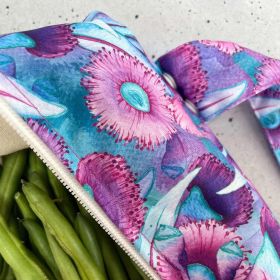 Produce PodProduce Pod Reusable Produce Bag Gum BlossomKeeps veggies fresh in your fridge for weeks on end in this breathable 2 piece system. Combats wilting and rotting for serious longevity & freshness. Pays for itself …View product details$46.99
Produce Pod Comparison
All four current Produce Pods are based on the same reusable, two-piece storage system. Each has a dampened cotton inner bag and a breathable, water-resistant outer bag made using recycled PET with a laminate coating. They are used and cared for in the same way, so your decision comes down primarily to the artwork printed on the outer fabric.
| Design | System | Main distinction |
|---|---|---|
| Gum Leaf | Cotton inner with recycled PET outer | Gum Leaf artwork |
| Gum Blossom | Cotton inner with recycled PET outer | Gum Blossom artwork |
| Flannel Flower | Cotton inner with recycled PET outer | Flannel Flower artwork |
| Blueberry | Cotton inner with recycled PET outer | Blueberry artwork |
None of these designs is intended exclusively for a particular vegetable. Gum Leaf does not manage moisture differently from Gum Blossom, for example, and Blueberry is not limited to storing berries. The names identify Laura’s outer-fabric designs rather than different storage technologies.
When deciding whether the Produce Pod format is right for you, focus on how you use your fridge rather than trying to rank the prints. Its flexible form can accommodate the shape of your vegetables, fold down between uses and occupy less rigid space than a container. It also offers a roomier, more practical shape than flatter padded produce-storage bags.
If you are choosing more than one, selecting different prints may help you tell the pods apart at a glance. This is an organisational preference rather than a functional difference. Whichever artwork you select, use the damp cotton inner and outer layer together, avoid overfilling the bag and follow the same regular washing and drying routine.
Produce Pod FAQ
How does a Produce Pod work?
A Produce Pod uses two layers to help manage the environment around vegetables in the fridge. The damp cotton inner provides moisture, while the breathable, water-resistant recycled PET outer helps manage moisture and airflow. The two bags are designed to be used together.
Do I wet the inner bag, and how often should I re-dampen it?
Yes. Dampen the cotton inner bag and wring out the excess water before adding your vegetables. It should feel damp rather than dripping wet. Check it during use and re-dampen it as needed when the inner layer begins to dry; the timing may vary with fridge conditions and the produce being stored.
How do I wash a Produce Pod?
The Produce Pod system is machine washable. Wash it regularly in accordance with its care directions, then allow both parts to dry completely before storing them away or beginning another storage cycle. Complete drying helps reduce the chance of mould developing in a bag left damp and empty.
What vegetables can I store in it?
Produce Pods are designed for fresh vegetables that fit comfortably inside without being crushed or tightly packed. The flexible shape can accommodate different types and shapes of produce, but freshness will still depend on the vegetable, its condition when purchased and how it is handled.
Are the different Produce Pod designs the same size?
The current Gum Leaf, Gum Blossom, Flannel Flower and Blueberry options are presented as the same functional two-piece Produce Pod format. Their principal difference is the artwork on the outer fabric, not a different intended use or storage method.
Practical Produce Pod Care Advice
For best day-to-day use, start with the cotton inner bag evenly dampened, then wring it out thoroughly. The fabric should retain moisture without releasing excess water onto your vegetables or pooling inside the outer bag. Place suitable fresh produce inside, avoid crushing or overfilling it, and use the inner and outer layers together.
Check the cotton layer whenever you inspect your vegetables. If it is becoming dry, re-dampen and wring it out again. There is no single schedule that will suit every fridge because airflow, temperature, the amount stored and how often the door is opened can all affect how quickly moisture is lost.
Inspect the contents regularly rather than leaving the bag untouched for long periods. Remove vegetables that are bruised, badly damaged or already spoiling. A produce-storage bag can help manage moisture and airflow, but it cannot restore deteriorating food or prevent every cause of spoilage.
Wash the reusable bags regularly, particularly if vegetable matter or residue is visible. Follow the supplied care directions and allow both parts to dry completely before putting them away. Storing an empty bag while it is still damp can encourage unwanted mould growth. Keep the dry inner and outer together so they are ready for the next use.
Produce does not always need to be washed before refrigeration, as ideal handling varies by vegetable. When preparing produce to eat, Shop Naturally’s fruit and vegetable wash category offers options for shoppers who prefer to use a dedicated produce-cleaning product. Always follow the wash product’s directions and general Australian food-handling guidance.
Finally, treat the Produce Pod as one part of a sensible fridge routine. Start with produce in good condition, avoid excessive crowding, maintain an appropriate refrigerator temperature and inspect vegetables frequently. These simple habits support the moisture-management role of the bag without expecting it to reverse damage or deliver an identical storage period for every vegetable.


