
Organic Road
Organic Road is known for certified organic staples made for the everyday pantry. Its broad collection brings together useful ingredients for breakfast, baking, cooking, snacking and general food preparation without making pantry shopping unnecessarily complicated.
At Shop Naturally, you’ll find Organic Road products across grains and flours, nuts and seeds, coconut products, cacao and baking ingredients, herbs and spices, sugars, sweeteners and other cooking essentials. Each group serves a different purpose, so it’s worth starting with what you’re making and the format your recipe needs. Shop Naturally is an Official Australian Stockist of Organic Road.
Organic Road
Organic Road is known for certified organic staples made for the everyday pantry. Its broad collection brings together useful ingredients for breakfast, baking, cooking, snacking and general food preparation without making pantry shopping unnecessarily complicated.
At Shop Naturally, you’ll find Organic Road products across grains and flours, nuts and seeds, coconut products, cacao and baking ingredients, herbs and spices, sugars, sweeteners and other cooking essentials. Each group serves a different purpose, so it’s worth starting with what you’re making and the format your recipe needs. Shop Naturally is an Official Australian Stockist of Organic Road.
-
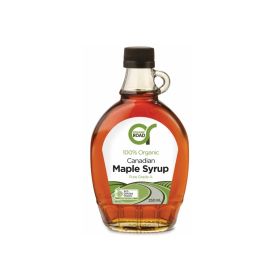 Organic RoadOrganic Road Maple Syrup 250mlCertified organic pure maple syrup with a rich, distinctive flavour for pancakes, porridge, baking, desserts and everyday recipes.View product details$13.65
Compare Organic Road Products by What You’re Making
Starting with the dish or recipe is often quicker than comparing the full Organic Road collection ingredient by ingredient. This table highlights the formats commonly suited to different kitchen jobs and the main difference to keep in mind.
| I need | Organic Road option | What to consider |
|---|---|---|
| Flour for familiar baking | Spelt or wholemeal spelt flour | Wholemeal flour gives a more substantial texture; both contain gluten. |
| An alternative flour | Buckwheat, besan or coconut flour | Each behaves differently, so use a recipe suited to the flour. |
| A breakfast or baking staple | Traditional rolled oats | Useful when you want distinct oat texture in porridge, muesli or baking. |
| Nuts or seeds for meals and snacks | Cashews, Brazil nuts, chia or pepitas | Choose by flavour, texture and whether they’ll be eaten whole, blended or added to a recipe. |
| Coconut for curry, soup or sauce | Coconut milk or coconut cream | Milk is more pourable; cream gives a thicker, richer consistency. |
| Coconut texture for baking | Desiccated coconut, shredded coconut or chips | Fine pieces blend into recipes, while shreds and chips remain more noticeable. |
| Chocolate flavour | Cacao powder | Measure according to the recipe, as cacao provides concentrated flavour. |
| Sweetness in a recipe | Dry sugar, maple syrup or honey | Dry and liquid sweeteners affect moisture, flavour and texture differently. |
What’s the difference between coconut milk and coconut cream?
Coconut milk has a thinner consistency that suits curries, soups and sauces. Coconut cream is thicker and brings greater richness to recipes. The right one depends on the consistency the dish needs, and they may not always be interchangeable without changing the result.
Should I choose shredded or desiccated coconut?
Choose desiccated coconut when you want a finer texture distributed through biscuits, cakes or slices. Shredded coconut has longer pieces and remains more noticeable in the finished food. Coconut chips are larger again and suit recipes or toppings where a distinct coconut texture is wanted.
Organic Road FAQ
What is Organic Road?
Organic Road is known for certified organic pantry staples and wholefood ingredients used across breakfast, baking, cooking, snacking and general food preparation. The selection at Shop Naturally includes multiple pantry groups rather than one particular type of food, making it useful for gradually building an organic pantry.
Are Organic Road products certified organic?
Organic Road is positioned around certified organic pantry foods. Certification information belongs to the specific product, however, and the certification displayed can vary across a broad collection. Individual Organic Road listings provide the applicable organic details, ingredients and product information for the item you’re considering.
Are all Organic Road products Australian-grown?
No. Country of origin varies between Organic Road products. For example, current product information identifies the traditional rolled oats as Australian, while coconut cream is identified as originating from Sri Lanka. An Australian brand or stockist doesn’t mean every ingredient has been grown or produced in Australia.
Are all Organic Road products gluten free?
No. Organic certification and gluten-free suitability describe different product characteristics. Organic Road spelt flours contain gluten, while some other ingredients may be labelled gluten free where applicable. If you need to avoid gluten, choose according to the dietary and allergen information for the individual product.
Can I substitute one Organic Road flour for another?
Generally, not cup-for-cup. Coconut flour is highly absorbent, besan has a distinct chickpea flavour and buckwheat behaves differently from spelt flour. For the most reliable texture, use a recipe written for the flour you have or follow tested substitution guidance rather than making a direct swap.
Expert Advice for Organic Road Products
A little pantry know-how goes a long way with wholefood ingredients. The right storage, measuring method and recipe can make unfamiliar flour, coconut or sweetener formats much easier to work with.
Give Alternative Flours the Right Recipe
Coconut, buckwheat and besan flours don’t behave like standard wheat flour. Coconut flour absorbs a considerable amount of liquid, while besan contributes its own flavour and buckwheat can change the texture of baked food. Rather than adjusting a familiar recipe by guesswork, begin with one developed for that flour. If you create your own blend, make small test batches so you can adjust the liquid and structure without wasting ingredients.
Measure Baking Ingredients Accurately
Small differences matter when working with absorbent flour, cacao and dry sweeteners. Weighing ingredients in grams is generally more consistent than packing them into measuring cups. If you do use cups, fill them gently and level the top rather than compressing the ingredient. This is particularly useful with coconut flour and cacao powder, where an overfilled cup can noticeably alter a recipe.
Choose Coconut by Texture
Desiccated coconut disperses readily through biscuit and cake mixtures, while shredded coconut leaves longer strands. Chips provide larger pieces and a more prominent texture. For liquids, stir coconut milk or cream if natural separation has occurred, provided the package directions allow it. Separation can be a normal feature of coconut products and doesn’t necessarily mean the contents are unsuitable.
Keep Opened Nuts, Seeds & Dry Goods Fresh
Once opened, transfer dry ingredients to a well-sealed container when appropriate and store them in a cool, dry place. Nuts and seeds contain natural oils, so heat and extended storage can affect their flavour. Buying a quantity that suits how often you use the ingredient can be more practical than keeping a large opened pack for a long time. Follow any refrigeration or after-opening directions supplied with the individual product.
Account for What a Sweetener Adds
Maple syrup and honey contribute liquid as well as sweetness, while coconut and rapadura sugars are dry ingredients with their own flavours and colours. Changing between liquid and dry sweeteners can affect moisture, spread, browning and texture. A recipe written for the sweetener you want to use provides a better starting point than a direct one-for-one substitution.


