
Hluru Tongue Drums and Kalimbas
Hluru Tongue Drums and Kalimbas
-
 Hluru 15 Note Lotus Tongue Drum LavenderBright tone with long ringing time. Feel the vibrations in your body. Free play without any musical skill or learn songs. Full C Major scale.OUT OF STOCKSpecial Price $89.00 Regular Price $229.00
 -
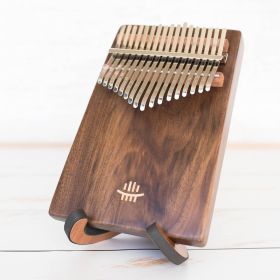 Hluru Kalimba 17 Key Solid Walnut in C MajorPremium tone, solid American Walnut timber. 17 keys. C Major.IN STOCK NOWSpecial Price $65.00 Regular Price $139.00
 -
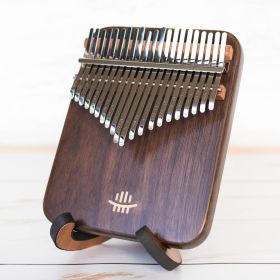 Hluru Kalimba 21 Key Solid Walnut in C MajorPremium tone, solid American Walnut timber. 21 keys. C Major.IN STOCK NOWSpecial Price $70.00 Regular Price $149.00
 -
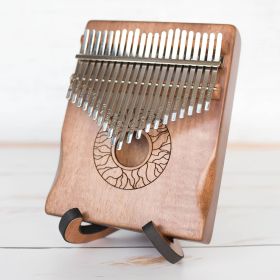 Hluru Kalimba 21 Key Hollow in C Major Brown EngravedA great starter instrument. Hollow & lightweight. Short ring time, not too noisy. 21 keys. C Major.IN STOCK NOWSpecial Price $29.00 Regular Price $89.00
 -
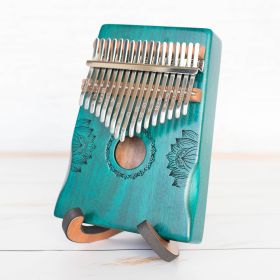 Hluru Kalimba 17 Key Hollow in C Major Blue EngravedA great starter instrument. Hollow & lightweight. Short ring time, not too noisy. 17 keys. C Major.IN STOCK NOWSpecial Price $25.00 Regular Price $79.00
 -
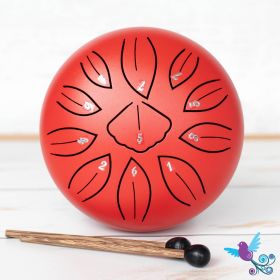 Hluru 11 Note C Major Tongue Drum Red6 inch drum in C Major. Great entry level drum to learn songs. Also suited to free play without learning something specific.IN STOCK NOWSpecial Price $39.00 Regular Price $110.00
 -
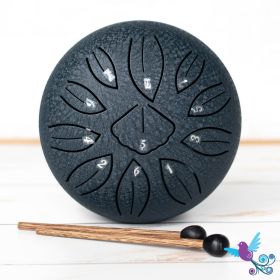 Hluru 11 Note C Major Tongue Drum Navy Blue6 inch drum in C Major. Great entry level drum to learn songs. Also suited to free play without learning something specific.IN STOCK NOWSpecial Price $39.00 Regular Price $110.00
 -
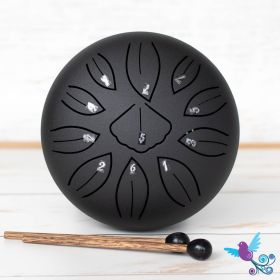 Hluru 11 Note C Major Tongue Drum Ink Black6 inch drum in C Major. Great entry level drum to learn songs. Also suited to free play without learning something specific.IN STOCK NOWSpecial Price $39.00 Regular Price $110.00
 -
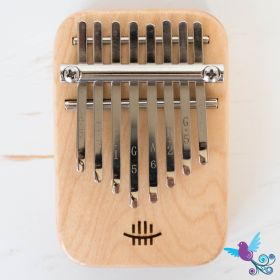 Hluru Kalimba 8 Key Mini PentatonicFits in the palm of your hand. Tuned to the pentatonic scale so you can't hit a wrong note. No musical knowledge needed to play.IN STOCK NOWSpecial Price $18.00 Regular Price $45.00
 -
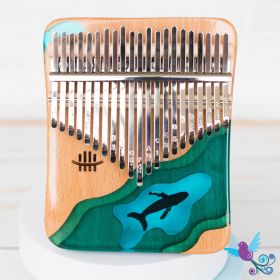 Hluru Kalimba 21 Key Whale in C MajorBeautifully crafted with solid maple and acrylic to depict a whale in the ocean. 21 keys. C Major.IN STOCK NOWSpecial Price $59.00 Regular Price $115.00
 -
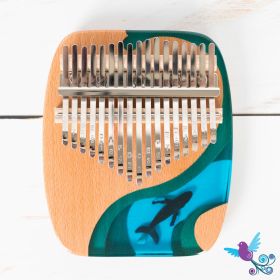 Hluru Kalimba 17 Key Whale in C MajorBeautifully crafted with solid maple and acrylic to depict a whale in the ocean. 17 keys. C Major.IN STOCK NOWSpecial Price $49.00 Regular Price $95.00
 -
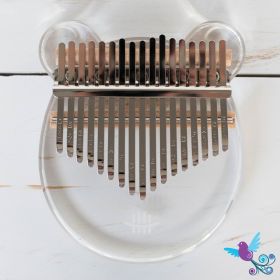 Hluru Kalimba 17 Key Bear in C MajorSolid acrylic in the shape of a bear. 17 keys. C Major.IN STOCK NOWSpecial Price $20.00 Regular Price $79.00
 -
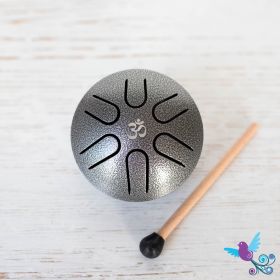 Hluru Mini Pentatonic Tongue Drum SilverFits in the palm of your hand. Tuned to the pentatonic scale so you can't hit a wrong note. No musical knowledge needed to play.OUT OF STOCKSpecial Price $18.00 Regular Price $45.00
 -
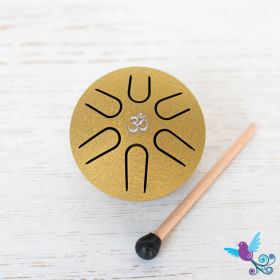 Hluru Mini Pentatonic Tongue Drum GoldFits in the palm of your hand. Tuned to the pentatonic scale so you can't hit a wrong note. No musical knowledge needed to play.OUT OF STOCKSpecial Price $18.00 Regular Price $45.00
 -
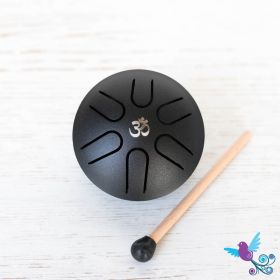 Hluru Mini Pentatonic Tongue Drum BlackFits in the palm of your hand. Tuned to the pentatonic scale so you can't hit a wrong note. No musical knowledge needed to play.OUT OF STOCKSpecial Price $18.00 Regular Price $45.00
 -
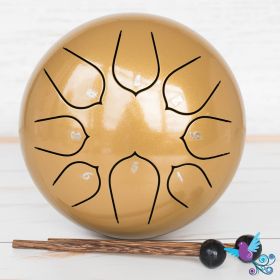 Hluru 8 Note Pentatonic Lotus Tongue Drum YellowGreat beginners drum. Tuned to the pentatonic scale so you can't hit a wrong note. No musical knowledge needed. Great for kids.IN STOCK NOWSpecial Price $39.00 Regular Price $95.00

Hluru Tongue Drum & Kalimba Comparison
The most useful comparison is not simply which instrument has the greatest number of notes. Consider how you want to make each note, how much room you have and whether you prefer a stable percussion instrument or something held in the hands.
| Instrument | Playing method | Notes or keys | Tuning | Size and handling | Useful for |
|---|---|---|---|---|---|
| Hluru steel tongue drum | Tuned metal tongues are struck using the method intended for the selected model, such as suitable mallets or fingers. | Each tongue represents a playable note. Configurations vary between models. | Use the key or scale stated for the selected drum. | Played in a supported position; body dimensions affect reach, storage and portability. | Rhythmic patterns, melodic improvisation and players who enjoy a percussion-style action. |
| Hluru kalimba | Tuned metal tines are plucked, commonly using both thumbs. | Each key is one playable tine; a 17-key instrument has 17 tuned tines. | Use the listed key and note layout for the selected kalimba. | Compact and handheld, making it easy to move between informal playing spaces. | Portable melodic playing and people who prefer a clean, thumb-plucked action. |
After choosing between these two formats, compare the individual Hluru models by their stated note count, tuning, dimensions, weight, materials and included accessories. More notes can extend the musical range, but a smaller note set may present a less crowded layout. Likewise, a larger instrument is not automatically more suitable than a compact one.
Pay particular attention to tuning if you want to learn a specific melody or play with another instrument. Two models can look similar while providing different notes. Current product listings provide the model-specific specifications, price and availability needed for a final decision.
Frequently Asked Questions About Hluru Instruments
What is a tongue drum?
A tongue drum is a melodic percussion instrument made with tuned sections, called tongues, cut into a metal surface. Striking a tongue causes it to vibrate and produce a particular note. The number, position and tuning of the tongues differ between models, creating different note layouts and playing possibilities.
What is a kalimba?
A kalimba is a compact instrument with tuned metal tines attached to a body. It is held in the hands and played by plucking the tines, most commonly with the thumbs. Modern kalimbas belong to a contemporary instrument category related to African lamellophone traditions, including varied mbira-type instruments, but the terms do not describe one identical instrument.
Is a tongue drum or kalimba easier for a beginner?
Both are accessible, but neither is a universal winner. A tongue drum suits someone who likes striking notes and building rhythmic patterns, while a kalimba offers a compact thumb-plucked format. Beginners still need time to learn the note positions, control their touch and practise melodies on either instrument.
How many notes or keys should I choose?
Choose according to the balance you want between a simple layout and a broader musical range. More tongue-drum notes can expand melodic options, while fewer can make patterns easier to see. On a kalimba, additional tines extend the available notes but place more positions under the thumbs. Fewer notes do not indicate lower quality.
Can I learn songs, and will the instrument need tuning?
You can learn melodies that fit the notes available on your model, using note names, numbers or tablature where suitable. Not every song will fit every tuning unchanged. Kalimba tines may require occasional adjustment under the manufacturer’s instructions. Do not attempt to retune or alter a steel tongue drum unless model-specific Hluru guidance expressly permits it.
Expert Advice for Playing Hluru Instruments
Learn the note layout first
Before attempting a complete song, identify where the notes sit. Play each tongue or tine individually and notice how the pitch changes across the layout. Short scales, repeated three-note patterns and brief melodic phrases build familiarity without requiring a lengthy music-theory lesson. If the instrument uses numbered notation, connect each number with its physical position as you play.
Use a light, controlled touch
Harder strikes do not necessarily produce a clearer tongue-drum note. Aim for a controlled contact and let the metal vibrate rather than repeatedly forcing the surface. Use mallets or fingers only as intended for the model. On a kalimba, pluck each tine cleanly with the thumb and release it instead of pushing or bending it unnecessarily.
Start with simple melodies
Choose tunes and phrases that sit comfortably within the instrument’s available notes. A concise note range can make early experimentation feel more manageable because there are fewer positions to remember. If a melody includes unavailable notes, select a simpler version or adapt the phrase rather than forcing the instrument beyond its tuning.
Listen for rhythm as well as pitch
Playing does not need to focus entirely on reproducing songs. Tongue drums are particularly suited to combining individual pitches with repeated percussion-style rhythms. Try alternating two notes, leaving deliberate spaces and gradually adding another note. Kalimba players can use similar repeated patterns to develop coordination between the thumbs.
Store the instrument carefully
Keep the instrument dry and protected from unnecessary moisture, impacts and pressure. Use a supplied bag or case when one is included with the selected model, and avoid placing objects against tongues or tines during storage. Follow Hluru’s model-specific instructions before attempting tuning or other adjustments.
Need help? Shop Naturally can help you compare a Hluru tongue drum with a kalimba or work through the sizes, playing formats and note configurations currently available.


