
-
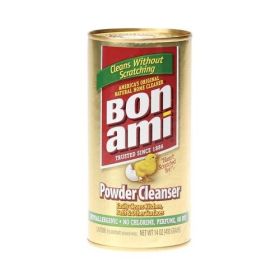 Bon AmiBon Ami Natural Powder Cleanser 400gA household name since 1886, Bon Ami is still a mineral and plant based derived, gentle and effective cleanser, particularly for those with chemical sensitivities.View product detailsSpecial Price $5.95 Regular Price $7.95Save 25%
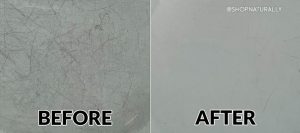
What Can You Clean with Bon Ami?
Bon Ami's suitability depends on the material and finish, not simply the room or object being cleaned. This table provides a practical starting point for common kitchen and bathroom jobs without treating every sink, benchtop or piece of cookware as though it has the same surface.
| Surface or area | Is Bon Ami suitable? | How to approach it | Important consideration |
|---|---|---|---|
| Stainless steel | Suitable where permitted by the surface care directions | Apply to a damp surface and work gently, following the grain where applicable | Polished, coated and specialist finishes may have different requirements |
| Porcelain | Suitable porcelain surfaces may be cleaned with Bon Ami | Use a small amount on the damp surface, then rinse thoroughly | Older or worn finishes deserve a test in an inconspicuous spot first |
| Ceramic tile | Suitable for compatible ceramic tile | Clean a manageable area with a damp cloth or sponge | Tile, grout and decorative finishes may respond differently |
| Enamel | Suitable enamel surfaces may be cleaned as directed | Start with light pressure and a non-aggressive cleaning tool | Chipped, worn or specialist enamel needs extra care |
| Sinks | Depends on the sink material and finish | Identify the material before applying the powder | Stainless steel, porcelain and stone-composite sinks aren't interchangeable |
| Baths and showers | Suitable where the underlying surface is compatible | Use on damp areas affected by soap residue or everyday build-up | Coatings, sealants, screens and fittings can require separate care |
| Cookware | Use only on compatible cookware materials and finishes | Apply gently to damp areas with cooked-on residue | Cooking surfaces and coatings may have specific manufacturer instructions |
| Benchtops | Compatibility varies substantially | Confirm the benchtop material and use a small test area when appropriate | Laminate, steel, porcelain, natural stone and engineered surfaces have different care needs |
What about natural stone?
Don't treat Bon Ami as automatically suitable for marble, limestone or other natural stone simply because it uses mineral ingredients. Stone surfaces and sealants can be sensitive to abrasive cleaning. Follow the benchtop or surface manufacturer's care instructions before using it.
Why does the cleaning tool matter?
The cloth, sponge or scourer contributes to the total abrasive action. Starting with a gentler tool and light pressure gives you more control, particularly on an unfamiliar or older finish.
Bon Ami FAQ
What is Bon Ami Powder Cleanser?
Bon Ami is a dry household cleaning powder for suitable hard surfaces. Its formula combines feldspar and limestone as mild mineral abrasives with cleaning agents. When worked over a damp surface, this physical cleaning action lifts grime, residue and marks that may remain after an ordinary wipe-down.
Does Bon Ami scratch surfaces?
Bon Ami is formulated with relatively mild abrasives, but it shouldn't be described as unable to scratch every surface. Compatibility depends on the material and finish, as well as the pressure and cleaning tool used. Begin gently and test an inconspicuous area when you're cleaning an unfamiliar, specialist or worn surface.
Is Bon Ami abrasive?
Yes. Feldspar and limestone provide mild mineral abrasion, which is part of how Bon Ami cleans. “Mild abrasive” is more accurate than “non-abrasive”. This makes the powder useful for persistent grime while still requiring an appropriate sponge or cloth and a technique suited to the surface.
Does Bon Ami contain chlorine?
No. The current Bon Ami Powder Cleanser is described as containing no chlorine, perfume or dye. It still contains cleaning agents and mineral abrasives, so use it for the surfaces and purposes covered by the product directions rather than assuming these exclusions make it suitable for every material.
Can I use Bon Ami on stainless steel?
Yes, Bon Ami can be used on suitable stainless steel surfaces where their care directions permit it. Dampen the surface, use a modest amount of powder and start with light pressure. For brushed stainless steel, cleaning with the grain where applicable can support a more even finish. Take additional care with polished, coated or specialist stainless steel.
Expert Advice for Using Bon Ami
A little technique goes a long way with a powdered cleanser. These practical habits give you more control over the cleaning action and make the powder easier to remove when the job is done.
Let the cleanser do the work
Start with light pressure. Bon Ami already contains feldspar and limestone to provide physical cleaning action, so aggressive scrubbing may be unnecessary. Work the damp powder over the area gently and increase the pressure gradually only if the compatible surface and cleaning job require it.
Your sponge matters too
A highly abrasive scourer changes the overall cleaning action considerably. Begin with a soft damp cloth or non-aggressive sponge, especially on an unfamiliar finish. You can then adjust the cleaning tool according to the material and the amount of residue you're tackling.
Test unfamiliar finishes first
Try Bon Ami on a small, inconspicuous area when you're uncertain about a finish. This is particularly worthwhile on older sinks, baths, tiles and cookware, where coatings or polished surfaces may already be worn. Let the test area dry so you can assess the finish properly before continuing.
Keep the working area manageable
Clean one section at a time rather than sprinkling powder across a large area. This lets you maintain a workable damp consistency and rinse the cleanser away before it dries. Give edges, joins, grout lines and textured areas extra attention during rinsing, as powder can settle there.
Treat each benchtop material differently
Laminate, stainless steel, porcelain, natural stone and engineered surfaces don't share one set of care requirements. Identify the material before cleaning and follow its manufacturer's guidance, particularly with stone, specialist coatings and expensive finishes.
Save it for jobs needing extra cleaning action
Bon Ami doesn't have to replace a spray-and-wipe cleaner. Its powder format is particularly useful when stubborn grime, soap residue, marks or cooked-on food need some physical cleaning action on a suitable surface.
If you're unsure about a particular sink, benchtop, cookware finish or bathroom surface, the Shop Naturally team can help with the available Bon Ami product information.


