The best
-
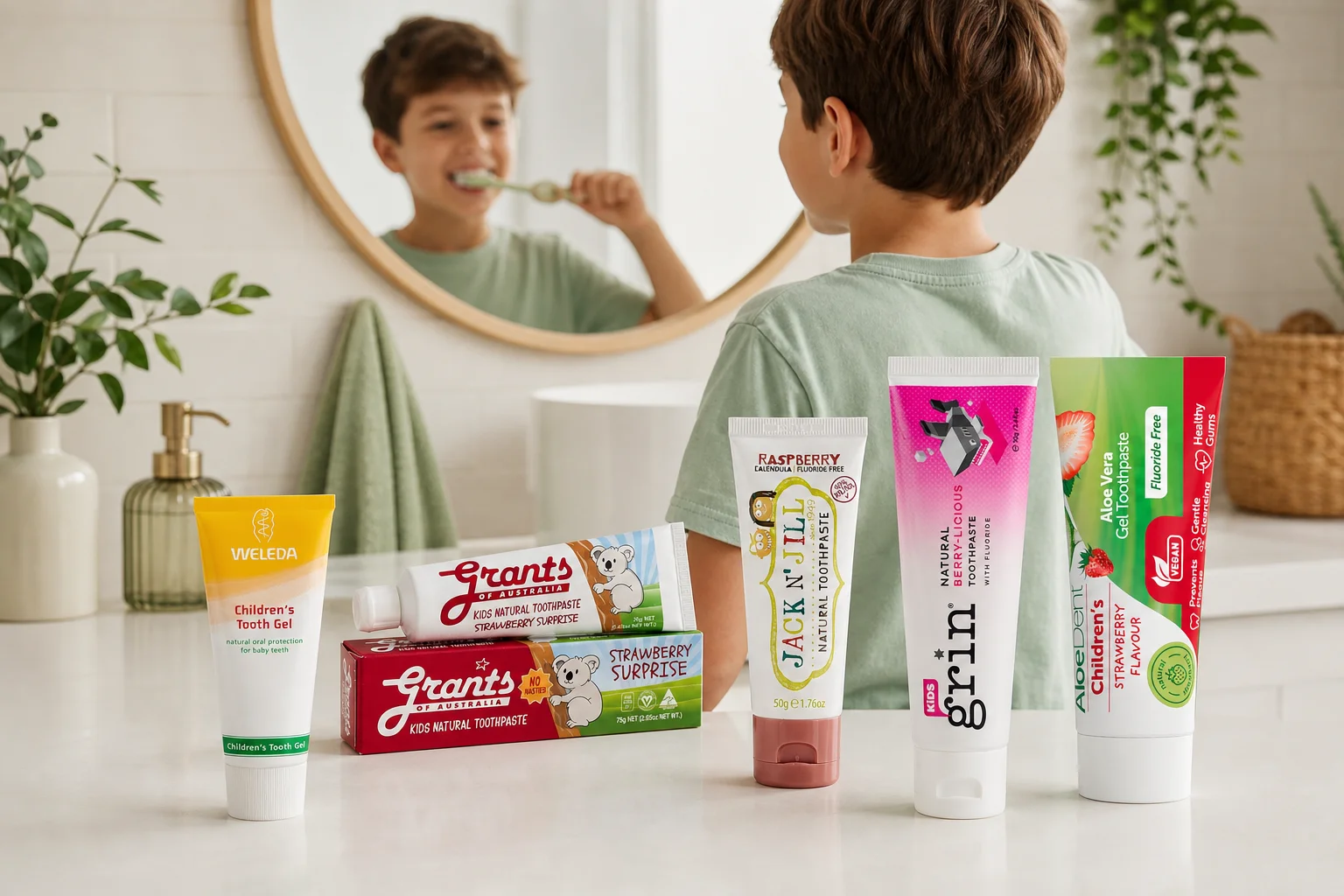
 Jack n JillJack n Jill Kids Natural Toothpaste Bubblegum 50gThis all natural bubblegum flavoured kids toothpaste is suitable for children 6 months and up.View product details$7.50
-
 Jack n JillJack n Jill Kids Natural Toothpaste Strawberry 50gThis all natural strawberry flavoured kids toothpaste is suitable for children 6 months and up.View product details$7.50
Choosing Kids Toothpaste & Toothbrushes
Choosing dental care products for children doesn't need to be complicated. Toothpaste and toothbrushes have different jobs, and both should be suited to your child's age and stage of development. Here's what to consider when shopping for each.
| What to Consider | Kids Toothpaste | Kids Toothbrushes |
|---|---|---|
| Age suitability | Check the recommended age, fluoride concentration and amount to use. | Choose a brush head and handle designed for your child's age and mouth size. |
| Comfort | Look for a flavour and texture your child finds acceptable. | Soft bristles and a comfortable handle can make brushing easier. |
| Ingredients & materials | Compare fluoride content, flavouring and other ingredients according to your preferences and dental advice. | Compare bamboo and other handle materials, bristle types and product construction. |
| Everyday use | Follow age-appropriate guidance for the amount of toothpaste and supervise brushing. | Choose a brush that allows an adult to clean all tooth surfaces thoroughly. |
| When to replace | Replace when the tube is empty or the product reaches its expiry date. | Replace approximately every three months, or sooner if the bristles become worn or splayed. |
Explore our natural kids toothpaste and kids toothbrushes to compare the available options.
Frequently Asked Questions About Kids Dental Care
What dental care products do kids need?
For most children, an age-appropriate soft-bristled toothbrush and suitable toothpaste form the everyday foundation. Babies may initially use a toothbrush with water, while toothpaste recommendations change with age. Extra accessories aren’t a substitute for thorough brushing, and they aren’t necessary for every child.
When should I start brushing my baby’s teeth?
Start when the first tooth appears. Use a small, soft toothbrush that fits comfortably in your baby’s mouth and gently clean the tooth with water. Australian guidance generally recommends water rather than toothpaste until 18 months unless a dentist or oral health professional advises a different approach.
What toothpaste should toddlers use?
From 18 months to under six years, Australian guidance generally recommends a pea-sized amount of low-fluoride children’s toothpaste. Choose a product intended for your child’s age and supervise brushing so the toothpaste is used correctly. Individual recommendations may differ for children with particular dental needs.
Are natural kids toothpastes effective?
That depends on the complete formulation and what you expect the toothpaste to do. The word natural doesn’t establish effectiveness or guarantee a better dental outcome. Fluoride toothpaste has an established role in helping prevent tooth decay, while fluoride-free formulas don’t provide the same fluoride-related protection.
How often should children brush their teeth?
Children are generally advised to brush twice a day, including before bed. Younger children need hands-on assistance, while older children may still need supervision to ensure they reach every tooth and use the right amount of toothpaste. A consistent routine is usually more useful than frequently changing products.
Our Advice for Choosing Kids Dental Care
A good children’s dental routine doesn’t need to be complicated. Once you have an age-appropriate toothbrush and suitable toothpaste, a few practical habits can make brushing more consistent and help children build their skills over time.
Let Children Practise, Then Finish the Job
Giving children a turn supports independence, but young children usually lack the dexterity to clean every tooth thoroughly. Let them begin if they’re keen, then have an adult complete the brushing. Standing behind a younger child can give you a clearer view and steadier control than trying to brush face-to-face.
Use a Simple Brushing Pattern
Following the same order each time makes missed areas less likely. Work around the outside, inside and chewing surfaces of the teeth, using gentle movements and paying attention to the back teeth. Brushing together can also give children a useful visual example without turning the routine into a lecture.
Keep Toothbrushes Fresh Between Uses
Rinse away toothpaste after brushing and store the toothbrush upright where the bristles can air-dry. Avoid keeping a damp brush inside a sealed cover for long periods. Replace it when the bristles become splayed or worn, as a compact child-sized head is less useful when the bristles no longer hold their shape.
Build Around Consistency, Not Novelty
Novel flavours and colourful toothbrushes can make a routine feel more appealing, but consistency does the real work. Keep morning and bedtime brushing predictable, use the recommended amount of toothpaste and continue supervising until your child can brush effectively. Families can choose ingredients and handle materials that suit their preferences while still following evidence-based fluoride and brushing guidance.
If your child has tooth pain, ongoing dental concerns or an increased risk of tooth decay, seek advice from a dentist or oral health professional. They can recommend toothpaste strength and care suited to the individual child.
Need Help Choosing Kids Dental Care?
We can help you compare children’s toothpaste ingredients and flavours, toothbrush materials and stated age recommendations. Contact the Shop Naturally team for practical product information. For advice based on your child’s dental health, speak with their dentist or oral health professional.