
The best
-
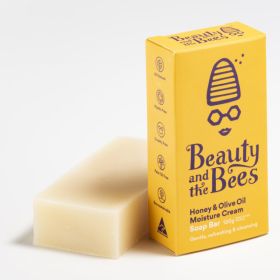 Beauty and the BeesBeauty and the Bees Soap Bar Honey & Olive Oil Moisture Cream 120gThis all natural honey soap will cleanse your toes, nose, pits and bits without being harsh or drying. Gentle enough for face and baby, with a rich creamy lather.View product detailsSpecial Price $8.28 Regular Price $9.20Save 10%
-
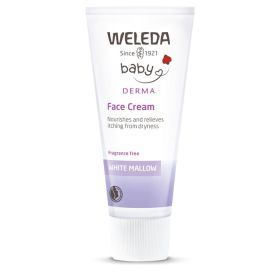 WeledaWeleda White Mallow Baby Derma Face Cream 50mlFragrant-free face cream for sensitive skin to nourish and relieve itching caused by dryness. Certified by the National Eczema Association.View product details$19.95
-
 WeledaWeleda White Mallow Baby Derma Body Lotion 200mlMoisturise and protect dry, delicate skin on babies, kids, and sensitive adults too. Certified by the National Eczema Association.View product detailsSpecial Price $26.95 Regular Price $30.50Save 12%
-
 Avocado ZincAvocado Zinc SPF50 Natural Sunscreen 100ml3-in-1 face sunscreen, moisturiser and primer. Boosted with nourishing avocado oil, coconut oil, vitamin E, calendula oil and castor oil.View product detailsSpecial Price $35.00 Regular Price $40.00Save 13%
-
 Beauty and the BeesBeauty and the Bees Soap Bar Fresh Tasmanian Goat's Milk & Honey 120gThis unscented goat’s milk soap has just five ingredients: fresh Tasmanian goat’s milk, Tasmanian Leatherwood honey, and nourishing plant oils of olive, soya and coco…View product detailsSpecial Price $8.28 Regular Price $9.20Save 10%

Baby Body Care Products Compared
Each type of baby body care product has a different role, and you may not need all five. This quick comparison can help you separate everyday essentials from products you might use only at certain ages, during particular seasons or when your baby’s skin needs them.
| Product Type | Main Purpose | What to Consider |
|---|---|---|
| Baby shampoo and body wash | Rinse-off cleansing for the hair, scalp and body. | Combined formulas reduce the number of products needed. Consider age guidance, fragrance and how frequently you plan to use a cleanser. |
| Baby body lotion | Leave-on moisture for the body. | Choose between lighter lotions and richer textures according to how your baby’s skin feels and how easily you want the product to spread. |
| Bubble bath | Adds bubbles and enjoyment to bath time. | This is an optional extra rather than a skincare essential. Look at age suitability, fragrance and the amount needed per bath. |
| Baby nappy and bum balm | Creates a leave-on barrier around the nappy area. | Formulas may use zinc oxide, plant oils, butters or waxes. Texture, ingredients and the stated method of use can guide your choice. |
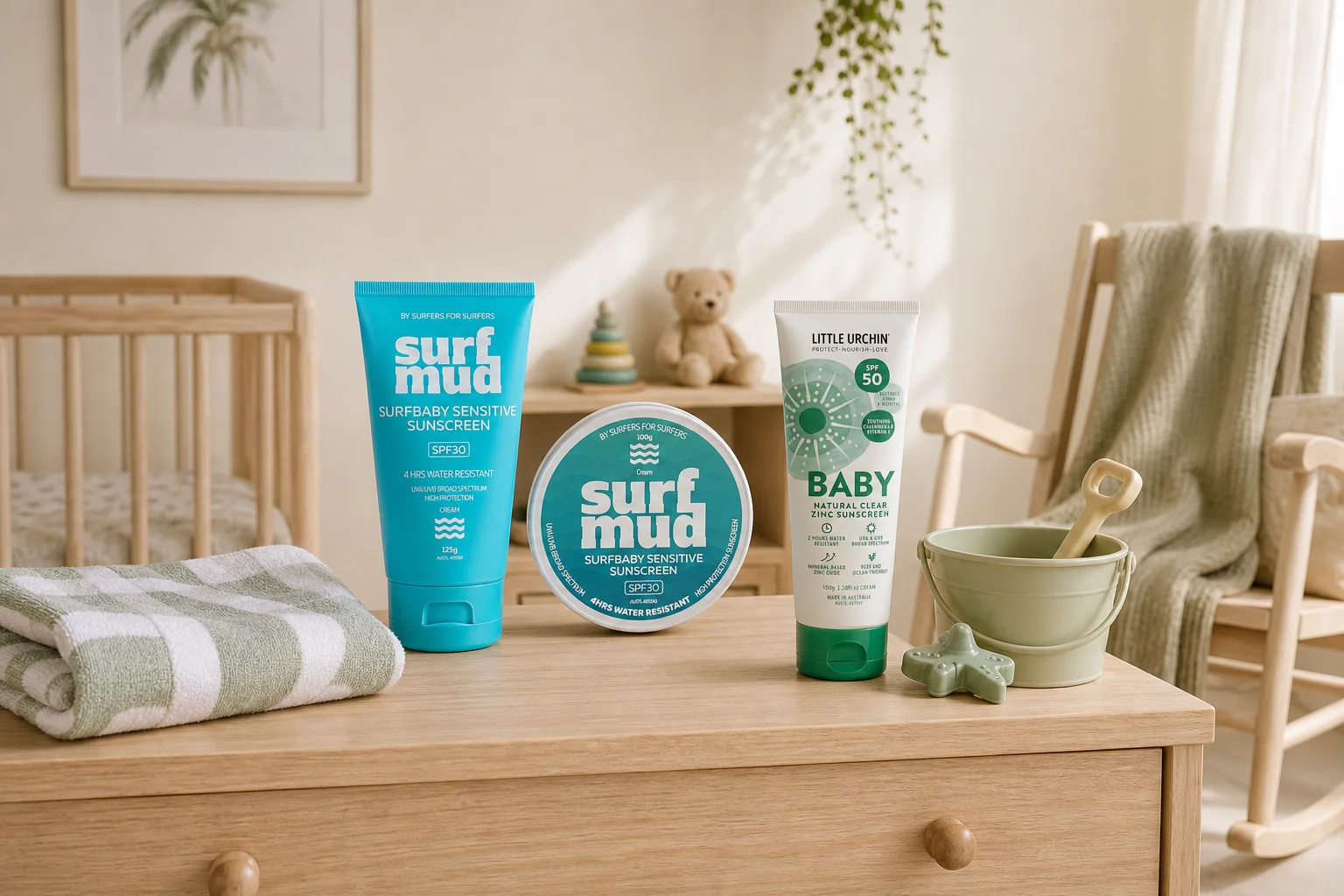
| Baby sunscreen | Helps protect exposed skin from UV radiation when used as directed. | Look for broad-spectrum protection and suitable age guidance. Shade, protective clothing and a hat remain the first line of protection for babies. |
Which products are everyday essentials?
That depends on your baby and your routine. A suitable wash and nappy balm may cover the basics for many families, while lotion can be added when moisturising is useful. Bubble bath is optional, and sunscreen becomes relevant when exposed skin cannot be protected adequately by clothing and shade.
What is the main difference between rinse-off and leave-on products?
Body wash, shampoo and bubble bath are diluted in water or rinsed away. Lotions, nappy balms and sunscreen remain on the skin, so their texture, intended application area and directions play a larger role in how they feel and fit into the day.
Frequently Asked Questions
What body care products does a newborn need?
A newborn’s body care routine can be very simple. Water may be enough for many early baths, with an age-appropriate cleanser used when needed and a nappy balm included if it suits your routine. Not every baby wash, lotion, bubble bath or balm is intended for use from birth, so choose products with clear newborn or age guidance.
Are natural baby skincare products better for sensitive skin?
Not automatically. Natural baby skincare can suit many families, but “natural” describes aspects of the ingredients or formulation rather than guaranteeing suitability for sensitive skin. Fragrance, essential oils, preservatives and plant ingredients can all be relevant to individual preferences. Focus on the complete ingredient list, age guidance and how your baby responds to the product.
How often should I bathe my baby?
Newborns generally don’t need a full bath every day, and two or three baths a week may be enough in the early months. The face, neck folds and nappy area can be cleaned as needed between baths. As your baby grows, bath frequency can reflect your family’s routine, climate and how their skin responds.
Can I use bubble bath for a newborn?
Only if the particular bubble bath is labelled as suitable for newborns. Many bubble baths are intended for older babies or children, so age guidance matters. Bubble bath isn’t essential for cleansing and can easily wait until later if you prefer to keep early baths simple, especially where your baby’s skin is easily unsettled.
When can babies start wearing sunscreen?
For babies under six months, Cancer Council Australia recommends relying mainly on shade, protective clothing and a suitable hat, while minimising sunscreen use. If exposed skin cannot be protected, sunscreen may be used on small areas. From six months, choose an age-appropriate broad-spectrum sunscreen and continue using physical sun protection as the priority.
Our Advice for Choosing Baby Body Care
Once you’ve chosen the basics, a few practical habits can make baby bath and skincare products easier to use. Simple routines are often enough, and introducing products thoughtfully makes it easier to understand what works for your child.
Introduce one leave-on product at a time
If you’re adding a new lotion, balm or sunscreen, avoid changing several leave-on products on the same day. Introducing them separately makes it easier to notice how each formula feels and how your baby’s skin responds. If the manufacturer recommends a patch test, follow its directions before broader use.
Use cleanser where it is needed
A small amount of baby wash is often easier to rinse thoroughly than a large, foamy application. Pay particular attention to skin folds, where cleanser or moisture can remain after bathing. Rinse well and gently pat the skin dry rather than rubbing, especially around the neck, underarms and legs.
Apply moisturiser with texture in mind
Lighter lotions spread readily over larger areas, while richer creams and balms may require only a modest amount. Applying moisturiser after gently drying the skin can make it easier to spread evenly. More product isn’t necessarily more useful; start with a small amount and add extra only where needed.
Use nappy balm on clean, dry skin
Nappy balms work best when applied according to their intended use. Gently clean the area and allow it to dry before applying the amount directed by the manufacturer. Thicker zinc, wax or butter-based formulas can behave differently from lighter balms, so the right quantity may vary. Persistent, broken or worsening skin needs advice from an appropriate healthcare professional.
Keep sun protection layered
Sunscreen is most useful as one part of a broader sun-protection approach. Plan for shade, protective clothing and a suitable hat, then use sunscreen on exposed skin according to the product directions. Apply it evenly rather than relying on a few quick dabs, and reapply as directed, particularly after water play, sweating or towel drying.
If a new body care product appears to cause irritation, stop using it and seek advice where needed. A product’s overall formulation matters more than a single featured ingredient, and natural ingredients are not automatically appropriate for every baby.


