
Hottest Brands
-
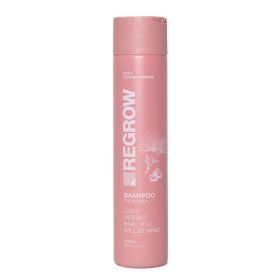 Regrow Hair ClinicsRegrow Hair Clinics Shampoo For Women 300mlWorks by clearing away the hormone DHT from the scalp which is a major factor in the loss of hair. Also helps skin conditions like dandruff, psoriasis and seborrheic derm…View product details$38.95
-
 Dr PlanetDr Planet Castile Soap Sweet Orange & Litsea 500mlAustralian made and owned using 75% Victorian grown olives. Palm oil free, vegan in a thicker, richer and more concentrated formula than imported alternatives.View product details$22.95
-
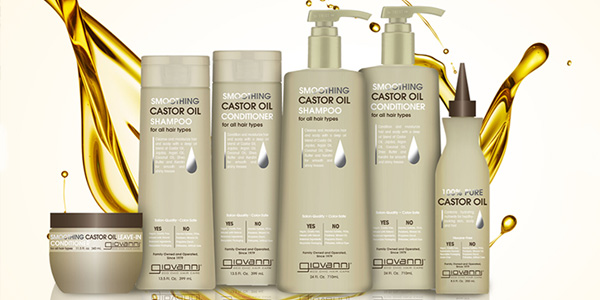
 GiovanniGiovanni 2chic Ultra-Revive Shampoo 250mlPolishes each strand with ultimate hydration. The tropical botanicals restore shine & smooth tresses while improving elasticity & minimising frizz. For dry and un…View product details$22.95

Compare Liquid Shampoo by Hair Need
The right liquid shampoo depends on where you need cleansing and what you want your hair to feel like afterwards. This table provides a quick starting point, along with complementary products that can support the lengths and ends.
| Hair need | What to look for | Consider alongside your shampoo |
|---|---|---|
| Dry or coarse | Moisturising or conditioning formulas intended to support manageability | A richer conditioner or hair mask through the lengths |
| Fine or flat | Lightweight or volumising formulas that don’t leave hair feeling heavy | Lightweight conditioner and volumising styling products |
| Oily roots | Effective regular cleansing suited to your washing habits | Lightweight conditioner applied mainly through the lengths |
| Curly or wavy | Moisture and a cleansing level that suits your preferred curl routine | Leave-in conditioner or curl styling products |
| Colour-treated | A product specifically described as suitable for coloured hair | A colour-care conditioner |
| Blonde or grey | A toning shampoo when you want to manage yellow or brassy tones | A matching toning conditioner where appropriate |
| Frequent washing | A formula intended for regular use | Conditioner selected for the needs of your lengths and ends |
Do shampoo and conditioner need to be from the same range?
No. Matching products can provide a straightforward routine, but they aren’t essential for everyone. Someone with oily roots and dry ends may deliberately combine a cleansing shampoo with a richer conditioner applied below the roots.
When is a moisturising shampoo likely to suit?
It may appeal if your hair is dry, coarse, curly, frizz-prone or frequently styled. The feel of the complete routine still matters, so consider how the shampoo works alongside your conditioner, mask and styling products.
Should toning shampoo replace everyday shampoo?
That depends on the individual formula and the result you want. Toning shampoos have a specific role in managing the appearance of yellow or brassy tones, and their recommended frequency can differ. Follow the directions for your selected product rather than assuming it should be used at every wash.
Natural Liquid Shampoo FAQs
What is the difference between liquid shampoo and a shampoo bar?
The main differences are format and formulation. Liquid shampoo contains water and comes ready to dispense, while shampoo bars are concentrated solid products that need to be lathered with water. Neither is automatically better for every hair type. If you’re considering a solid format, see our shampoo bars.
How much liquid shampoo should I use?
There isn’t one amount that suits everyone. Hair thickness and length, washing frequency, product concentration and the amount of oil or styling product present can all affect how much you need. Start with a modest amount, distribute it over a thoroughly wet scalp and add a little more only if needed.
Should I shampoo my hair twice?
Not necessarily. One wash may be enough for regular cleansing. A second cleanse can be useful after heavy styling-product use, an oil treatment or a longer stretch between washes. Before adding more shampoo, try working a little extra water through the first application to improve its distribution.
Why are your shampoos sulphate-free?
All shampoos in our range are sulphate-free. Sulphates such as SLS and SLES are effective cleansing and foaming ingredients, but some people, particularly those with sensitive skin or scalps, find them irritating or too harsh for their needs. For this reason, they aren't used in the natural shampoos we choose to stock. Instead, our shampoos use alternative surfactants to cleanse the hair and scalp. These formulas still vary in how gently or thoroughly they cleanse, so it's worth choosing a shampoo that suits your hair type, scalp and washing routine.
Do you have liquid shampoo without coconut-derived ingredients?
Coconut-derived surfactants and other coconut-derived ingredients are common in liquid hair-care formulas, and their source may not be obvious from the INCI ingredient name. If you have a coconut allergy or need to avoid coconut derivatives completely, manufacturer confirmation may be necessary because the ingredient list alone may not identify the original plant source.
Expert Advice for Using Liquid Shampoo
A few small technique changes can make liquid shampoo easier to distribute and help you avoid using more than you need.
Wet your hair thoroughly first
Proper saturation helps shampoo move across the scalp and roots. Give dense, curly or very long hair enough time under the water for the inner sections to become fully wet, rather than only wetting the surface.
Focus your first application around the scalp
Oil, sweat and much of the product build-up tend to collect around the scalp and roots. Massage shampoo through this area with your fingertips. As you rinse, the shampoo will travel through the lengths, so there’s generally no need to scrub more vulnerable ends aggressively.
Add water before adding more shampoo
If shampoo isn’t spreading easily, work a little more water into the scalp before reaching for another large amount. This can help distribute the cleanser and develop the lather, particularly with concentrated or lower-foam formulas.
More foam doesn’t necessarily mean cleaner hair
Lather can change according to the formula, your water, how wet the hair is and how much oil or styling product is present. Some effective shampoos naturally create less foam. Focus on even distribution and how clean your scalp and hair feel after rinsing rather than foam alone.
Rinse thoroughly before conditioning
Take extra care around the crown, underneath long hair and through dense curls, where product can take longer to rinse away. Gently separating the hair into sections under running water can make this easier before you apply conditioner.
Match your conditioner to your lengths
You don’t necessarily need the matching conditioner. If your roots become oily but your ends feel dry, you may prefer a shampoo selected for effective scalp cleansing and a richer conditioner used only through the mid-lengths and ends. This lets each product address a different part of your hair.


