
-
 GiovanniGiovanni Tea Tree Triple Treat Invigorating Shampoo 250mlAn invigorating shampoo for all hair types to condition, clarify and alleviate dryness and dandruff.View product details$22.95
-
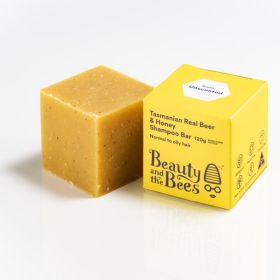 Beauty and the BeesBeauty and the Bees Shampoo Bar Tasmanian Real Beer Unscented 120gThis bestselling beer shampoo bar is unscented and suitable for normal to oily hair. For bouncy, full, shiny hair, healthy scalp; beer & hops nourish hair & rebal…View product detailsSpecial Price $15.60 Regular Price $17.30Save 10%
-
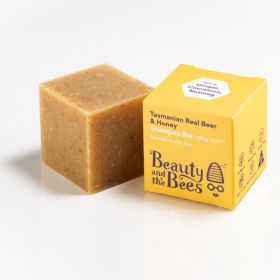 Beauty and the BeesBeauty and the Bees Shampoo Bar Tasmanian Real Beer with Ginger, Cinnamon & Nutmeg 120gThis bestselling beer shampoo bar is suitable for normal to oily hair. For bouncy, full, shiny hair, healthy scalp; beer & hops nourish hair & rebalance oily, itc…View product detailsSpecial Price $15.60 Regular Price $17.30Save 10%
-
 Acure OrganicsAcure Curiously Clarifying Shampoo 236mlA clarifying shampoo suitable for all hair types, everyday. For extra clean from grime build up or excess oil. Lemongrass & Argan.View product details$21.95
-
 Dr OrganicDr Organic Tea Tree Clarifying Shampoo for Oily Hair 265mlPurifying action for oil control at the roots and naturally healthy scalp. Enriched with Tea Tree Oil, bioactive Aloe Vera juice and peppermint oil to balance oils and ca…View product details$17.95
-
 Dr OrganicDr Organic Shampoo Bar Tea Tree & Lemon for Oily Hair 75gFormulated for oily roots & scalps. Clarifying shampoo for a deep purifying and balancing clean.View product details$22.95
-
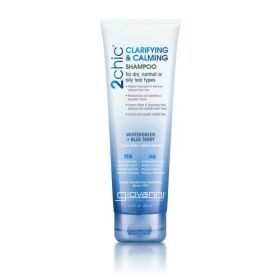 GiovanniGiovanni 2chic Clarifying & Calming Shampoo 250mlThis shampoo deeply cleanses to remove residue from hair and moisturises to restore a beautiful shine.View product details$22.95
Clarifying Shampoo vs Regular Shampoo
Regular and clarifying shampoos both cleanse the hair, but they’re intended for different points in your routine. An everyday formula handles routine washing, while clarifying shampoo can be brought in periodically when oils, dry shampoo or styling residue have accumulated.
| What to compare | Regular shampoo | Clarifying shampoo |
|---|---|---|
| Main role | Routine cleansing as part of your normal washing schedule | A more thorough cleanse when heavier residue has accumulated |
| Best suited to | Regular washing and everyday levels of oil and residue | Periodic use when hair feels coated, heavy or difficult to cleanse |
| Styling-product build-up | May handle lighter everyday residue, depending on the formula | Useful when repeated product use has left more residue behind |
| Dry shampoo build-up | May be sufficient after occasional or lighter use | Can be useful following frequent or generous dry shampoo use |
| Frequency | Used according to your normal washing routine and product directions | Used as needed rather than automatically every day or week |
| Conditioner afterwards | Usually used according to your hair’s needs | Particularly useful if the lengths or ends feel dry after clarifying |
Is clarifying shampoo better at washing hair?
No. It isn’t automatically better than regular shampoo; it has a different role. Everyday shampoo is intended for routine cleansing, while clarifying shampoo is useful when your usual formula isn’t readily cleansing accumulated oils or product residue.
Does clarifying mean chelating?
No, not necessarily. General clarifying formulas target oils and product residue. Chelating shampoos contain ingredients specifically intended to bind particular mineral deposits, which may be relevant to hard water or swimming. Some products may perform both roles, but a shampoo should only be treated as chelating when the manufacturer identifies it that way.
Which option suits frequent washing?
Regular shampoo will generally be the starting point for frequent washing. Clarifying shampoo is better treated as a periodic addition when there’s a reason for more thorough cleansing, with the individual formula and your hair condition guiding how often it is used.
Clarifying Shampoo FAQs
What is clarifying shampoo?
Clarifying shampoo is designed to provide more thorough cleansing than many everyday shampoos. It can help cleanse accumulated oil, dry shampoo, styling products and other residue from the hair. Formulas differ, so clarifying doesn’t mean that every shampoo removes every possible type of build-up.
How do I know if I need a clarifying shampoo?
Hair that feels coated, unusually heavy or less clean after its normal wash may benefit from occasional clarifying, particularly if you use plenty of styling products, hair oils or dry shampoo. These are practical observations rather than fixed rules, as changes in how your hair feels can have several possible causes.
How often should I use clarifying shampoo?
There’s no universal schedule. Someone who regularly layers styling products or uses dry shampoo frequently may clarify more often than someone with minimal build-up. Follow the directions for your chosen formula and adjust the frequency according to your washing routine, hair condition and how your hair and scalp respond.
Should I condition after using clarifying shampoo?
Usually, yes. Clarifying shampoo focuses on thorough cleansing, so applying a suitable conditioner through the lengths and ends can support softness and manageability afterwards. If your roots become oily quickly, you may prefer to keep conditioner focused on the areas that need it.
Is clarifying shampoo the same as chelating shampoo?
No, not necessarily. Clarifying shampoo generally targets oils and product residue. Chelating formulas contain ingredients specifically intended to bind particular mineral deposits, which can be relevant to hard water or swimming. Some shampoos may do both, but don’t assume a clarifying formula is chelating unless the manufacturer specifically identifies it that way.
Expert Advice for Using Clarifying Shampoo
A few small adjustments can make clarifying shampoo easier to fit into your existing hair-care routine. The aim is a more thorough cleanse when you need one—not a fixed schedule or an unnecessarily harsh wash.
Use it when there’s a reason
Base your timing on your styling habits and how your hair feels. Frequent dry shampoo, layered styling products, hair oils or longer gaps between washes may create a need for clarifying. If your regular shampoo is still doing its job, there’s no need to clarify simply because a week has passed.
Wet your hair thoroughly
Fully saturating the hair before applying shampoo helps the formula spread more evenly. Give dense or curly hair a little extra time under the water, separating sections where needed so the scalp and areas of build-up are properly wet before shampooing.
Focus on the scalp and areas with build-up
Oil, dry shampoo and many styling products tend to accumulate around the scalp and roots. Work the shampoo through these areas using your fingertips rather than aggressively scrubbing the lengths and ends. The lather moving through during rinsing may be sufficient for more vulnerable ends, unless the product directions say otherwise.
Follow the product directions
Clarifying formulas aren’t all used in exactly the same way. Apply the recommended amount and follow the stated method. Don’t automatically double-cleanse or leave shampoo sitting on the hair, as these steps aren’t necessary unless the directions specifically recommend them.
Condition the areas that need it
After rinsing thoroughly, apply conditioner through any lengths or ends that feel drier after clarifying. Fine or oily hair may only need a small amount towards the ends, while dry, curly, bleached or colour-treated hair may call for more considered conditioning and less frequent clarifying.
Don’t confuse clean with stripped
The goal isn’t hair that feels squeaky, rough or difficult to manage. If your hair or scalp consistently feels uncomfortable after clarifying, reconsider the formula or how often you’re using it. Clarifying also isn’t a reliable method of removing toner or correcting hair colour; speak with your hairdresser before trying to alter the results of a colour or chemical service.
Not sure whether clarifying or regular shampoo better fits your routine? Tell our team which styling, oil and dry shampoo products you use, along with how often you wash, and we can help narrow down the options.


