
-
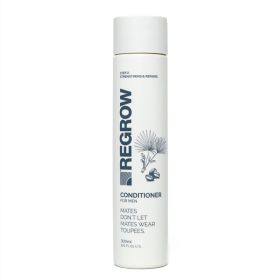 Regrow Hair ClinicsRegrow Hair Clinics Conditioner For Men 300mlFollow the shampoo with this conditioner that regrows, rejuvenates and promotes healthy & lush, vibrant hair.View product details$38.95
 -
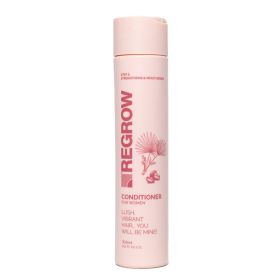 Regrow Hair ClinicsRegrow Hair Clinics Conditioner For Women 300mlFollow the shampoo with this conditioner that regrows, rejuvenates and promotes healthy & lush, vibrant hair.View product details$38.95
Hair Growth Products and Length Retention Compared
Oils, serums and shampoos occupy different places in a hair-care routine. None should be chosen on format alone: application time, texture and whether you want rinse-off or leave-on care will usually be more useful deciding factors.
| Format | How it fits into a routine | Texture and application | Why you might choose it |
|---|---|---|---|
| Scalp or hair oil | May be used as a pre-shampoo treatment or as directed for the scalp and lengths | Usually richer and may require shampooing after the stated treatment time | Useful when additional lubrication and conditioning suit your hair-care goals |
| Scalp serum or tonic | Generally applied directly to targeted areas, with leave-on time varying by product | Can offer more precise application than distributing an oil through the hair | May suit customers who want a dedicated scalp step alongside regular washing |
| Shampoo | Used during the cleansing stage and rinsed away | Works into an existing wash routine without adding a separate leave-on step | A practical starting point when cleansing and scalp care are the main priorities |
| Conditioner or mask | Applied mainly to the lengths after shampooing or according to the treatment directions | Provides varying levels of slip and richness | Useful for dry, tangled or fragile lengths where retaining condition matters |
Is an oil or serum better for growing long hair?
Neither format is universally better. An oil may appeal if you enjoy a richer pre-shampoo treatment, while a serum or tonic may offer a more targeted scalp application. For growing hair longer, the most useful product is one that fits your routine and supports the condition of your scalp or existing hair without encouraging unrealistic expectations of regrowth.
Should I start with shampoo or a separate treatment?
Start with the step that addresses your main concern. Shampoo makes sense when cleansing and scalp comfort are priorities. A conditioner or mask is more relevant when breakage, tangling or dry lengths are getting in the way of length retention. Oils and serums can then be added if their texture, application method and intended use suit you.
Natural Hair Growth FAQs
Can natural products make my hair grow faster?
Hair growth is influenced by factors beyond shampoo, oil or styling products. Cosmetic hair care can keep the scalp and existing hair well cared for, while reducing avoidable breakage may help you retain more length as your hair grows. A claim that a particular product stimulates new hair growth requires stronger, product-specific evidence and shouldn't be assumed from the category name or ingredients alone.
What's the difference between hair growth and length retention?
Hair growth happens at the follicle, while length retention means preserving the hair that has already grown. Someone can have ongoing growth but feel that their hair never becomes longer because fragile ends repeatedly split or break. Conditioning, gentle detangling and sensible styling can support length retention, but that isn't the same as increasing growth at the follicle.
Does rosemary oil help hair grow?
Rosemary is widely used in scalp and hair products and has been studied in relation to hair growth, but this doesn't mean every rosemary oil or rosemary-containing cosmetic has been proven to regrow hair. Concentration, formulation, intended use and evidence for the finished product all matter. Use a properly formulated product according to its directions rather than applying undiluted rosemary essential oil to the scalp.
Does castor oil make hair grow?
Castor oil is commonly used to condition and lubricate the hair and scalp, but its popularity as a traditional hair-growth remedy isn't proof that cosmetic castor oil stimulates new growth. Its rich texture can suit pre-shampoo treatments and dry-feeling hair, although it may feel heavy on finer hair. How it is applied and washed out will depend on the particular product.
When should I get advice about hair loss?
Consider speaking with your GP or another appropriately qualified health professional if hair loss is sudden, significant, persistent or unexplained, or if you notice bald patches or concerning scalp symptoms. Hair loss can have many causes, and a cosmetic hair-care routine can't identify the reason. Professional advice can help distinguish an underlying concern from breakage or changes in hair appearance.
Expert Advice for Growing and Retaining Healthy-Looking Hair
A product can be useful for conditioning, scalp care or reducing breakage without being capable of stimulating new hair growth. A few practical habits can help you get more from the products you choose while keeping the focus on realistic hair-care goals.
Pay attention to the lengths, not only the scalp
If longer hair is your goal, look at what happens after each strand leaves the scalp. Mid-lengths and ends have been exposed to more washing, brushing, friction and styling than newer growth. Apply conditioner where it provides useful slip, and give especially dry areas extra attention rather than automatically applying every treatment from roots to ends.
Detangle in manageable sections
Trying to pull through a large knot in one pass places unnecessary stress on the hair. Divide the hair into sections, begin near the ends and gradually work upwards. Conditioner or a suitable leave-in product can add slip where needed. Textured or curly hair may respond better to detangling while adequately conditioned rather than when dry.
Make scalp treatments easy to distribute
When applying an oil, serum or tonic to the scalp, parting the hair into several sections can provide more targeted coverage without saturating the lengths. More product isn't automatically more useful. Begin with the directed amount, then massage or distribute it using the method supplied for that formulation.
Keep heat in perspective
You don't necessarily need to stop blow-drying or using heated tools. Apply an appropriate heat protectant, work at a sensible temperature and avoid repeatedly heating the same section. Hair that is already dry or fragile may benefit from fewer passes and gentler handling while it cools.
Give the routine time without chasing quick fixes
Hair growth is gradual, while improvements in softness or manageability may be noticed on a different timeline. Avoid changing several products every few days in search of instant growth. A consistent routine makes it easier to judge how well products suit your scalp and hair, without confusing better conditioning or reduced breakage with new follicle growth.


