
-
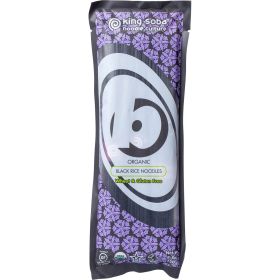 $8.95
-
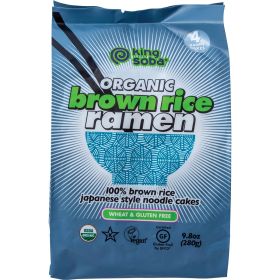 King SobaKing Soba Organic Brown Rice Ramen Noodles 280gMade from 100% organic brown rice, these fine noodles are a good source of fiber and rich in antioxidantsView product details$9.95
-
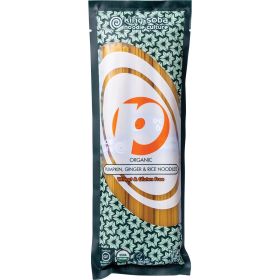 King SobaKing Soba Organic Pumpkin, Ginger&Rice Noodles 250g100% organic and naturally wheat & gluten-free.View product details$8.95
-
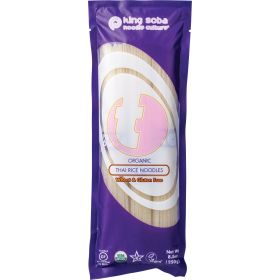 King SobaKing Soba Organic Thai Rice Noodles 250gCertified: Organic, Vegan & KosherView product details$8.95
-
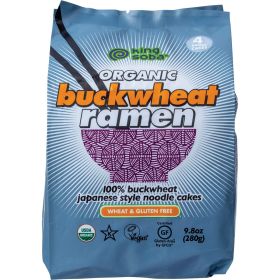 King SobaKing Soba Organic Buckwheat Ramen Noodles 280gOrganic Buckwheat Ramen is made with 100% organic buckwheat.View product details$9.95
Compare King Soba Organic Noodles
King Soba noodles span earthy buckwheat, mild rice varieties, colourful black rice and distinctive ingredient combinations. This quick comparison focuses on how each option fits into a meal, so you can narrow the selection according to flavour and what you’re cooking.
| Noodle variety | Flavour and appearance | Great for |
|---|---|---|
| Buckwheat ramen | Earthy, nutty buckwheat flavour | Noodle soups and savoury broths |
| 100% buckwheat noodles | Distinctive buckwheat flavour without a grain blend | Sesame dressings, vegetables and stir-fries |
| Brown rice ramen | Mild, slightly nutty brown rice flavour | Ramen bowls and vegetable soups |
| 100% brown rice noodles | Mild rice base without a grain blend | Everyday stir-fries, sauces and noodle bowls |
| Thai rice noodles | Mild and versatile | Stir-fries, soups and noodle salads |
| Black rice noodles | Distinctive dark appearance | Colourful noodle bowls and cold salads |
| Pumpkin, ginger and rice noodles | A flavoured rice noodle blend | Stir-fries and simple vegetable dishes |
| Brown rice and wakame noodles | Mild rice paired with seaweed | Broths and Asian-inspired dishes |
There isn’t one variety that suits every recipe. Choosing between them is mainly about whether you want the noodle to contribute a noticeable flavour, provide a mild base or add visual interest to the finished meal.
Which King Soba noodles are best for soup?
Buckwheat ramen is a good match for full-flavoured broths, while brown rice ramen provides a milder base for ramen bowls and vegetable soups. Brown rice and wakame noodles are another option when the rice and seaweed combination complements the broth.
Which variety should I try for a stir-fry?
Thai rice noodles are a versatile starting point when you want the sauce and vegetables to lead. Choose buckwheat for a more noticeable earthy flavour, or pumpkin, ginger and rice noodles when you’d like the noodle blend to add another flavour dimension.
Frequently Asked Questions About King Soba
Are King Soba noodles gluten-free?
Yes. King Soba describes its noodle range as gluten-free as well as certified organic. If you’re managing coeliac disease, a food allergy or another specific dietary requirement, use the current packaging and allergen information for your chosen variety to make sure it meets your individual needs.
Is buckwheat actually wheat?
No. Despite the name, buckwheat isn’t a type of wheat and is naturally gluten-free. It has a distinctive earthy, nutty flavour that works well with broths, sesame dressings, vegetables and stir-fries. King Soba uses it in traditional-style noodles as well as gluten-free ramen.
Are King Soba noodles vegan?
Yes. King Soba identifies its noodle range as vegan, making these varieties suitable for plant-based meals. They can be served with stir-fried vegetables, tofu, vegetable broths and homemade sauces. As formulations can change, current packaging remains the best source when a particular dietary requirement is important to you.
What’s the difference between King Soba buckwheat and rice noodles?
Buckwheat noodles have a more pronounced earthy, nutty flavour. Brown rice noodles are milder with a slight nuttiness, while Thai rice noodles provide a relatively neutral base for sauces and dressings. Your decision can therefore be guided by whether you want the noodles or the accompanying ingredients to lead the dish.
Can I use King Soba noodles instead of regular pasta?
Yes, in suitable recipes. Mild rice noodles can work with simple vegetable sauces, while buckwheat noodles pair well with mushrooms, greens and sesame-based dressings. Their cooking behaviour can differ from wheat pasta, so use the packet method rather than automatically applying the time or technique from a conventional pasta recipe.
Our Expert Advice for Cooking King Soba Noodles
A few small adjustments can make King Soba noodles easier to cook and serve, particularly if you’re moving from conventional wheat pasta to gluten-free grains and blends. The aim is to preserve the noodle texture while matching the preparation to the dish.
Keep an eye on cooking time
Gluten-free noodles can become overly soft when they’re cooked for too long. Follow the time on the packet, then begin checking the noodles as they approach the end of that cooking window. If they’ll be heated again in a stir-fry or broth, it can be useful to account for that extra cooking time rather than leaving them unattended until the final minute.
Rinse when the recipe calls for it
Rinsing cooked noodles can help separate them and remove surface starch, particularly when they’re destined for a cold salad or will be added to a stir-fry. It isn’t an automatic step for every recipe, though. Follow the packet method and consider how the noodles will be served before taking them from the saucepan to the colander.
Add noodles to soups at the right time
For meals being served straight away, noodles can be combined with the broth according to the recipe and packet directions. If you’re cooking ahead, preparing the noodles separately and adding them closer to serving can help prevent them sitting in hot broth and becoming too soft. This also makes it easier to store leftover broth and noodles separately.
Try them beyond traditional noodle dishes
King Soba noodles don’t have to be reserved for ramen and stir-fries. Buckwheat noodles can be served with roasted mushrooms or greens and a sesame dressing, while mild rice noodles pair easily with roasted vegetables and homemade sauces. For cold meals, let the cooked noodles cool as directed before tossing them gently with dressing and vegetables. Flavoured or black rice varieties can also bring extra character to a simple bowl without requiring a complicated recipe.


