
-
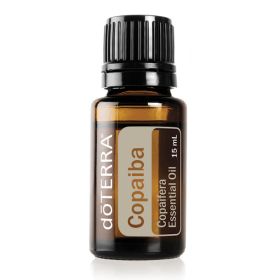 doTERRAdoTERRA Copaiba Essential Oil 15mlA warm, woody oil with a soft aroma. Commonly used in diffusers and everyday home routines.View product details$74.00
-
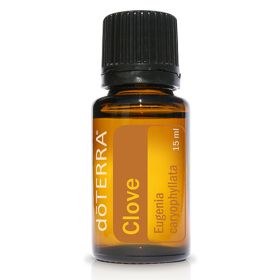 doTERRAdoTERRA Clove Essential Oil 15mlA warm, spicy oil with a rich aroma. Commonly used in diffusers and everyday home routines.View product details$47.00
-
 doTERRAdoTERRA Clary Sage Essential Oil 15mlA soft, herbaceous oil with a warm aroma. Commonly used in diffusers and everyday home routines.View product details$79.00
-
 doTERRAdoTERRA Cedarwood Essential Oil 15mlA warm, woody oil with a soft aroma. Commonly used in diffusers and everyday home routines.View product details$31.00
-
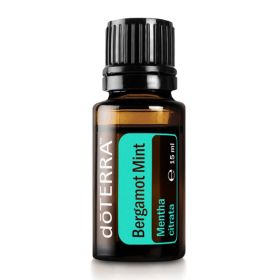 doTERRAdoTERRA Bergamot Mint Essential Oil 15mlBergamot Mint’s lavender-like, minty aroma complements a warm relaxing bath. Allow 7-10 days for this to arrive in stock.View product details$35.00
-
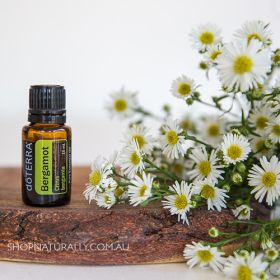 doTERRAdoTERRA Bergamot Essential Oil 15mlA fresh, citrus oil with a light floral note. Commonly used in diffusers and everyday home routines.View product details$67.00
Which dōTERRA Single Essential Oil Should You Choose?
Sometimes the hardest decision isn't choosing an essential oil aroma family, but deciding between two oils that seem quite similar. What's the difference between Peppermint and Spearmint? Is Lemon or Lime a better match for your preferences? And how do Frankincense and Myrrh compare?
We've compared some popular dōTERRA single essential oils to help you discover the differences in their aromas and find the ones that appeal to you.
| Essential Oils | What's the Difference? | Which Should You Choose? |
|---|---|---|
| Lavender vs Roman Chamomile | Lavender has a familiar, soft floral aroma with gentle herbal notes. Roman Chamomile is sweeter, with a distinctive fruity, apple-like character. | Choose Lavender for a classic floral fragrance or Roman Chamomile if you prefer something softer, sweeter and a little different. |
| Peppermint vs Spearmint | Peppermint has a strong, cool and penetrating mint aroma. Spearmint is generally sweeter, softer and less intense. | Choose Peppermint for a bold mint fragrance or Spearmint for a gentler, sweeter alternative. |
| Lemon vs Lime | Both have bright citrus aromas, but Lemon is crisp and distinctly lemony, while Lime has a sharper, zestier character. | Choose Lemon for a familiar fresh citrus scent or Lime if you enjoy something a little more tangy. |
| Wild Orange vs Tangerine | Wild Orange has a bright, sweet orange aroma. Tangerine is also sweet and fruity, but generally has a softer, more delicate citrus character. | Choose Wild Orange for a familiar orange fragrance or Tangerine for a lighter, sweeter citrus variation. |
| Frankincense vs Myrrh | Frankincense has a warm, resinous aroma with woody and slightly fresh notes. Myrrh is deeper, richer and more earthy, with a distinctive balsamic character. | Choose Frankincense for a more versatile resinous fragrance or Myrrh if you enjoy deeper, heavier aromatic notes. |
| Cedarwood vs Sandalwood | Cedarwood has a dry, warm woody aroma, while Sandalwood is smoother, creamier and slightly sweet. | Choose Cedarwood for a traditional woody fragrance or Sandalwood for a softer, richer aromatic experience. |
| Tea Tree vs Eucalyptus | Tea Tree has a fresh, herbal and slightly medicinal aroma. Eucalyptus has a sharper, more penetrating scent with distinctive fresh, camphor-like notes. | Choose Tea Tree if you enjoy herbal aromas or Eucalyptus if you prefer a stronger, fresher fragrance. |
| Rosemary vs Basil | Rosemary has a fresh, green and aromatic scent with slightly woody notes. Basil is sweeter and more herbaceous, with a recognisable culinary herb character. | Choose Rosemary for a crisp herbal fragrance or Basil for something warmer and sweeter. |
| Grapefruit vs Bergamot | Grapefruit has a bright, tangy citrus aroma with a slightly bitter edge. Bergamot combines fresh citrus notes with a softer, floral complexity. | Choose Grapefruit for a lively citrus fragrance or Bergamot if you enjoy a more sophisticated citrus-floral combination. |
| Patchouli vs Vetiver | Patchouli has a rich, earthy aroma with sweet, woody undertones. Vetiver is deeper and drier, with smoky, woody and earthy notes. | Choose Patchouli for a sweeter earthy fragrance or Vetiver if you prefer a drier, more intense aromatic profile. |
There's no right or wrong choice when it comes to personal fragrance preferences. If you already enjoy one oil, trying another from the same aromatic family can be a great way to discover something new. You might even find that you enjoy combining the two in a diffuser, provided both products are suitable for that use.
Frequently Asked Questions
What are the best dōTERRA single essential oils for beginners?
Lavender, Lemon, Wild Orange and Peppermint are popular starting points because their aromas are familiar and easy to recognise. Lavender offers soft floral notes, Lemon and Wild Orange provide different citrus fragrances, and Peppermint has a distinctive mint aroma. Start with a couple of oils you already like the smell of, rather than buying a large collection straight away.
What is the difference between dōTERRA single essential oils and blends?
Single essential oils come from one botanical source, while blends combine multiple oils into a finished formulation. Singles are ideal if you enjoy individual aromas or creating your own combinations. Ready-made blends are convenient when you prefer a fragrance combination that has already been developed for you.
Can I use dōTERRA single essential oils in a diffuser?
Many dōTERRA single essential oils can be used in compatible diffusers, provided their individual Australian product directions support aromatic use. Popular diffuser choices include Lavender, Lemon, Wild Orange and Peppermint. You can enjoy an oil on its own or combine compatible oils to create different fragrances. Always follow the directions for your diffuser and the oils you're using.
Can I mix different dōTERRA single essential oils together?
Yes, you can create your own aromatic combinations using oils suitable for the intended application. Citrus oils often complement woody aromas, while floral oils can work beautifully alongside citrus or herbal notes. Start with small quantities and adjust the balance to suit your preferences, keeping in mind that stronger aromas such as Peppermint, Clove and Vetiver can quickly dominate a blend.
Can dōTERRA single essential oils be applied directly to the skin?
Some dōTERRA single essential oils have directions for topical application, but not all oils are suitable for direct skin contact. Certain oils require dilution, and individual products may have additional precautions. Always check the Australian product directions before applying an essential oil to your skin. If you prefer a convenient pre-diluted format, explore the dōTERRA Touch range.
How should I store my dōTERRA essential oils?
Keep essential oil bottles tightly closed and store them in a cool, dry place away from direct sunlight and excessive heat. Avoid leaving them in hot cars or near windows where temperatures fluctuate. Proper storage helps preserve their aromatic characteristics. Always keep essential oils out of reach of children and follow any additional storage instructions on the product label.
Can I buy dōTERRA essential oils without becoming a member?
Absolutely. You can purchase genuine dōTERRA single essential oils from Shop Naturally without becoming a dōTERRA Wellness Advocate or joining a membership program. As an Official Australian Stockist, we make it easy to shop the range online and purchase individual oils whenever you need them.
Practical Tips for Using dōTERRA Single Essential Oils
A small, thoughtfully chosen collection is often more useful than a large group of oils you rarely reach for. These practical habits can make it easier to learn what you enjoy and create aromatic combinations that feel personal to you.
Start with a few contrasting aromas
Choose oils according to scents you genuinely like and how you intend to use them. A citrus oil, a floral or mint oil and a woody or resinous oil will give you noticeably different aromatic profiles to explore. Once you know which families you prefer, it becomes easier to add more specialised oils with purpose.
Test diffuser combinations in small steps
When creating a diffuser blend, begin with a simple combination of two oils rather than mixing many at once. Add more pronounced mint, spice, herbal or earthy aromas gradually so they don't overwhelm softer notes. Use the amount specified for your diffuser and stay within the individual directions for each oil.
Keep a record of combinations you enjoy
It's surprisingly easy to forget the balance of a blend that worked well. Note the oils and proportions you used, along with any changes you'd make next time. This also helps you understand which oils you use most frequently before replacing a bottle or expanding your collection.
Keep your oils organised
When you're experimenting with several oils, keep the bottles together and return each cap to its original bottle. A small storage box or organiser makes it easier to find your favourites and protects bottles from being knocked over. Keep your collection away from heat and direct sunlight.
Check the directions for each oil
Not every essential oil is used in the same way. Some are suitable for aromatic use, others have specific topical directions, and certain oils require additional precautions. Always follow the current Australian product information, particularly when trying an unfamiliar oil or a new application method.


