
-
 Jack n JillJack n Jill Kids Natural Toothpaste Bubblegum 50gThis all natural bubblegum flavoured kids toothpaste is suitable for children 6 months and up.View product details$7.50
-
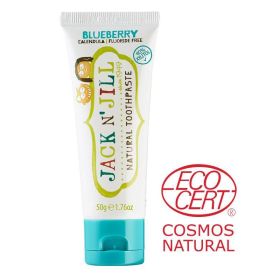 Jack n JillJack n Jill Kids Natural Toothpaste Blueberry 50gThis all natural blueberry flavoured kids toothpaste is suitable for children 6 months and up.View product details$6.95
-
 GemGem Triple Whitening Toothpaste Crisp Mint 100gThis high-performance Triple Whitening range gives you a deeper clean and a brighter smile.View product details$14.95
-
 GrantsGrants Natural Whitening Toothpaste Peppermint 110gA cool minty taste with baking soda to help naturally whiten teeth.View product details$5.50
-
 GrantsGrants Natural Whitening Toothpaste Spearmint 110gA milder spearmint taste with baking soda to help naturally whiten teeth.View product details$5.50
-
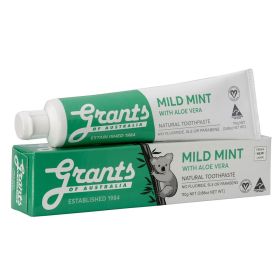 GrantsGrants Natural Toothpaste Mild Mint 110gThe original mild mint flavour for older kids and adults alike. Gentle for sensitive teeth and gums or ulcers.View product details$5.50
-
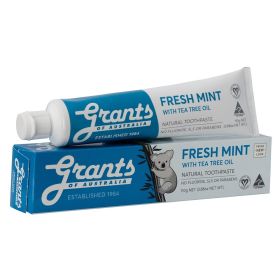 GrantsGrants Natural Toothpaste Fresh Mint 110gA strong mint toothpaste boosted with tea tree oil.View product detailsSpecial Price $4.50 Regular Price $5.50Save 18%
-
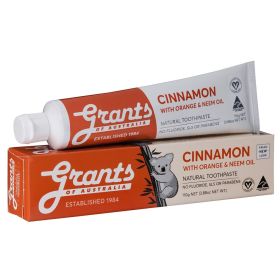 GrantsGrants Natural Toothpaste Cinnamon 110gFor those who prefer a 'non-mint' flavour, cinnamon with a hint of orange and boosted with neem oil.View product details$6.50
-
 GrantsGrants Kids Natural Toothpaste Blueberry Burst 75gFor kids 2 years and up. Kid tested and approved.View product details$4.50
-
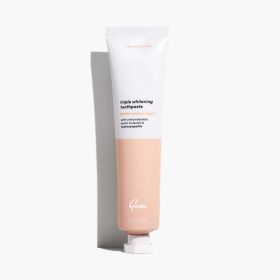 GemGem Triple Whitening Toothpaste Watermelon Mint 100gThis high-performance Triple Whitening range gives you a deeper clean and a brighter smile.View product details$14.95
-
 GemGem Triple Whitening Toothpaste Coconut Mint 100gThis high-performance Triple Whitening range gives you a deeper clean and a brighter smile.View product details$14.95
-
 GemGem Triple Whitening Toothpaste Apple Mint 100gThis high-performance Triple Whitening range gives you a deeper clean and a brighter smile.View product details$14.95
-
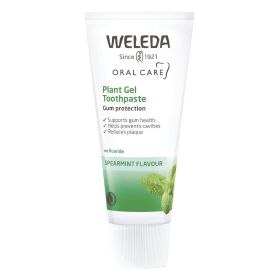 WeledaWeleda Plant Gel Toothpaste 75mlSensitive teeth and gums need special care to make sure they don’t harbour plaque and decay. Plant Gel is Weleda's most gentle toothpaste.View product details$12.50
-
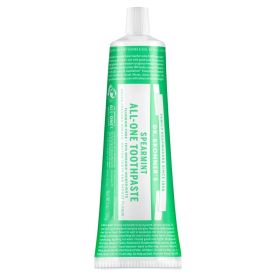 Dr Bronner'sDr Bronner's Toothpaste Spearmint 140gA milder tasting, vegan, low foaming, fluoride free formula made with 70% organic ingredients in a generous 140g tube.View product details$19.95
-
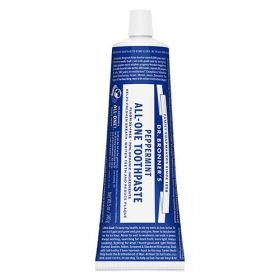 Dr Bronner'sDr Bronner's Toothpaste Peppermint 140gA vegan, low foaming, fluoride free formula made with 70% organic ingredients in a generous 140g tube.View product details$19.95
Common Ingredients in Fluoride-Free Toothpaste
Ingredient lists can look complicated, but most ingredients have a practical job within the formula. This quick comparison explains why several familiar ingredients appear in fluoride-free toothpaste and what their presence may mean for the brushing experience.
| Ingredient | What it does | Why brands use it |
|---|---|---|
| Xylitol | Provides sweetness without conventional sugar. | It improves flavour and is of interest in oral care because certain bacteria do not metabolise it like ordinary sugars. |
| Hydroxyapatite | Supports the natural remineralisation of tooth enamel. | It's a scientifically researched calcium phosphate mineral that closely resembles the mineral naturally found in teeth, making it an appealing ingredient for enamel care. |
| Calcium carbonate | Provides physical cleaning and polishing during brushing. | This mineral ingredient can help remove everyday deposits and some surface staining. |
| Hydrated silica | Acts as a cleaning and polishing ingredient. | It can be formulated to create different textures and levels of polishing action. |
| Sodium bicarbonate | Offers mild abrasive action and helps neutralise acids. | It is a familiar oral care ingredient with a distinctive taste and texture. |
| Aloe vera | Contributes its sensory and soothing characteristics to the overall formula. | It is often selected for naturally inspired toothpaste formulations. |
| Botanical extracts | May contribute flavour, aroma or other formulation characteristics. | They allow brands to create different plant-based flavour profiles and ingredient combinations. |
| Coconut-derived cleansing ingredients | Help the paste spread and lift away debris during brushing. | They can provide an alternative surfactant system, including in some SLS-free formulas. |
| Essential oils and natural flavours | Create the toothpaste’s flavour and aroma. | They provide choices ranging from strong mint to gentler herbal or fruit-inspired tastes. |
Does fluoride-free toothpaste still clean your teeth?
Yes. Brushing with a toothbrush provides physical cleaning, while polishing agents and cleansing ingredients in the toothpaste can assist with loosening debris and removing some surface deposits.
Why do some natural toothpastes foam less?
Foaming depends on the surfactants used and how much is included. Some SLS-free toothpastes use alternative cleansing ingredients that create a lighter lather. A lighter lather can take a little getting used to, but your toothpaste doesn't need lots of foam to help clean your teeth.
Fluoride-Free Toothpaste FAQs
What does fluoride free mean on toothpaste packaging?
It means the toothpaste has been formulated without added fluoride compounds. It does not describe every other aspect of the product. Fluoride-free toothpastes can contain very different cleaning agents, flavours, sweeteners, botanical ingredients and surfactants, so there is plenty of variation within the category.
What ingredients are used instead of fluoride in toothpaste?
Fluoride-free toothpastes use a variety of ingredients for different purposes. Hydroxyapatite is a scientifically researched mineral used to support enamel remineralisation, while calcium carbonate and hydrated silica help clean and polish teeth. Xylitol provides sweetness, and botanical extracts, essential oils and other ingredients contribute flavour, freshness and texture.
Can fluoride-free toothpaste help remove stains from teeth?
Yes. Many fluoride-free toothpastes contain polishing ingredients such as hydrated silica, calcium carbonate or bicarbonate of soda, which help remove everyday surface stains from food and drinks. Some brands also offer whitening formulations designed to brighten the appearance of your teeth. These ingredients work on surface staining rather than changing the natural colour of your teeth.
Are there fluoride-free toothpaste options for children?
Yes, there are fluoride-free toothpastes developed specifically for children. Look for age guidance and a flavour and texture your child is comfortable using. Children’s formulas may have milder mint or fruit-inspired flavours. Choose a toothpaste suitable for your child's age and follow the brushing directions on the packaging.
What does xylitol do in fluoride-free toothpaste?
Xylitol gives toothpaste a pleasant sweetness without using conventional sugar, but there's more to it than flavour. Unlike ordinary sugar, xylitol isn't readily fermented by the bacteria responsible for producing acids in the mouth. This makes it an interesting ingredient in oral care, particularly for brands developing fluoride-free formulations that combine everyday cleaning with thoughtfully selected ingredients.
Expert Tips for Getting the Most from Your Fluoride-Free Toothpaste
Changing toothpaste can make a familiar task feel surprisingly different. A few practical adjustments can help you settle into a new flavour, texture or foaming level and get a more comfortable brushing experience.
Give unfamiliar flavours a fair try
Natural flavour profiles can be more complex than a standard strong mint. Herbal, bicarbonate-based and fruit-inspired toothpastes may taste unusual on the first few uses, particularly if you have used the same flavour for years. If the taste is comfortable but simply unfamiliar, allow a little time for it to become part of your routine. If you actively dislike it, another flavour is likely to be a better long-term fit.
Don't use foam as your brushing guide
A low-foaming toothpaste can make it tempting to add more halfway through brushing. Instead, begin with the amount recommended for that product and focus on moving the toothbrush methodically around every surface. Foam is mainly a sensory feature; it is not a reliable measure of how thoroughly you have brushed.
Adjust to the texture rather than overloading the brush
Bicarbonate and mineral-based formulas may feel denser, grainier or less slippery than a gel toothpaste. Start with the recommended amount and brush gently, allowing the toothpaste to spread naturally as you move around your teeth. There's no need to use extra toothpaste simply because the texture feels different.
Complete the routine between your teeth
Toothbrush bristles do not always reach comfortably into the narrow spaces between teeth. Floss or an appropriately sized interdental brush can clean these areas as a separate step. Explore our dental floss range to find an option that suits your everyday oral care routine.
How much pressure should you use when brushing?
Brushing harder doesn't necessarily mean cleaning better. Use a soft-bristled toothbrush and gentle, controlled movements rather than vigorous scrubbing. This is particularly worth remembering when trying a toothpaste with a different texture or polishing ingredients. Let the toothbrush and toothpaste do their jobs without applying excessive pressure.


