Other body care essentials
-
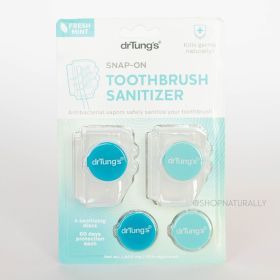 Dr TungsDr Tung's Snap-On Toothbrush Sanitizer6 months protection - releases all-natural, anti-bacterial vapors to kill germs.View product details$12.95
Bamboo Toothbrush Comparison
The handle is only one part of a toothbrush. This comparison separates the handle and bristle materials so you can quickly see which type aligns with your preferences around plastic, vegan materials and brushing feel.
| Toothbrush type | Handle | Bristles | Plastic-free? | May suit |
|---|---|---|---|---|
| Bamboo toothbrush with nylon bristles | Bamboo | Nylon | No | Customers wanting to replace a conventional plastic handle while retaining familiar synthetic bristles |
| Bamboo and horsehair toothbrush | Bamboo | Horsehair | Yes, where confirmed for the complete Natural Health Co product | Customers seeking natural bristles and a plastic-free toothbrush who are comfortable with animal-derived materials |
| Bamboo and boar-bristle toothbrush | Bamboo | Boar bristles | Yes, where confirmed for the complete Natural Health Co product | Customers seeking natural bristles and a plastic-free toothbrush who are comfortable with animal-derived materials |
Good to know: Horsehair and boar bristles are animal-derived and are not vegan. If vegan materials are important to you, select an appropriate synthetic-bristle toothbrush.
Which option reduces plastic without changing the bristle material?
A bamboo toothbrush with nylon bristles replaces the conventional moulded plastic handle while retaining synthetic bristles. It can be a practical middle ground if you want to reduce plastic but prefer the familiar feel and consistent structure of nylon.
Which option is completely plastic-free?
The confirmed Natural Health Co bamboo toothbrushes with horsehair or boar bristles provide plastic-free choices within this collection. The trade-off is that their bristles come from animals. Choosing between them and nylon therefore depends on whether avoiding plastic or choosing vegan materials is your higher priority.
Does natural bristle material determine firmness?
Not by itself. Horsehair and boar bristles identify the source of the material, but the finished feel also depends on the particular brush. Use the stated firmness and intended adult or child sizing to make the more practical comparison.
Bamboo Toothbrush FAQs
Are bamboo toothbrushes plastic-free?
Not necessarily. Most bamboo toothbrushes have a bamboo handle but use nylon bristles, so the complete toothbrush still contains plastic. If you specifically want a plastic-free toothbrush, consider both the handle and bristle materials. Shop Naturally stocks confirmed Natural Health Co options combining bamboo handles with horsehair or boar bristles.
What are bamboo toothbrush bristles made from?
Nylon is the most common bristle material used in bamboo toothbrushes. The word “bamboo” generally refers to the handle rather than the bristles. Natural-bristle alternatives are less common, but our Natural Health Co selection includes bamboo-handled brushes made with horsehair or boar bristles.
What is the difference between horsehair and boar-bristle toothbrushes?
The main confirmed difference is the animal source of the bristles. The material name does not provide a reliable comparison of firmness on its own, so use the stated firmness and intended user of each brush when deciding. Both options provide natural animal-hair bristles and are available for customers looking to avoid nylon.
Are bamboo toothbrushes biodegradable or compostable?
The bamboo handle and bristles need to be considered separately. A brush with nylon bristles should not be described as entirely biodegradable or compostable. Some manufacturers provide directions for removing the bristles or separating the head before disposing of the handle. Follow the instructions supplied for the particular toothbrush rather than placing an intact brush in home compost.
Are natural-bristle toothbrushes vegan?
No. Horsehair and boar bristles are animal-derived, so toothbrushes made with these materials are not vegan. Customers who prefer vegan oral care can choose an appropriate bamboo toothbrush with synthetic bristles, understanding that nylon means the complete brush is not plastic-free.
Practical Tips for Using and Caring for a Bamboo Toothbrush
A few simple habits can keep your toothbrush fresh between uses and make the transition to bamboo or natural bristles feel straightforward.
Look beyond the handle
Before first use, take note of the bristle material as well as the bamboo handle. Knowing whether your brush uses nylon, horsehair or boar bristles clarifies whether it is vegan, whether it is confirmed as plastic-free and how its components may need to be handled at the end of its useful life.
Let the brush dry thoroughly
Rinse the bristles after brushing, shake off excess water and store the toothbrush upright where air can circulate around it. Bamboo and natural bristles are best kept away from standing water and continuously damp, enclosed containers. If you use a travel case, allow the brush to dry before packing it away whenever practical.
Use gentle, thorough brushing
Changing the handle or bristle material does not mean you need to scrub harder. Use controlled movements and comfortable pressure, giving yourself a little time to adjust if natural bristles feel different from nylon. For advice on brushing technique, firmness or dental work, your dentist can recommend an approach suited to you.
Know when it is time for a new brush
Around three months is the usual replacement guide, but the condition of the bristles matters too. Replace the brush sooner if they become worn, flattened or splayed. Allowing it to dry properly between uses can also help the bristles retain their intended shape during normal use.
Consider the rest of your dental-care routine
A toothbrush handles the tooth surfaces it can reach, while other products have different roles. Pair it with a suitable natural toothpaste, and consider silk floss for cleaning between teeth. A natural mouthwash may also fit your routine according to its directions.
Not sure whether nylon, horsehair or boar bristles match your priorities? Shop Naturally can help you identify which toothbrushes are plastic-free and which contain synthetic or animal-derived materials. For pain, bleeding, sensitivity or individual dental concerns, speak with your dentist.