
-
 GemGem Triple Whitening Toothpaste Crisp Mint 100gThis high-performance Triple Whitening range gives you a deeper clean and a brighter smile.View product details$14.95
-
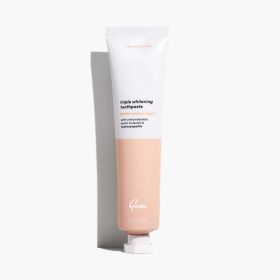 GemGem Triple Whitening Toothpaste Watermelon Mint 100gThis high-performance Triple Whitening range gives you a deeper clean and a brighter smile.View product details$14.95
-
 GemGem Triple Whitening Fluoride Toothpaste Crisp Mint 100gThis high-performance Triple Whitening range gives you a deeper clean and a brighter smile. Includes fluoride.View product details$14.95
-
 GemGem Triple Whitening Toothpaste Coconut Mint 100gThis high-performance Triple Whitening range gives you a deeper clean and a brighter smile.View product details$14.95
-
 GemGem Triple Whitening Toothpaste Apple Mint 100gThis high-performance Triple Whitening range gives you a deeper clean and a brighter smile.View product details$14.95
Hydroxyapatite vs Nano-Hydroxyapatite
You've probably noticed that some toothpastes contain hydroxyapatite, while others specifically mention nano-hydroxyapatite. They're both forms of the same mineral, with the main difference being the size of the particles. Here's how they compare.
| Feature | Hydroxyapatite | Nano-Hydroxyapatite |
|---|---|---|
| What is it? | A calcium phosphate mineral naturally found in teeth and bones. | The same mineral, but with much smaller particles. |
| Particle size | Generally refers to larger particles, although the size isn't always specified. | Extremely small particles measured in nanometres. |
| How it works | Mineral particles can attach to the tooth surface and support enamel remineralisation. | Smaller particles can interact with tiny irregularities in enamel and exposed dentine. |
| Enamel care | Used in toothpaste to help replenish minerals in tooth enamel. | Also used to support remineralisation, with research exploring how smaller particles interact with enamel. |
| Tooth sensitivity | Has been studied for its potential to help manage tooth sensitivity. | Has also been studied for its ability to cover the tiny channels in exposed dentine associated with sensitivity. |
| What to look for | Check the product information for the type of hydroxyapatite used. | Look for nano-hydroxyapatite specifically identified on the packaging or ingredient list. |
Does every toothpaste tell you which type it contains?
Not always. Some brands clearly identify nano-hydroxyapatite or non-nano hydroxyapatite, while others simply list hydroxyapatite among their ingredients. If you have a preference for one type, it's worth checking the manufacturer's product information.
Is one form better than the other?
Both forms have been studied for their role in enamel care and remineralisation. While particle size can influence how hydroxyapatite interacts with teeth, it isn't the only factor that matters. The amount of hydroxyapatite and the other ingredients in the toothpaste also play a part.
Hydroxyapatite Toothpaste FAQs
What are the benefits of hydroxyapatite toothpaste?
Hydroxyapatite is a mineral naturally found in tooth enamel, making it a particularly interesting ingredient in modern oral care. It's used in toothpaste to support enamel remineralisation and has also been studied for its role in managing tooth sensitivity. It's a popular choice for people looking for a mineral-based approach to everyday brushing.
Is hydroxyapatite toothpaste a viable alternative to fluoride?
Hydroxyapatite is a scientifically researched ingredient used in a growing range of fluoride-free toothpastes. Its mineral composition allows it to interact with tooth enamel and support the natural remineralisation process. It's an appealing option for customers who prefer a fluoride-free toothpaste with an active ingredient focused on enamel care.
Can hydroxyapatite toothpaste help with sensitive teeth?
Hydroxyapatite has been studied for its ability to help manage tooth sensitivity. Its mineral particles can help cover tiny channels in exposed dentine, which are associated with sensitivity to hot and cold foods and drinks. Some toothpaste brands offer hydroxyapatite formulations specifically designed for people with sensitive teeth.
Does hydroxyapatite toothpaste help whiten teeth?
Some hydroxyapatite toothpastes are formulated to help improve the appearance of teeth by supporting enamel care and removing everyday surface stains. Brands such as Gem and Davids offer whitening toothpastes containing hydroxyapatite. The whitening effect depends on the complete formulation, including the cleaning and polishing ingredients used alongside hydroxyapatite.
Is hydroxyapatite toothpaste always fluoride-free?
Hydroxyapatite is usually included in toothpaste as an alternative to fluoride, so it's uncommon to find both ingredients in the same product. Most hydroxyapatite toothpastes are fluoride-free, but it's always worth double-checking the ingredients list to make sure you're getting exactly what you're looking for.
Can children use hydroxyapatite toothpaste?
Yes, hydroxyapatite is also used in toothpaste developed specifically for children. These products combine mineral-based enamel care with flavours that make brushing more enjoyable for little ones. Shop Naturally's growing range includes options such as Grants Bubblegum Bliss. Choose a toothpaste appropriate for your child's age and follow the directions on the packaging.
Practical Tips for Using Hydroxyapatite Toothpaste
Found a hydroxyapatite toothpaste you love? Getting the most from it is as much about your daily brushing habits as the toothpaste itself. Here are a few simple tips to help make hydroxyapatite part of your everyday dental care routine.
Make every brush count
Brush thoroughly twice a day, taking your time to reach the front, back and chewing surfaces of your teeth. A soft-bristled toothbrush and gentle, circular movements will help you clean effectively without unnecessary pressure. Pay particular attention to the gumline and those tricky back teeth that are easy to miss.
Don't worry about the foam
Some natural toothpastes produce less foam than conventional formulas, but that doesn't mean they're doing less. Foaming comes from ingredients added to create that familiar bubbly feeling, rather than being a measure of how well your toothpaste works. Give yourself a few days to get used to a different texture or flavour if you're switching brands.
Use the right amount
You don't need to cover the entire toothbrush with toothpaste to get a good clean. Follow the manufacturer's directions for the amount to use, particularly when brushing children's teeth. Using the recommended amount helps you get the most from each tube, too.
Don't forget between your teeth
Even the best toothbrush can't reach every little space between your teeth. Adding dental floss or an interdental brush to your routine helps clean the areas your toothbrush misses. Find a routine that works for you and stick with it.
Find a toothpaste you enjoy using
One of the great things about the growing hydroxyapatite toothpaste range is the variety. From refreshing mint to clove and fruity flavours, there's plenty to explore. If you enjoy the taste and texture of your toothpaste, you're more likely to look forward to brushing twice a day. And that's a habit worth keeping!


